


The Ultimate Vegan Skincare Guide: Tips and Tricks 2026
Discover vegan skincare with our ultimate 2026 guide: expert advice, tailored routines, tips and new products for healthy and ethical beauty together

By 2026, vegan skincare is experiencing explosive growth, driven by a global awareness of cosmetic ingredients. Looking to adopt a healthy, effective, and ethical skincare routine? This expert guide will walk you through it every step of the way.
But what is the difference between vegan, natural and organic skincare? Vegan skincare excludes all ingredients of animal origin, whereas natural or organic does not guarantee this exclusion.
In this article, you will find practical advice, mistakes to avoid, product recommendations, as well as the latest trends and tips for all skin types.
Ready to transform your beauty routine? Discover how vegan skincare can make your skin healthier, while also caring for the planet and animals. Follow the guide, your new routine awaits!
Understanding Vegan Skincare: Definitions and Issues
Today, vegan skincare is increasingly appealing to people seeking healthier and more ethical beauty routines. But what does this term really mean, and how can you navigate all the marketing promises? Let's explore the basics together to better understand this trend and make informed choices.
What is vegan skincare?
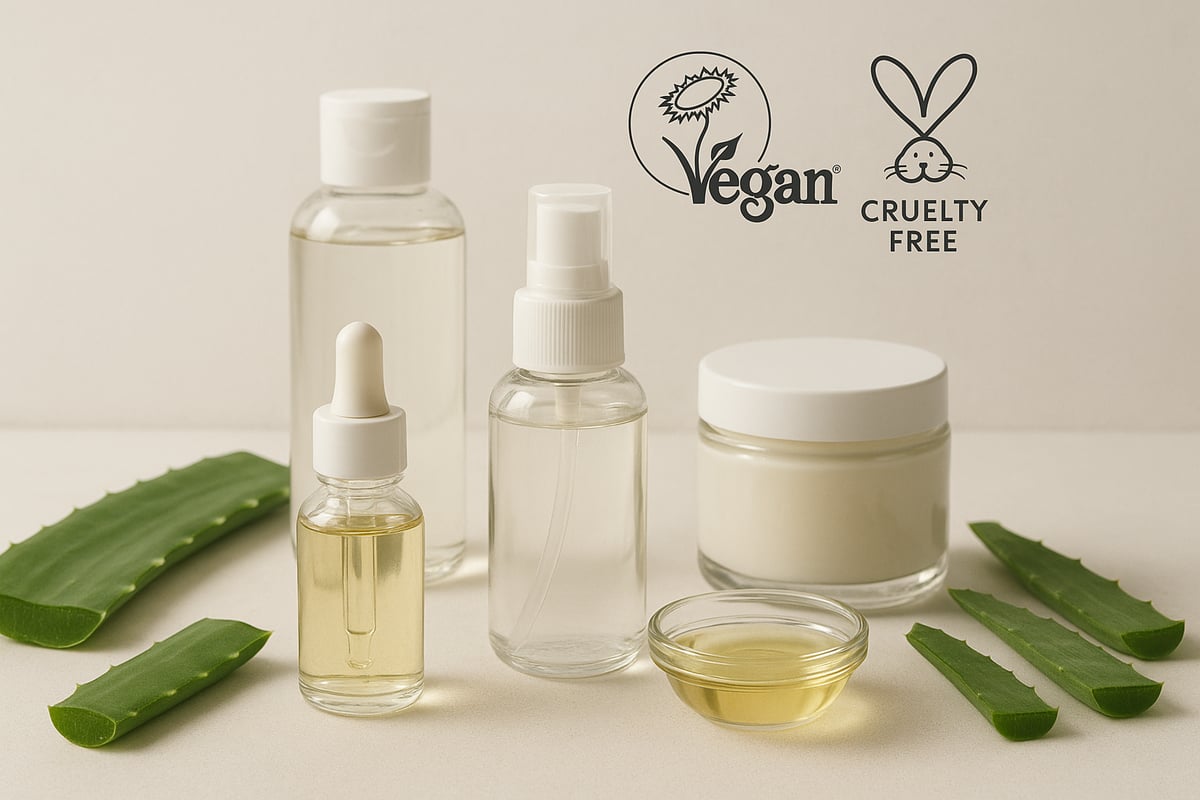
Vegan skincare refers to cosmetic products without animal-derived ingredients or byproducts such as honey, lanolin, or carmine. This approach differs from natural or organic, as a vegan product may contain synthetic ingredients if they are not derived from animals. It should also not be confused with cruelty-free, which means no animal testing, but not necessarily no animal-derived ingredients. Here are some examples of ingredients to avoid:
| Ingredient to avoid | Origin |
|---|---|
| Honey | Bees |
| Lanolin | Sheep's wool |
| Carmine | Cochineals |
| Animal collagen | Animal tissues |
To learn more, check out this detailed Vegan skincare guide that clarifies the differences and challenges. Between 2021 and 2025, the number of vegan product launches jumped by 23% in Europe, demonstrating a real surge in interest.
Why choose vegan skincare?
Adopting vegan skincare means choosing beauty that respects animals and the environment. Formulas free of ingredients derived from animal exploitation reflect a strong ethical approach. This choice also limits your carbon footprint, as animal production consumes more natural resources.
Vegan skincare is often suitable for sensitive skin because it avoids certain common allergens. According to an Ecco Verde study, 60% of customers now prefer this type of product. Pioneering brands, committed to eco-design and transparency, are leading the way towards more responsible beauty.
Certifications and labels you should know
To ensure a product meets vegan skincare criteria, it's essential to look for certain reliable labels. The best-known are:
- Vegan Society
- Cruelty Free International
- Ecocert Cosmos Vegan
Verifying the authenticity of a label helps avoid the pitfalls of greenwashing. Always examine the INCI list and prioritize transparency. Consumers are sensitive to these commitments: labeled products see a 40% increase in sales, according to Ecco Verde. A careful look at the packaging and ingredients will guide you toward safe and ethical choices.
Limitations and misconceptions about vegan skincare
Be aware that vegan skincare isn't necessarily organic or completely natural. It may contain some synthetic ingredients, as long as they aren't animal-derived. Vegan skincare products now offer performance comparable to conventional products, but it's important to remain vigilant against greenwashing.
There is also confusion between the terms: 35% of consumers mix up vegan and cruelty-free, according to a 2025 study. Keep in mind that choosing vegan skincare means being informed and paying attention to the quality of the formulas to fully enjoy its benefits.
The Benefits of Vegan Skincare for Skin and the Environment
Adopting vegan skincare is much more than just a beauty choice. It's a gentle revolution for the skin, the planet, and our overall well-being. In 2026, more and more people are discovering the many benefits of this approach, which combines effectiveness, ethics, and respect for health. Let's explore together why vegan skincare is so appealing and how it's positively transforming our routines and our environment.
Benefits for the skin
Vegan skincare offers gentler formulas, ideal for sensitive or reactive skin. The absence of lanolin, beeswax, or carmine significantly reduces the risk of allergies and irritation. Many users notice a marked improvement in their skin's comfort after incorporating vegan products into their routine.
Vegan products are packed with powerful plant-based ingredients such as plant-derived hyaluronic acid, jojoba oil, and aloe vera. According to customer reviews, vegan moisturizers receive a 4.5/5 satisfaction rating. Furthermore, 70% of users report feeling their skin is softer and soothed.
To better understand these benefits, discover why and how to switch to natural and vegan cosmetics , an article that details the positive impact on the skin.
Environmental and ethical benefits
Choosing vegan skincare is also a way to take action for the planet. Vegan products require fewer animal resources, which reduces the carbon footprint and soil and water pollution. For example, producing 1 kg of beeswax involves the effort of 20,000 bees—a figure that gives pause for thought.
Furthermore, eco-responsible design is often highlighted: recyclable packaging, biodegradable formulas, and waste reduction. By prioritizing vegan skincare, we contribute to preserving biodiversity and encouraging ethical and sustainable practices in the cosmetics industry.
Impact on overall health
Vegan skincare is also appealing because of its minimalist formulas, often free of endocrine disruptors or controversial substances such as certain parabens or silicones of animal origin. This approach limits exposure to allergens and promotes better tolerance for everyone, including pregnant women and children.
It is estimated that one in three people suffers from skin reactions to conventional cosmetics. By choosing vegan skincare, you offer your skin a healthier routine, adapted to the needs of atopic, allergic, or sensitive skin. Vegan routines are therefore suitable for the whole family, for shared well-being.
Testimonials and case studies
The testimonials are unanimous: many customers notice a visible improvement in their skin after switching to vegan skincare. Clinical studies demonstrate that the effectiveness of vegan skincare rivals, or even surpasses, that of conventional products in terms of hydration and skin radiance.
Over 80% of users remain loyal to vegan skincare ranges after six months of use. Dermatologists also applaud this trend, highlighting the high skin tolerance and lasting benefits. This feedback confirms that vegan skincare is not just a passing fad, but a solid solution for healthy skin and a responsible lifestyle.
How to Build an Effective Vegan Skincare Routine in 2026
Adopting a vegan skincare routine in 2026 is much more than simply choosing products: it's a conscious approach that combines effectiveness, ethics, and respect for your skin. To guide you step by step, we've designed a 6-step method, adaptable to all skin types and needs. Ready to transform your routine? Follow us!
Step 1: Decipher the INCI lists and choose your products
Understanding the composition of your products is the starting point for a successful vegan skincare routine. The INCI is the official list of ingredients found on every package. To stay true to vegan skincare ethics, avoid honey, lanolin, carmine, or animal collagen. Opt instead for plant-based active ingredients such as hyaluronic acid, aloe vera, or jojoba oil.
Use apps like INCI Beauty or Clean Beauty to quickly scan your cosmetics. These tools help you identify non-vegan ingredients and avoid greenwashing, which is increasingly common in the market. A word of advice: be wary of vague or overly marketing-oriented names, and always check for an official label.
According to recent studies, 60% of consumers use an app to check the ingredients in their skincare products. This highlights the importance of information and transparency in the world of vegan skincare today.
Step 2: Vegan cleansing and makeup removal
Cleansing is the first essential step in any vegan skincare routine. It removes impurities, excess oil, and makeup residue without irritating the skin. Opt for vegan micellar waters and plant-based cleansing gels, free of sulfates and harsh surfactants.
For sensitive skin, choose gentle cleansing bases, such as those with chamomile or aloe vera extracts. Incorporate this step morning and night: it's the key to healthy, radiant skin. Vegan skincare cleansers are increasingly popular: sales have increased by 35% since 2023 according to Ecco Verde, proving that their effectiveness and gentleness meet expectations.
Remember to rinse thoroughly with lukewarm water and gently dry your face. Clean skin absorbs subsequent skincare products better and minimizes blemishes.
Step 3: Hydration and nutrition
Hydrating and nourishing your skin are two complementary steps in a vegan skincare routine. Hydration maintains moisture levels, while nourishment provides essential lipids. Vegan creams and serums often incorporate plant-based hyaluronic acid, organic oils (argan, jojoba, hemp), and plant-based butters.
Choose textures suited to your skin type: gel for oily skin, rich cream for dry skin, light emulsion for combination skin. Award-winning products, such as Avant Skincare's Hyaluronic Acid Antioxidant Supreme Cream, exemplify the advancements in vegan skincare.
An Ecco Verde study indicates that 80% of users notice improved hydration after a few weeks. Remember to apply your skincare products to slightly damp skin to boost their effectiveness.
Step 4: Targeted treatments (serums, masks, exfoliants)
To address specific needs, incorporate targeted treatments into your vegan skincare routine. Antioxidant, anti-aging, or anti-blemish serums are invaluable allies. Opt for formulas based on fruit extracts, plant enzymes, or natural clays.
Weekly clay, charcoal, or papaya enzyme masks offer a real boost of radiance. Exfoliation should remain gentle: once or twice a week is enough to avoid irritating the skin, especially with powerful active ingredients.
According to a recent study, 67% of consumers incorporate at least one targeted vegan skincare product into their routine, proof of the growing popularity of these high-performance and skin-friendly products.
Step 5: Sun protection and additional care
Sun protection is an often-neglected pillar of vegan skincare routines. Opt for vegan sunscreens with mineral filters, free from animal nanoparticles. They protect against UV rays while respecting the planet. Apply every morning, even in winter, to prevent skin aging.
Complete your routine with vegan skincare for sensitive areas: eye contour cream, lip balm, or hair care products. Choose textures suited to each season to keep your skin comfortable all year round.
Sales of vegan skincare sunscreens jumped by 50% between 2024 and 2026, proof that environmental awareness and effectiveness now go hand in hand in our beauty routines.
Step 6: Adapt your routine according to your skin type
An effective vegan skincare routine should be tailored to each individual's skin type. For oily skin, prioritize lightweight gels and purifying ingredients like tea tree oil. For dry skin, opt for rich creams and nourishing oils. Sensitive skin will appreciate aloe vera and chamomile, while mature skin will benefit from antioxidants and precious oils.
Don't hesitate to take an online skin analysis or consult an expert to personalize your routine. 45% of consumers are now looking for a vegan skincare routine tailored to their needs. Adjust your skincare according to the seasons: richer in winter, lighter in summer to meet your skin's changing requirements.
Minimalist and Effective Skincare with basic.
If you're looking for a simple, effective, and responsible vegan skincare routine, basic. is a Swiss brand worth discovering. Their philosophy? Fewer ingredients, greater effectiveness, and complete transparency. Their flagship products, such as the natural balm deodorant and the natural radiance facial routines, have already won over more than 1,000 customers, who have given them a 9.4/10 rating.
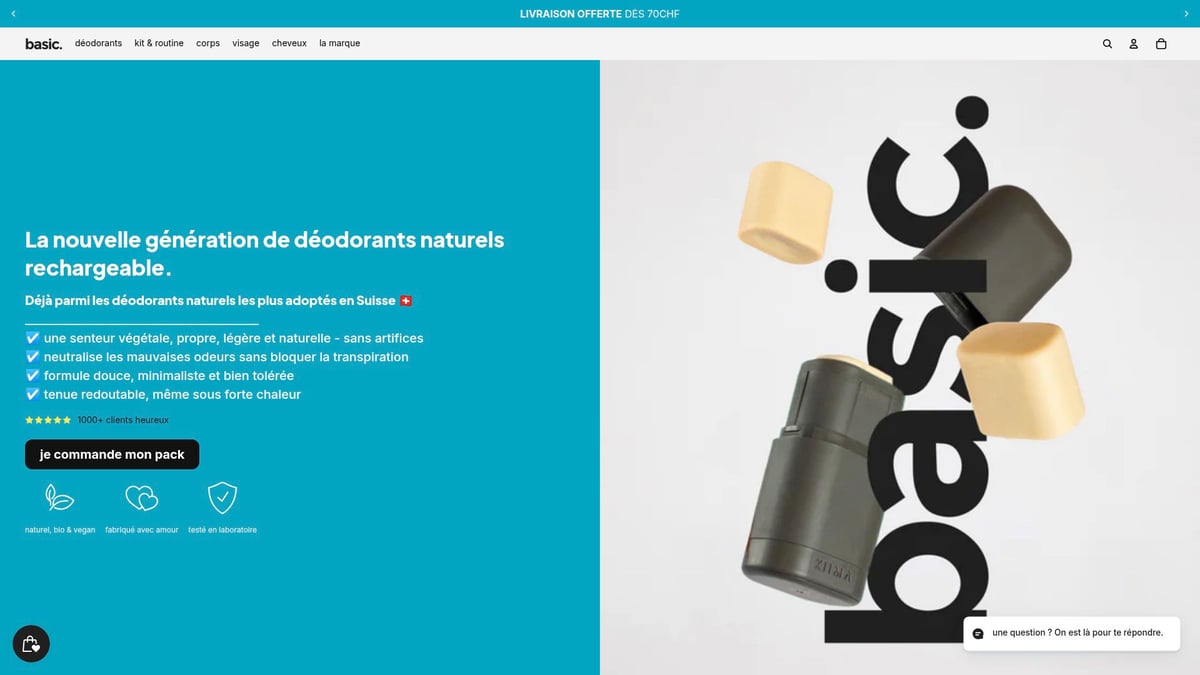
Basic. is committed to the environment: zero plastic, recyclable packaging, local production in Lausanne. The formulas are suitable for all skin types, even the most sensitive, and are ideal for those who want to combine ethics, effectiveness, and simplicity.
To go further, discover 10 tips for eco-friendly beauty routine to make your vegan skincare routine even more sustainable on a daily basis.
The Star Ingredients and Ingredients to Avoid in Vegan Skincare
Finding the right ingredients in vegan skincare can transform anyone's beauty routine. Knowing how to distinguish between star actives, ingredients to avoid, and innovations allows you to optimize both the effectiveness and tolerance of your skincare products. Ready to become an expert on the subject?
Star ingredients of plant origin
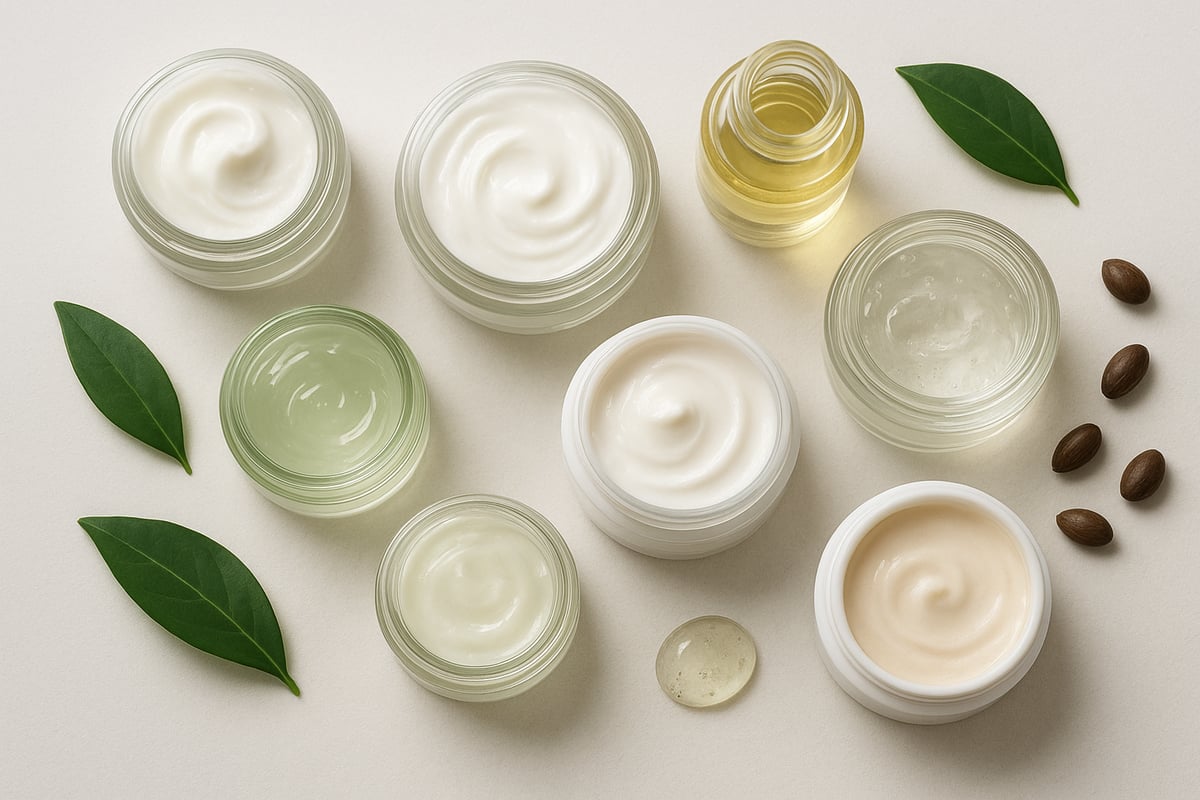
Vegan skincare relies on powerful and versatile plant-based active ingredients. At the forefront, plant-based hyaluronic acid guarantees deep hydration and plumped skin. Plant oils like jojoba, argan, and hemp nourish, repair, and protect the epidermis while respecting nature. Plant extracts such as aloe vera, chamomile, and green tea provide soothing properties and antioxidants, ideal for boosting radiance.
Plant-based butters, such as shea or cocoa, enhance elasticity and protect the skin barrier. Natural vitamins (C, E, B5) from fruits or seeds provide essential antioxidant protection. To learn more about the role of oils in vegan skincare, discover the best plant-based oils for the skin .
Ingredients to absolutely avoid
In vegan skincare, certain ingredients are off-limits. Honey, beeswax, lanolin (derived from wool), animal collagen, and carmine (a red pigment extracted from cochineal insects) are absolutely forbidden. Dairy derivatives and silk are also prohibited because they come from animals. Beware of misleading terms such as "milk proteins" or "silk hydrolysate," which are hidden in the INCI list.
Beyond the ethical concerns, these ingredients can cause allergies or irritations, especially on sensitive skin. In fact, 25% of consumers discover the presence of hidden animal-derived ingredients when analyzing the INCI list of their vegan skincare products. Therefore, carefully reading every label is essential.
Innovative vegan alternatives
Innovation in vegan skincare now makes it possible to replace almost all animal-derived ingredients with plant-based or biotechnological alternatives. Plant collagen, obtained through yeast fermentation, offers plumping properties similar to its animal counterpart. Squalane, extracted from olives or sugar cane, hydrates and protects without any animal impact.
Plant-based waxes (candelilla, carnauba) are excellent alternatives to beeswax in balms and sticks. Plant-derived probiotics and prebiotics strengthen the skin's flora and natural defenses. Many award-winning products already incorporate these alternatives, making vegan skincare a high-performing and eco-friendly option.
Focus on tolerance and efficacy
Vegan skincare is distinguished by superior skin tolerance and fewer adverse reactions. Clinical studies show that vegan active ingredients are as effective, or even more so, than their conventional counterparts. User feedback speaks for itself: vegan moisturizers, deodorants, and serums receive excellent ratings in terms of efficacy and comfort.
90% of vegan skincare enthusiasts recommend this approach to their friends and family. To fully benefit from the advantages, it's advisable to test each new product with a patch test and gradually introduce them into your routine. This precaution promotes a smooth transition to healthier and more ethical beauty.
Vegan Skincare Trends and Innovations 2026
The vegan skincare sector is undergoing unprecedented evolution in 2026. Consumers are seeking simpler routines, innovative products, and greater ethical transparency. Let's explore how these trends are transforming our beauty habits and shaping the future of our skin.
Rise of minimalism and “skinimalism”
Minimalism is taking hold in the world of vegan skincare. Short routines are gaining popularity, focusing on three essential steps: cleanse, moisturize, protect. This return to basics appeals to those who want to limit overconsumption and reduce their environmental impact. Multifunctional kits are gaining ground, responding to a growing demand for effective, simple, and economical solutions.
According to Vegan Cosmetics Market Growth , the global vegan skincare market is expected to reach record highs by 2032, demonstrating the growing enthusiasm for this approach. This trend promotes healthier skin, less exposed to unnecessary ingredients, while also adopting a more environmentally friendly approach.
New technologies and formulations
Scientific innovation is propelling vegan skincare to new heights. Brands are investing in plant biotechnology, using fermentation and stem cells to create potent active ingredients. Textures are evolving, with lightweight gel-creams, dry oils, and concentrated serums that offer both comfort and effectiveness.
Packaging is also following this trend: refills, recycled materials, and smart packaging are reducing the environmental footprint. To learn more about these revolutions, see Skincare Trends in 2024 , which highlights the integration of technology in the vegan skincare sector. Innovation is making beauty more effective, accessible, and sustainable.
Personalization and digital diagnostics
Personalization is at the heart of tomorrow's vegan skincare. Thanks to digital tools, everyone can diagnose their skin and get a customized routine in just a few clicks. Algorithms and artificial intelligence analyze skin needs and recommend products suited to each individual profile.
Leading platforms offer virtual analyses, allowing users to adjust their routine according to the season, age, or specific concerns. This personalized approach optimizes the effectiveness of skincare and reduces waste. Vegan skincare is suitable for everyone, providing a unique experience and maximum comfort, while boosting confidence in beauty choices.
Ethical and community commitments
Ethical commitment is intensifying in the world of vegan skincare. Brands are focusing on transparency, traceability, and local production. Zero-waste initiatives, such as returnable or recyclable packaging, are appealing to a community increasingly attentive to environmental impact.
Support groups and influencers share their routines, fostering a spirit of mutual support and loyalty. Awareness campaigns, such as Vegan Month and Green Friday, strengthen collective engagement. This community dynamic contributes to increased loyalty, as vegan skincare becomes a true lifestyle, embodying shared values and well-being.
After discovering all the benefits of vegan skincare and our tips for a minimalist yet effective routine, why not take action together? We all know that adopting more natural and respectful skincare is also about taking care of yourself while doing something good for the planet. At basic., each product is designed to give your skin the best without any unnecessary ingredients, and you can feel it every day. If you want to start simply, I recommend trying their natural balm deodorant: effective, gentle, and 100% vegan. Ready to take the plunge ? Try it now!