


Complete Guide to Vegan Skin Care in 2026
Let's embrace vegan skincare together! Discover our complete 2026 guide for an ethical and effective routine. Product tips and trends you won't want to miss.

Vegan skincare is experiencing a meteoric rise and is poised to become the major beauty revolution of 2026. Are you wondering how to adopt a routine that is gentle on your skin, ethical towards animals and respectful of the planet?
In this comprehensive guide, we walk you through everything you need to know about vegan skincare. Definitions, principles, key ingredients, the ideal routine, trusted labels, leading trends, and personalized advice—everything you need to make the best choices and successfully transition to healthy, ethical, and responsible beauty is here.
Understanding Vegan Skin Care: Definitions and Principles
Adopting vegan skincare is more than just a trend. It's a conscious choice for our skin, animals, and the planet. But what exactly is it, and how do we navigate the jungle of labels and certifications? Let's explore the basics together to make informed and ethical choices.
What is vegan skin care?
Vegan skincare refers to all skincare products formulated without any ingredients of animal origin. Unlike the cruelty-free label, which guarantees the absence of animal testing, vegan skincare also excludes all animal-derived components.
This philosophy is reflected in many products: moisturizers, serums, masks, makeup removers, and lotions. According to Plant Shift, demand for vegan skincare products has exploded since 2020, driven by a growing ethical and environmental awareness.
Choosing this approach means respecting animal life while reducing one's ecological impact.
Why choose vegan skincare?
Choosing a vegan skincare routine means offering your skin formulas that are often gentler and more natural. The selected ingredients are generally less likely to cause allergies or irritations, which is a real plus for sensitive skin.
The environmental impact is also reduced, as animal exploitation is limited, as is the carbon footprint. The rise of veganism is observed in all sectors, and beauty is no exception. Consumers are increasingly satisfied: according to basic., the recommendation rate reaches 9.4/10.
This responsible choice allows you to take care of yourself while respecting the planet.
Animal-derived ingredients to avoid
In vegan skincare, it's essential to identify and avoid certain ingredients of animal origin. Among the most common are:
- Collagen
- Lanolin
- Beeswax
- Carmine (red pigment)
- Guanine (derived from fish scales)
- Keratin
These ingredients can cause allergies or not align with vegan skincare ethics. Fortunately, there are many plant-based alternatives: plant-derived hyaluronic acid, jojoba, argan, or avocado oils.
Make it a habit to read labels carefully to make choices that align with your values.
Labels and certifications you should know
To help you navigate the options, several reliable labels exist for vegan skincare: Vegan Society, PETA Vegan, and Ecocert COSMOS ORGANIC. These certifications guarantee the absence of animal-derived ingredients and environmentally friendly processes.
Note that a vegan label is not always synonymous with cruelty-free, and vice versa. Pioneering brands like Avant Skincare, elf, and basic. display these labels on their products.
To learn more about the differences and how to recognize reliable labels, see Labels and Certifications for Organic Cosmetics . The number of certified brands continues to grow, demonstrating a real shift in the industry.
Key Ingredients for Vegan Skin Care in 2026
By 2026, vegan skincare is poised to become the norm, thanks to innovative and natural formulations. Consumers are prioritizing ethical, effective, and eco-friendly routines. Let's explore the ingredients that make the difference and the trends to follow for radiant skin, without compromise.
The most effective natural active ingredients
The star ingredients of vegan skincare in 2026 are derived from nature. They include plant-based hyaluronic acid, known for its intense hydrating properties. Aloe vera soothes and regenerates, while plant oils like jojoba, argan, and avocado deeply nourish the skin.
Brands like Avant Skincare and Plantopia offer formulas where these active ingredients are at the heart of every product. User feedback and clinical studies highlight their effectiveness for radiance and skin repair. Choosing these ingredients guarantees visible results while respecting the ethics of vegan skincare.
Superfoods and innovative botanical extracts
By 2026, superfoods will revolutionize vegan skincare. Spirulina, matcha, moringa, and seaweed will enrich routines with their antioxidant and revitalizing properties. This rise in adaptogenic extracts will result in anti-aging and energy-boosting skincare products.
Products like those from Heavenly Organics and MuLondon rely on these superfoods to offer a unique sensory experience. Between 2025 and 2026, more than 30% of new product launches will include these ingredients. They embody the new wave of vegan skincare, both innovative and nature-focused.
Controversial ingredients or ingredients to avoid
Certain substances are now excluded from modern vegan skincare. Silicones, parabens, sulfates, and microplastics pose risks to the skin and the environment. Furthermore, they are incompatible with an ethical approach.
Instead, opt for natural alternatives: plant oils, fruit acids, clay, or plant powders. Understanding INCI lists is essential to avoid undesirable ingredients. To explore products free of these components, discover the Vegan Facial Care Collection , which features safe and effective formulas.
Focus on eco-friendly packaging and composition
Vegan skincare in 2026 goes beyond formulas. Eco-friendly packaging has become a key criterion: glass jars, refill systems, and recyclable materials are favored. Brands like basic. and Avant Skincare are innovating with minimalist, zero-waste packaging.
This consistency between content and packaging reduces the carbon footprint and meets consumer expectations. Today, 60% of us choose skincare products with eco-designed packaging. Adopting vegan skincare is also a way to take action for the planet, from the choice of active ingredients to the final packaging.
Vegan Skin Care Routine: Key Steps and Tips 2026
Adopting a vegan skincare routine in 2026 means choosing beauty that respects your skin, animals, and the planet. We'll guide you step by step, so your ritual becomes as effective as it is ethical. Ready to transform your routine and glow naturally?
Cleaning: the first essential step
Cleansing is the essential foundation of any vegan skincare routine. Gentle cleansing, free from sulfates and harsh soaps, preserves the balance of the skin's microbiome. Opt for an aloe vera cleansing gel or a vegan micellar water, perfect for removing impurities and traces of makeup without irritating the skin.
Here are some tips for properly cleansing your face:
- Use lukewarm water and massage gently in circular motions.
- Opt for certified vegan and fragrance-free formulas.
- Clean morning and evening, but avoid rubbing too hard.
Products like those from Avant Skincare or elf are ideal for starting out. Proper cleansing prepares the skin to receive subsequent treatments, without irritation or tightness.
Exfoliation and masks: boosting radiance naturally
Exfoliation and masks are essential for revealing your skin's radiance in a vegan skincare routine. Opt for enzymatic or plant-based exfoliants, derived from fruit seeds or sugar, to gently remove dead skin cells.
Clay masks, masks made with superfoods or activated charcoal, provide an immediate cooling effect. Exfoliate once or twice a week to avoid irritating the skin.
Some product ideas:
- Heavenly Organics natural scrubs
- Noughty Revitalizing Masks
Avoid plastic microbeads, which are harmful to the environment. These regular actions promote refined skin texture and a radiant complexion.
Hydration and nutrition: the heart of the routine
Hydration is the cornerstone of vegan skincare. From plant-based hyaluronic acid serums and dry jojoba or avocado oils to creams with shea or mango butters, each texture addresses a specific skin need.
Depending on your skin type:
- For dry skin: opt for rich and nourishing creams.
- Combination to oily skin: opt for light gels and non-comedogenic oils.
- Sensitive: opt for minimalist formulas.
Tip: Layer a hydrating serum and then a cream to reinforce the barrier effect. Plantopia and MuLondon routines are known for their effectiveness and gentleness, with no animal-derived ingredients.
Protection and repair: anti-aging and skin barrier
Protecting and repairing your skin is crucial in a vegan skincare routine. Natural antioxidants, such as vitamins C and E or botanical extracts, fight oxidative stress and prevent premature aging.
Incorporate into your routine:
- A vegan eye contour treatment to reduce puffiness and wrinkles.
- A regenerating night cream with plant-based active ingredients.
Avant Skincare and elf formulas strengthen the skin barrier while respecting vegan ethics. Remember to apply these products every night to optimize cell repair and maintain supple, radiant skin.
Specifics according to skin type
Adapting your vegan skincare routine to your skin type maximizes results. Sensitive skin? Choose short formulas, free of fragrance and alcohol. Combination or oily skin? Opt for fresh gels and non-comedogenic oils. Mature skin? Prioritize anti-aging ingredients and rich oils.
To go further, take a personalized diagnosis with the Discover Your Vegan Skin Type quiz. This tailored approach helps you avoid purchasing mistakes and boosts the effectiveness of your routine.
Tip: Regularly reassess your needs; skin changes according to the season, age, and lifestyle. Taking care of yourself also means listening to your body!
Application tips and mistakes to avoid
Order and consistency are key to an effective vegan skincare routine. Always start with cleanser, then serum, cream, and finally sunscreen if needed. Use only the recommended amounts; a small dab is often enough.
To avoid:
- Overdosing on powerful active ingredients (acids, retinoids)
- Mixing incompatible ingredients
- Forget about patch testing before a new product
Be patient, results take time to appear. If you have any doubts or experience any reaction, space out the applications and consult a professional.
basic. : The Swiss Example of Minimalist Vegan Cosmetics
The brand basic. embodies the spirit of vegan skincare with its short, transparent formulas, certified vegan and organic. Their natural deodorants and aloe vera facial routines are praised for their gentleness and effectiveness, especially on sensitive skin.
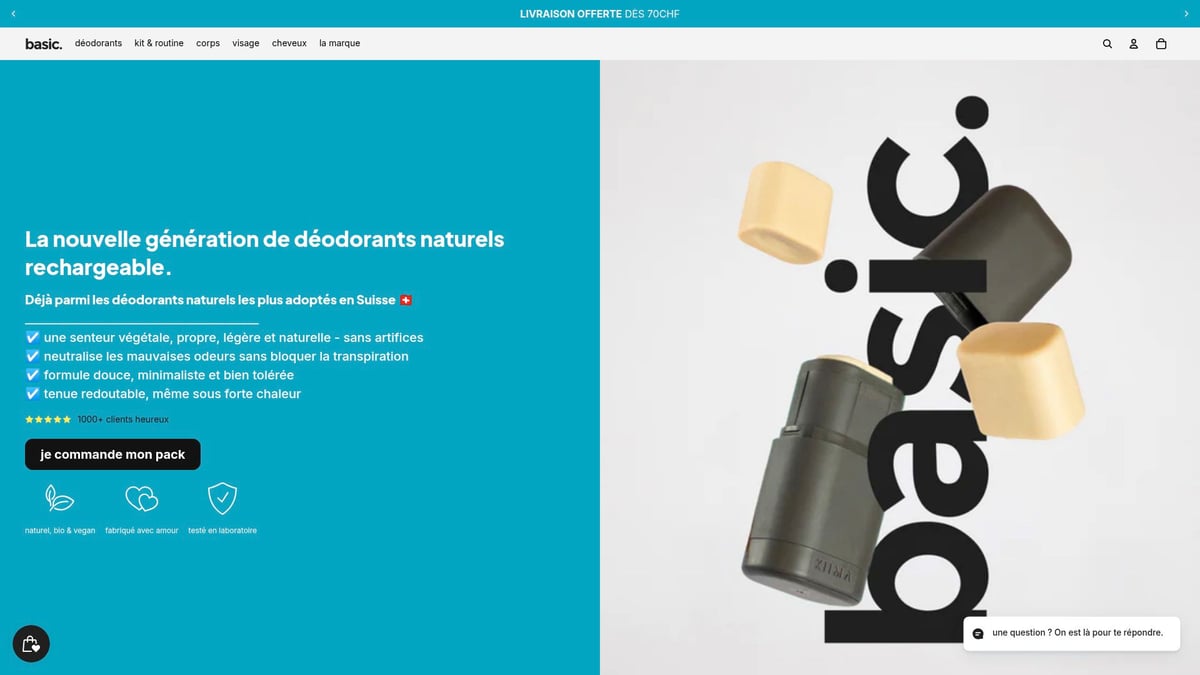
Basic. stands out for its strong commitments: zero waste, recyclable packaging, container returns, and responsible promotions. More than 1,000 satisfied customers attest to a positive experience, with an average rating of 9.4 out of 10.
Choosing basic. means opting for minimalist, local and committed beauty, with complete confidence.
Essential Vegan Brands, Labels and Product Selection
The world of vegan skincare is experiencing a real boom in 2026. More and more consumers are seeking skincare products that respect their skin, animals, and the planet. Let's explore together the leading brands, labels, and products that are making a difference today.
Overview of the best vegan skincare brands in 2026
The vegan skincare landscape has been enriched by key players. Among them, Avant Skincare offers a certified vegan range, while elf impresses with its affordable and 100% vegan innovations. Plantopia, MuLondon, and Heavenly Organics prioritize handcrafted and natural formulas. Noughty stands out for its hydrating and soothing skincare.
This explosion in supply is based on growing demand, as shown by the growth of the vegan cosmetics market, which anticipates continued growth until 2030. Adopting vegan skin care means joining a global movement, driven by brands committed at all levels.
Focus on trust labels
To choose a vegan skincare product with complete peace of mind, labels are invaluable allies. The most recognized are the Vegan Society, PETA Vegan, and Ecocert COSMOS ORGANIC. These certifications guarantee the total absence of ingredients of animal origin and, often, the absence of animal testing.
It's essential to distinguish between vegan and cruelty-free labels: a cruelty-free product isn't necessarily vegan. Always check for the official logo on the packaging and consult lists of certified brands. Independent labels guarantee transparency and trustworthiness.
Product selection by category
The vegan skincare range now covers all your beauty routine needs. Here's an overview of the must-haves by category:
- Cleansers: micellar waters, gentle gels (Avant Skincare, elf)
- Serums and oils: hyaluronic acid, plant oils (Plantopia, MuLondon)
- Moisturizing creams: plant-based butters (Noughty, Heavenly Organics)
- Exfoliants and masks: natural scrubs, superfood masks
- Lip balms, targeted treatments: for a complete routine
Each category corresponds to a key step in vegan skin care, allowing you to adapt your routine according to your needs.
Examples of use and feedback
Users of vegan skincare often share very positive reviews. Many appreciate the light texture and rapid absorption of the products, without leaving a greasy residue. Routines for dry skin focus on rich creams and hydrating serums, while combination skin opts for lightweight gels.
Testimonials gathered on Plant Shift or via elf and Noughty reviews highlight the effectiveness and tolerability of the formulas. The key is to listen to your skin and choose products suited to its specific needs.
Where to buy and how to avoid the pitfalls
To find authentic vegan skincare products, opt for specialist shops, official online stores, or natural pharmacies. Before buying, check the ingredients and the presence of relevant labels on the packaging.
Beware of products claiming to be vegan when they aren't: some still contain hidden animal-derived ingredients. Read customer reviews, ask for samples, and choose brands that are transparent about the origin of their ingredients and their manufacturing process.
Trends and Innovations in Vegan Skin Care in 2026
The world of vegan skincare is evolving rapidly in 2026. Brands are redoubling their efforts to offer skincare that is effective, responsible, and suitable for everyone. What trends and innovations are transforming our routines and our relationship with vegan beauty this year? Let's explore these new waves shaping the future of ethical cosmetics.
Form and technological innovations
By 2026, vegan skincare is betting on plant biotechnology. Laboratories are using fermentation and plant stem cell extracts to boost the effectiveness of skincare products. Innovative textures, such as gel-to-oils and solid balms, are appealing for their sensory appeal and practicality. For example, Avant Skincare and basic. offer multifunctional formulas that adapt to all lifestyles.
Recent studies show a growth of over 40% in textural innovations between 2024 and 2026. These advances deliver visible results while respecting vegan skincare ethics. Consumers thus benefit from high-performance skincare that is pleasant to use and more respectful of their health and the environment.
The rise of minimalism and “slow beauty”
Minimalism is becoming a cornerstone of vegan skincare by 2026. Routines are becoming shorter, with only two or three essential products, carefully selected for their effectiveness and purity. These streamlined formulas, free of unnecessary ingredients, limit the risk of allergies and reduce environmental impact.
Brands like basic. exemplify this movement with concentrated skincare products that are easy to incorporate into your daily routine. Slow beauty encourages you to slow down, listen to your skin, and prioritize quality over quantity. This trend saves time, simplifies your routine, and reinforces the ethical consistency of vegan skincare.
Focus on personalization and inclusivity
Personalization is emerging as a key trend in vegan skincare. Online skin diagnostics and tailored advice allow brands to meet the unique needs of each user. Brands like elf and Plantopia are developing inclusive ranges designed for all skin types and tones.
This approach makes personalized skincare more accessible, regardless of budget or skin type. Studies show that 70% of consumers now seek products that can be precisely tailored to their skin. Vegan skincare is thus becoming more accessible, universal, and empowering for everyone.
Strengthened ethical and eco-responsible commitments
Ethics and eco-responsibility are at the heart of vegan skincare in 2026. Brands are committing to zero waste, offering refillable packaging, and prioritizing local production. Transparency regarding ingredients and the supply chain is becoming a decisive factor. Innovative campaigns, such as container returns or donations to charities, reinforce this commitment.
To learn more, discover the ethical commitments of basic. , a Swiss pioneer in responsible vegan skincare. These initiatives demonstrate that vegan cosmetics are no longer just a trend, but a true driver of global change, for the planet and for all of us.
Practical Tips for a Successful Transition to Vegan Skin Care
Switching to vegan skincare can seem daunting at first, but with a few tips, the transition becomes simple and enjoyable. Whether you're a beginner or already committed to veganism, every step counts towards a more ethical and skin-friendly routine.
How to get started: key steps for a successful transition
To begin your transition to vegan skincare, start by taking stock of your current products. Identify those that contain animal-derived ingredients, such as beeswax or collagen. Eliminate them gradually, replacing one product at a time to avoid waste.
Research reliable vegan labels and certifications to make informed choices. Ideally, start with the basics: cleanser, moisturizer, and deodorant. Go at your own pace, without pressure. For detailed advice, consult this guide , "Eco-Friendly Daily Beauty Routine," which offers practical tips for adopting a vegan skincare approach every day.
Adapting your routine to your needs and budget
Everyone has different needs when it comes to vegan skincare. Start by defining your priorities: are you mainly looking for hydration, radiance, or a soothing effect? Opt for multi-purpose products that allow you to optimize your budget while respecting your skin.
Try out discovery kits or travel sizes to assess effectiveness before investing in full-size products. Buy only the essentials to avoid clutter. This minimalist approach is ideal for an effective and affordable vegan skincare routine.
Managing skin reactions and adaptation
When adopting a new vegan skincare routine, your skin may react temporarily. This is normal: it can sometimes take two to three weeks for the skin to adapt. To minimize the risk, always do a patch test before applying a new product to your entire face.
Adjust the frequency of use according to your skin's reactions. If you have any doubts or experience persistent redness, don't hesitate to consult a dermatologist. Many users report improvement after the initial adjustment period to vegan skincare.
Learn about and stay up-to-date on vegan skincare
The vegan skincare sector is constantly evolving. To stay informed, follow specialized blogs, subscribe to newsletters from committed brands, and participate in workshops or webinars. Customer reviews and forums are also excellent sources for discovering new and reliable products.
Stay informed about innovations and new certifications. Consider subscribing to vegan label updates to stay informed about developments in vegan skincare and always choose the best for your skin.
After exploring the basics of vegan skincare, the ingredients to prioritize, and the importance of minimalist routines, you're probably wondering where to actually begin. We all want effective, healthy, and eco-friendly skincare, right? If you want to take the first step towards a clean and ethical routine, why not try one of Basic's flagship products? Their natural balm deodorant is a great example of vegan, minimalist, and incredibly gentle cosmetics. Ready to get started? We encourage you to try it now !