


Deodorant and antiperspirant vs: Which Solution to Choose in 2026?
Deodorant and antiperspirant: Discover with us their differences, effectiveness, safety, and new features to confidently choose the ideal solution for 2026.

In 2026, choosing the right deodorant and antiperspirant has become a real headache. Between new formulas, contradictory information, and growing expectations, it has never been so difficult to find your way around.
Deodorant and antiperspirant are often confused, but they don't work in the same way. One aims to mask or neutralize odors, while the other directly targets perspiration. But which one is right for you?
Our goal: to help you make the most suitable choice, taking into account your health, your daily needs and your personal values.
In this article, we will clarify the differences, explore how they work, compare their effectiveness and security, decipher the trends for 2026 and give you concrete criteria to choose with peace of mind.
Ready to unveil the secret to the deodorant and antiperspirant duo? Follow us and finally find the solution that truly suits you.
Deodorant vs. Antiperspirant: Definitions and Functions
Choosing between deodorant and antiperspirant may seem simple, but their differences are often misunderstood. Let's clarify their roles to better guide your daily choices. You'll see, understanding these two solutions is already a step towards greater comfort and confidence.
What is a deodorant?
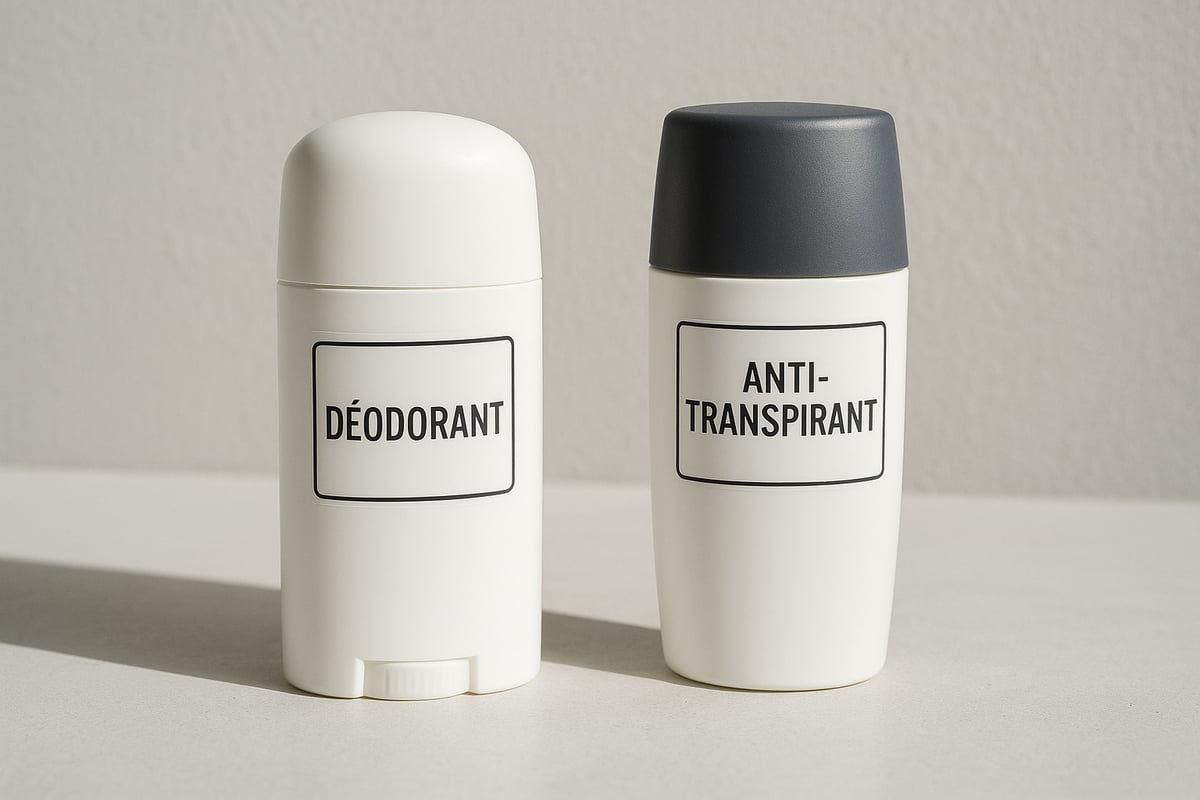
A deodorant is a hygiene product designed to neutralize body odor without affecting the amount of perspiration produced. Therefore, deodorant and antiperspirant do not have the same purpose, even though they are often confused.
Deodorants work primarily by masking or absorbing odors using ingredients such as baking soda, essential oils, or alcohol. Their popularity continues to grow, particularly due to the rise of natural formulas, often praised for their gentleness.
In France, deodorant use is part of the daily routine for more than 90% of adults, according to the latest European studies. This habit is explained by the need for freshness and comfort, especially during the summer months.
What is an antiperspirant?
Antiperspirant, on the other hand, is designed to limit or block perspiration. Unlike conventional deodorants and antiperspirants, it acts directly on the sweat glands thanks to aluminum salts, the main active ingredients in this type of product.
These salts form a temporary barrier on the surface of the pores, thus reducing the amount of sweat released. Other components such as water, moisturizing agents, and sometimes fragrances for comfort are also found.
Today, nearly 70% of European consumers use an antiperspirant, especially in situations where excessive sweating is bothersome, such as during sports activities or work-related stress.
Key differences between deodorant and antiperspirant
It is essential to distinguish the objectives of each solution. Deodorant and antiperspirant differ in several ways:
| Criteria | Deodorant | Antiperspirant |
|---|---|---|
| Objective | Neutralizes odors | Reduces perspiration |
| Duration of action | 6 to 12 hours depending on the formula | Up to 48 hours for some |
| Skin sensitivity | Often better tolerated | May irritate sensitive skin |
| Regulation 2026 | Organic and vegan labels are common. | Control of aluminum salts |
In everyday life, deodorant will suffice for a day at the office, while antiperspirant is preferable before a workout or a stressful event. To learn more about this topic, check out this detailed guide on the differences between deodorant and antiperspirant .
Why does the confusion persist?
The confusion between deodorant and antiperspirant is largely fueled by marketing. Packaging plays on colors and promises, making it difficult for consumers to distinguish between them.
Numerous testimonies show that unclear labeling contributes to this ambiguity. Some products advertise “24-hour freshness” without specifying whether this refers to odor or perspiration control.
This lack of clarity directly impacts user choices, as they may end up with a product unsuitable for their needs. It is therefore crucial to learn how to read labels and clearly identify the function of each solution.
Effectiveness and Safety: What do studies say in 2026?
Finding the right deodorant and antiperspirant isn't just about comfort, but also about confidence and safety. In 2026, scientific studies shed more light on what truly works and what's safe for our health. Let's explore the latest advancements to make the best choice together.
Deodorant effectiveness: what the tests show
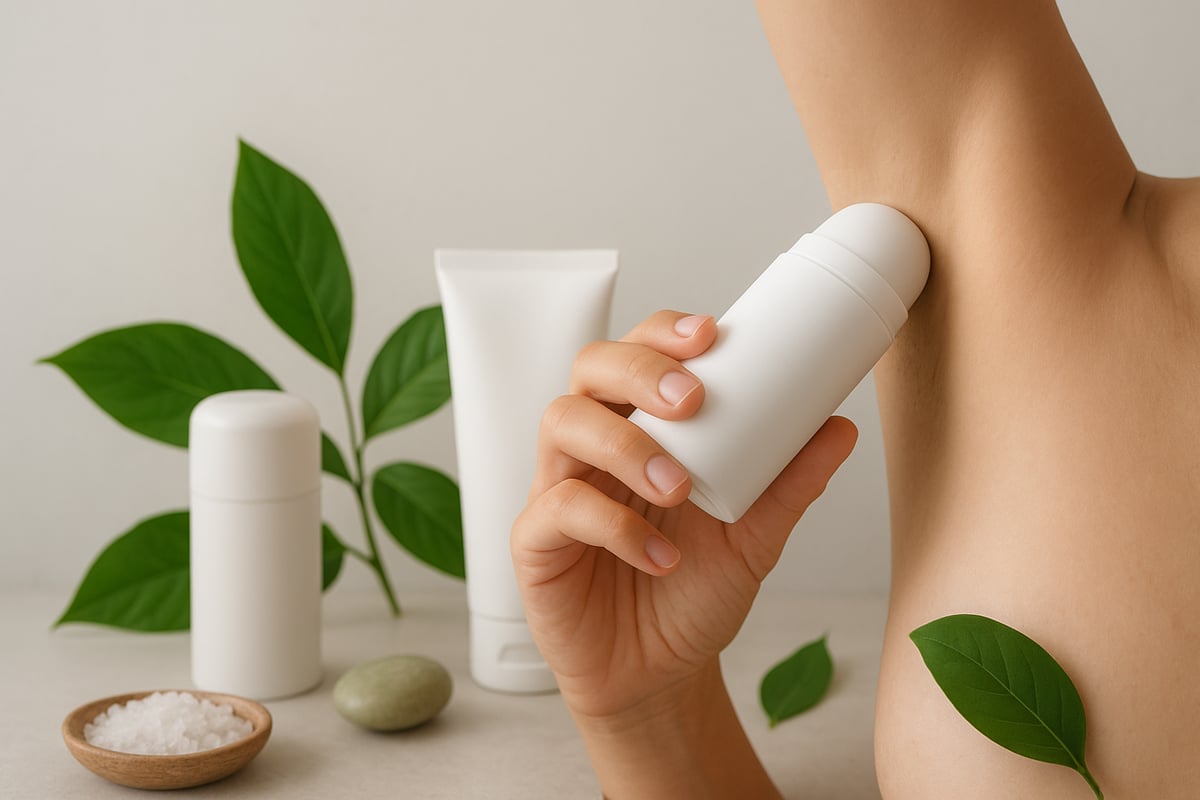
Recent tests show that choosing a deodorant and antiperspirant depends largely on its composition. Natural formulas, often based on baking soda, essential oils, or alcohol, effectively neutralize odors without blocking perspiration. According to consumer panels, more than 80% of users report feeling long-lasting freshness, even during intense activities such as sports or in hot weather.
In vivo studies conducted in Europe, particularly by independent laboratories, confirm that effectiveness varies depending on the synergy of the ingredients. For further information, consult the detailed evaluation methods on the page " Efficacy of Deodorants and Antiperspirants ." This will help you better understand how these products meet our daily needs.
Effectiveness of antiperspirants: recent data
Antiperspirants are distinguished by their ability to visibly reduce perspiration. Clinical studies from 2026 show that formulas containing aluminum salts, present in the majority of deodorants and antiperspirants on the market, can reduce sweating by 40 to 60%, depending on skin type. The results are particularly significant in people suffering from hyperhidrosis.
The duration of action is often greater than 24 hours, with increased effectiveness on clean, dry skin. User feedback highlights the importance of choosing the correct concentration of aluminum salts to avoid irritation and maximize protection.
Safety and controversies: a focus on ingredients
Ingredient safety remains at the heart of debates surrounding deodorants and antiperspirants. Aluminum salts, frequently singled out, were the subject of numerous studies in 2026. Health authorities reiterate that no direct link has been established between these components and serious illnesses, such as breast cancer, when used in regulated concentrations.
However, some people may experience allergic reactions or irritation. Natural alternatives, free of aluminum salts and alcohol, are gaining popularity due to their skin tolerance and more transparent composition. Official recommendations advise choosing products suited to individual sensitivities.
Innovations and new formulas
The latest innovations are transforming the world of deodorants and antiperspirants. Laboratories are investing in research on the skin microbiome and the encapsulation of active ingredients for the gradual release of odor-fighting agents. Aluminum-free and alcohol-free formulas are increasingly popular, as are ingredients derived from biotechnology.
Recent products offer innovative textures, such as creams, solid sticks, or gas-free sprays. Consumers thus benefit from personalized options that are kind to their skin and the environment, while maintaining optimal daily effectiveness.
Selection Criteria: How to Select the Best Solution in 2026?
Finding the right deodorant and antiperspirant is first and foremost a matter of self-knowledge. Our needs evolve with our lifestyle, our health, and our values. To help you make the best choice in 2026, let's explore together the essential criteria to consider.

Understanding your needs and lifestyle
Everyone's perspiration is unique. A growing teenager, an athlete, or someone working in an office will not have the same expectations when it comes to deodorant and antiperspirant.
Some people seek strong moisture control, while others prioritize odor neutralization. Skin sensitivity is also a key factor. If you've experienced redness or itching, opt for gentle or dermatologically tested formulas, such as those recommended in this article on effective deodorant for sensitive skin .
Let's not forget specific needs: heavy perspiration, allergies, or a desire to avoid certain ingredients. The choice should adapt to your daily life, to protect you without compromising on comfort.
Read and decipher the labels
By 2026, product labels will become more transparent, but it remains essential to read them carefully. To choose a suitable deodorant and antiperspirant, check for the presence or absence of aluminum salts, alcohol, or synthetic fragrances if you have sensitivities.
Labels like organic, vegan, and cruelty-free are increasingly common. Learn to spot reassuring claims and avoid controversial ingredients. Regulations are evolving and demanding greater clarity, but savvy consumers always remain vigilant.
Environmental and ethical impact
Choosing a deodorant and antiperspirant is no longer just about effectiveness. Today, many of us want to reduce our environmental impact. Opt for recyclable or refillable packaging and eco-friendly formulas.
Demand for vegan or cruelty-free products is exploding. Figures show strong growth in the responsible market. By considering the environmental impact of your purchases, you contribute to more conscious and engaged consumption.
Budget and accessibility
Finally, budget plays a role. Deodorant and antiperspirant prices vary depending on the brand, ingredients, and size. Today, there are options for every budget, available in supermarkets, pharmacies, and organic stores.
The price-to-quality ratio is important: a more expensive product isn't always more effective. Consider comparing formats (stick, cream, spray) and testing which one works best for you. The best-selling products of 2026 focus on affordability without sacrificing quality.
Market Trends and Innovations in 2026
The deodorant and antiperspirant market is undergoing a true revolution in 2026. Consumer expectations are changing rapidly, and innovation is booming. Brands are competing fiercely to meet new demands, whether related to environmental responsibility, personalization, or transparency. Let's explore the major trends transforming our daily lives.
Explosion of natural and organic formulas
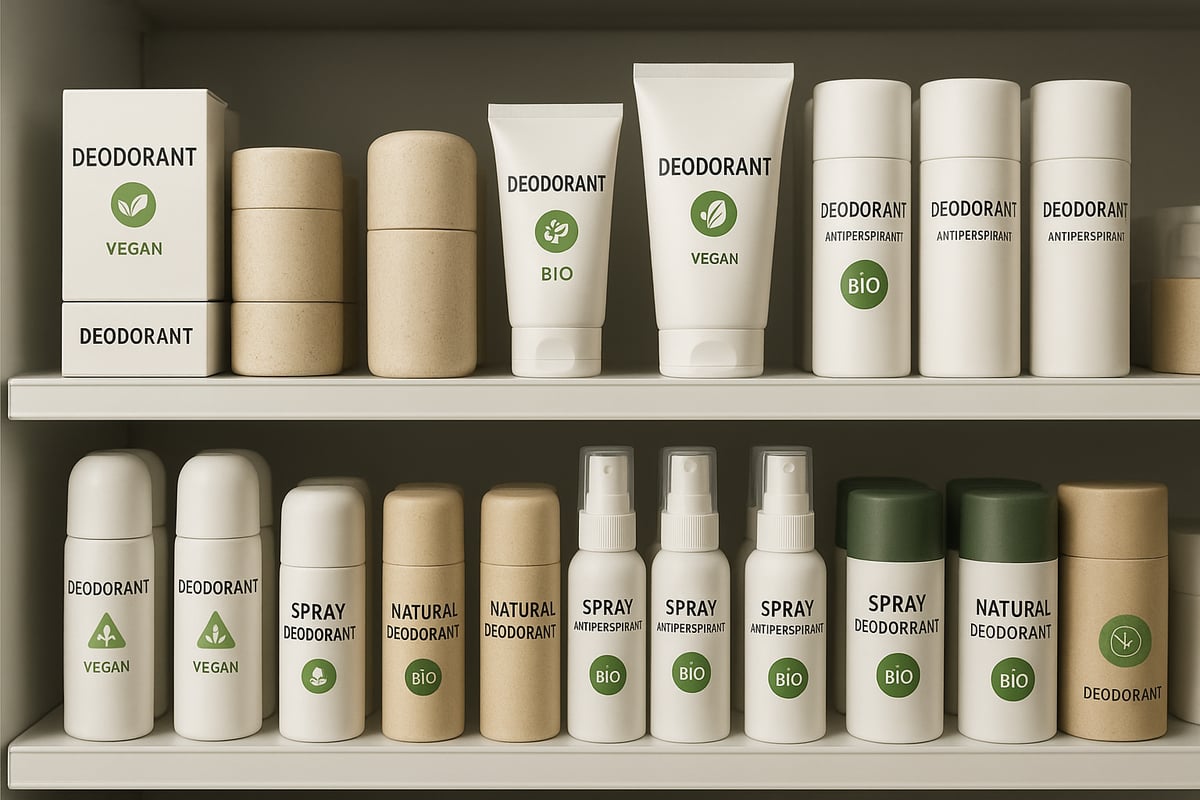
By 2026, demand for natural deodorants and antiperspirants is exploding. Consumers want healthier formulas that are kind to their skin and the environment. According to the latest studies, the organic deodorant market is experiencing double-digit growth. More and more brands are offering alternatives free of aluminum salts and alcohol, and enriched with naturally derived ingredients.
Organic and vegan labels are becoming major selection criteria. Essential oils and baking soda are among the star ingredients. This trend stems from a desire to limit controversial substances and prioritize transparency. To learn more about new formulas and pioneering brands, see our article dedicated to natural and organic deodorants .
Development of customized solutions
Personalization is emerging as a key trend in the deodorant and antiperspirant sector. Thanks to artificial intelligence and online questionnaires, everyone can now find the formula best suited to their skin type, lifestyle, or fragrance preferences. Some brands even offer skin tests to refine the selection process.
Customizable deodorants are emerging, offering a choice of fragrance, texture, and intensity. Consumers appreciate being able to adjust their skincare routine according to the season, physical activity, or skin sensitivities. This personalized approach enhances feelings of well-being and confidence on a daily basis.
Focus on transparency and traceability
Transparency is becoming central to the choice of deodorant and antiperspirant. Ingredient lists are getting shorter for greater clarity. Brands are communicating about the origin of raw materials, the quality of their supply chains, and highlighting recognized labels.
Consumers are increasingly attentive to traceability, demanding proof of product origin and manufacturing. This approach provides reassurance and facilitates comparison between different products, while also highlighting manufacturers' ethical and environmental commitments.
Innovative alternatives to traditional formulas
Innovations in deodorant and antiperspirant products continue to surprise. Solid formats, creams applied with a finger, and propellant-free sprays are appealing due to their convenience and low environmental impact. The development of formulas with probiotics and skin microbiome benefits opens up new possibilities for naturally regulating odor.
Initial consumer feedback on these alternatives is very positive, particularly regarding skin tolerance and effectiveness. The market continues to evolve rapidly, promising further discoveries in the years to come.
Impacts on Daily Health and Well-being
Many of us are looking for the right balance between effectiveness, safety, and comfort in our daily routine. Choosing a deodorant and antiperspirant isn't just about hygiene; it also profoundly influences our confidence, well-being, and even our social interactions. Let's explore together how these products truly impact our lives and how to make informed choices to feel good every day.
Influence on self-confidence and quality of life
Having confidence often comes down to small details. The right deodorant and antiperspirant can transform your daily life. Recent studies show that embarrassment related to perspiration or body odor can quickly undermine self-esteem, especially during important events like a job interview or a meeting.
Testimonials reveal that switching products, or opting for a natural formula, greatly helps to regain serenity and confidence. People feel more at ease, ready to open up to others, without fear of judgment. In short, choosing the right deodorant and antiperspirant is a real boost to self-confidence.
Management of sensitive skin and allergies
For sensitive skin, choosing a deodorant and antiperspirant requires special attention. Irritation, stinging, or allergies are common, especially with certain ingredients like alcohol or aluminum salts. Fortunately, gentle, fragrance-free, and alcohol-free alternatives are now available, specially formulated to minimize these risks.
Dermatologists recommend carefully reading labels and choosing hypoallergenic formulas. Furthermore, the safety of aluminum salts in antiperspirants is regularly assessed by regulatory authorities, who confirm their safety at permitted concentrations. This reassures many deodorant and antiperspirant users, while also highlighting the importance of listening to your skin.
Deodorant and antiperspirant for teenagers and athletes
Teenagers and athletes have very specific needs when it comes to deodorant and antiperspirant. During puberty, perspiration increases, as does the risk of unpleasant odors. For athletes, intense physical activity requires enhanced protection without irritating the skin.
It is advisable to choose age-appropriate products that are gentle yet effective, and to avoid applying them to damaged skin. Appropriate routines, such as washing before each application or alternating between different formulas, help maintain healthy skin. These tips help every young person or athlete enjoy their day to the fullest with a deodorant and antiperspirant that meets their needs.
Risks of misuse or abuse
Even the best deodorant and antiperspirant can become problematic if used incorrectly. Common mistakes include applying it to irritated skin, using too much, or using it too frequently. In the long term, this can cause redness, itching, and even damage to the skin barrier.
To avoid these problems, you just need to follow a few simple rules:
- Always apply to clean, dry skin
- Limit the quantity to a thin layer
- Alternate products if needed
Experts remind us that listening to your body and following usage recommendations are essential. This way, everyone can enjoy the benefits of deodorant and antiperspirant while protecting their daily health.
FAQ: Answers to Frequently Asked Questions about Deodorants and Antiperspirants in 2026
Still wondering whether to choose deodorant or antiperspirant? Don't worry, we've gathered answers to the most frequently asked questions to help you make a more informed decision. Each question is answered clearly and helpfully, based on the latest research and user feedback.
Are antiperspirants dangerous to health?
This is THE question that keeps coming up. For years, the debate surrounding deodorant and antiperspirant has stirred up social media and discussions. Recent studies, published in 2026, confirm that antiperspirants containing aluminum salts can be used safely by most people, provided the usage recommendations are followed. However, if you have sensitive skin or a history of allergies, it is best to choose a suitable formula. Health authorities remain vigilant and remind us of the importance of not applying these products to irritated or damaged skin. In short, using deodorant and antiperspirant responsibly is entirely possible to maintain your daily well-being.
Can you use a natural deodorant every day?
Using a natural deodorant and antiperspirant daily is possible and even recommended if your skin tolerates it well. Natural formulas, often enriched with baking soda, essential oils, or mineral powders, are increasingly popular with consumers. They minimize the risk of irritation and respect the skin's natural balance. To better understand the ingredients in your natural deodorant, feel free to consult this guide on essential ingredients in deodorants . However, it's advisable to monitor your skin's reaction during the first few days of use. If redness or itching occurs, adjust the frequency of application or switch to a different formula. The most important thing is to listen to your body and choose the deodorant and antiperspirant that suits you best.
How to switch from an antiperspirant to a natural deodorant
Switching from conventional deodorant and antiperspirant to a natural version may require a little patience. During the first few days, it's common to experience a temporary increase in perspiration or odor while your skin readjusts to its natural balance. To make this transition easier, opt for a gradual adjustment period and choose breathable clothing. Wash your underarms with a mild soap and avoid applying too much product. Many users report improved comfort and reduced irritation after a few weeks. You're part of a growing movement towards healthier, more ethical formulas, as demonstrated by the growth of the organic deodorant market from 2025 to 2034. Patience and self-compassion are your best allies in this transition.
After exploring the differences between deodorant and antiperspirant together, you're probably wondering which solution would truly bring you comfort, effectiveness, and peace of mind every day. At basic., we believe you can take care of yourself without compromise, whether it's for your health or the planet. If the idea of minimalist, vegan, aluminum-free, and skin-friendly skincare appeals to you, why not take the plunge and discover a natural alternative designed for all of us? To form your own opinion, try it now !