


Deodorant Stone: Essential Guide and Tips 2026
Discover our 2026 guide on deodorant stones and benefit from practical advice to choose, use and adopt this natural deodorant with confidence together.

Faced with the search for healthier and more environmentally friendly solutions, natural alternatives are gaining ground in our routines every day. The deodorizing stone is emerging as a gentle revolution, offering an innovative and eco-friendly option where traditional deodorants still dominate.
Do you want to understand how this deodorizing stone works, why it's becoming increasingly popular, and how to effectively integrate it into your daily routine in 2026? This comprehensive guide will walk you through each step to make an informed choice, avoid common pitfalls, and confidently adopt this natural practice.
Ready to discover the origins, benefits, practical tips and future prospects of the deodorizing stone? Follow us in this friendly overview to transform your hygiene routine with simplicity and serenity.
What is a Deodorant Stone? Origins and Principles
Deodorant stones are increasingly popular with those seeking natural alternatives for daily hygiene. But what sets them apart from traditional deodorants, and why are they generating so much interest? Let's explore their secrets, from their composition and history to their effectiveness and future trends.
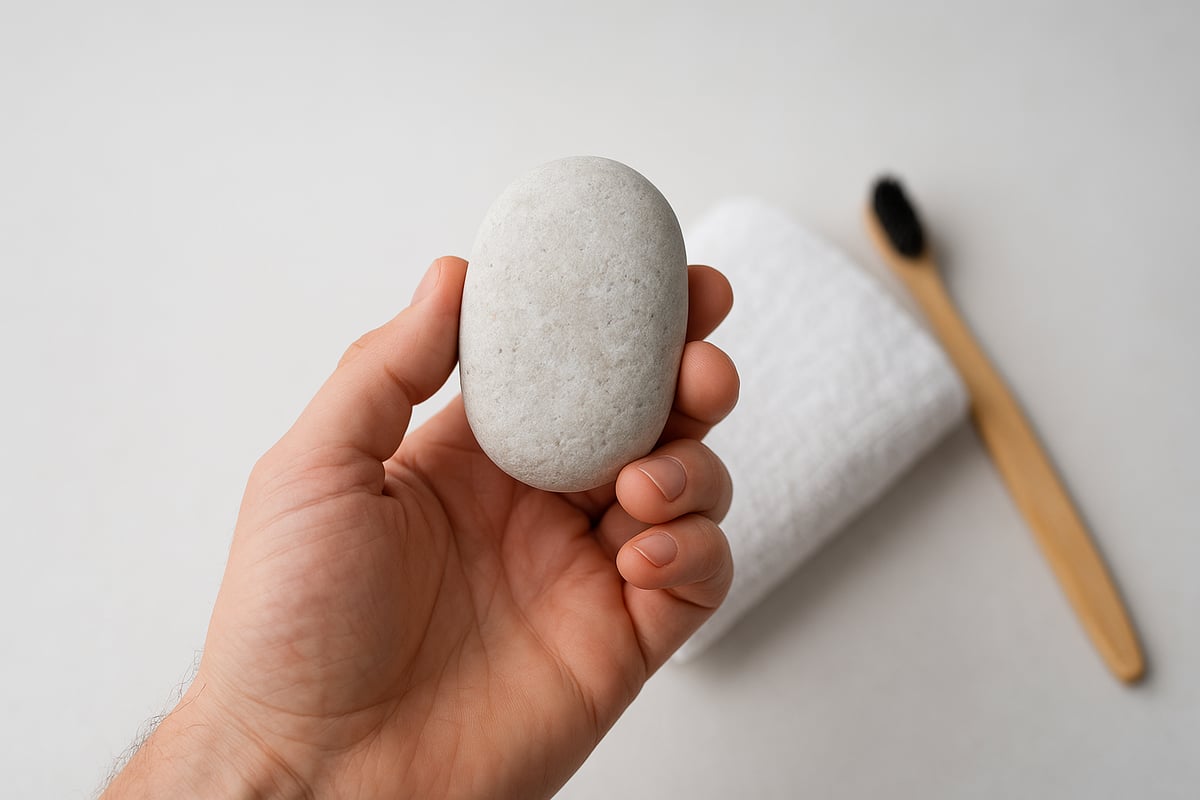
Definition and composition of the deodorant stone
A deodorant stone is a solid, crystalline product made primarily from natural mineral salts. Unlike conventional deodorants, it doesn't mask odors with a fragrance, but acts directly on the bacteria responsible for bad smells. There are two main types: natural alum stone, composed of potassium alum, and the synthetic version, based on ammonium alum.
The composition of a deodorant stone depends on its origin. The natural version contains only mineral salts, without chemical additives or perfume. It is generally free of parabens, alcohol, and other controversial substances. Some manufacturers offer raw, polished, or stick-shaped stones, always without plastic packaging.
History and origins of the deodorant stone
The history of the deodorizing stone dates back several centuries. It has been used since antiquity, particularly in Asia and around the Mediterranean. Ancient civilizations discovered its skin-cleansing properties and incorporated it into their hygiene routines.
Over time, the deodorizing stone has transcended eras, evolving from traditional uses to modern bathrooms. Even today, it retains a strong cultural significance, symbolizing a return to simpler, more natural self-care practices.
How it works: how does the deodorizing stone work?
The deodorant stone works by depositing a thin layer of mineral salts on the skin, which limits the proliferation of bacteria responsible for body odor. Unlike antiperspirants, it doesn't block perspiration, but it helps prevent odors without masking their origin.
Its action is purely antibacterial, without added fragrance. This natural mechanism raises many questions about its actual effectiveness. To learn more about the performance and limitations of alum stone, you can consult the article "Effectiveness and Limitations of Alum Stone ."
Different types of stones and their specific characteristics
There are several types of deodorant stone on the market. Natural alum stone (potassium alum) comes from mineral deposits and is distinguished by its purity. The synthetic version (ammonium alum) is industrially produced and may contain higher levels of aluminum salts.
To make a choice, it is helpful to compare the specifications:
| Stone type | Origin | Composition | Available formats |
|---|---|---|---|
| Natural alum stone | Mineral deposits | Pure potassium alum | Raw, polished, stick |
| synthetic alum stone | Chemical industry | Ammonium alum | Raw, stick, powder |
Origin, purity, and format (stick, pebble, powder) influence the choice of your deodorant stone.
Statistics and trends 2026
In 2026, the deodorant stone market experienced remarkable growth. According to Statista, the natural deodorant segment saw an annual increase of 18%. This growth is attributed to increasing consumer interest in environmentally friendly solutions.
In Europe, deodorizing stones are gaining ground, representing an increasingly significant market share. Users are now favoring sustainable, zero-waste products suited to a minimalist beauty routine. This trend is expected to continue, as natural alternatives continue to appeal to a broad and engaged audience.
Advantages and Limitations of the Deodorizing Stone
Deodorizing stones are increasingly popular with those seeking a natural, healthy, and responsible alternative. Let's explore their strengths and limitations together, so you can make an informed choice for your daily routine.
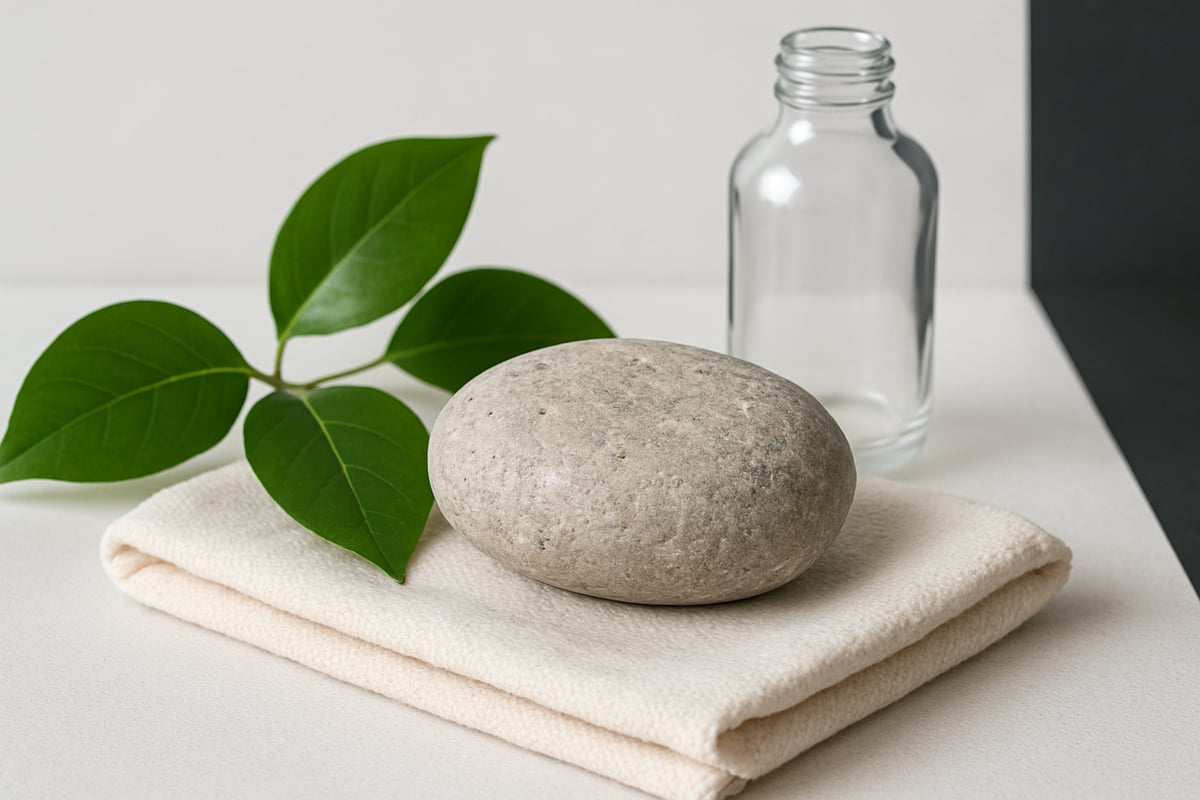
The health and skin benefits
The deodorizing stone is known for its gentleness and tolerance, even on the most sensitive skin. Its hypoallergenic formula, free of alcohol, parabens, and perfume, minimizes the risk of irritation or allergic reactions.
Unlike some conventional antiperspirants, it doesn't clog pores. This allows the skin to breathe naturally while being protected against unpleasant odors. For many users, the deodorizing stone offers daily comfort and a feeling of lightness, ideal after shaving or waxing.
Ecological advantages and sustainability
Choosing a deodorizing stone is a powerful way to help the planet. This solid product generates zero plastic waste and often lasts up to a year, reducing the frequency of purchases and carbon footprint.
Its packaging, often minimalist, is recyclable or compostable. The deodorizing stone fits perfectly into an eco-friendly beauty routine. By choosing this simple step, we actively participate in reducing waste in our bathroom.
Real effectiveness against odors and perspiration
The deodorizing stone works primarily by neutralizing odor-causing bacteria, without masking natural body odor. According to several studies and user reviews, it satisfies most people for its ability to control odors on a daily basis.
However, it's important to note that a deodorant stone is not an antiperspirant. It doesn't prevent sweating, but it effectively prevents odor, except in cases of very heavy perspiration. For a detailed comparison with other natural deodorants, see Advantages of Natural Deodorants .
Limitations and precautions for use
Even though deodorant stones are natural, they have some limitations. They are not suitable for those looking to completely stop perspiration. Furthermore, some synthetic types may contain aluminum ammonium, which is less recommended.
It is best to avoid using the deodorizing stone on broken or irritated skin to prevent discomfort. Those with sensitive skin should opt for the natural version (potassium alum) and check the origin to ensure quality and safety.
Examples and consumer data
The overall experience of users of deodorizing stones remains positive. According to a 2025 UFC-Que Choisir survey, 72% of respondents reported being satisfied with their use, particularly regarding the reduction of irritation.
Summary table:
| Criteria | Satisfaction (%) |
|---|---|
| Efficiency | 68 |
| Skin tolerance | 81 |
| Lifetime | 77 |
Skin reactions are rare, but possible, especially when switching from a conventional deodorant. Online forums and testimonials show that patience and consistency are essential to fully benefit from the deodorizing stone.
User Guide: How to Properly Use Your Deodorizing Stone?
Incorporating a deodorant stone into your routine means choosing simplicity. However, making the switch successfully requires a few practical tips. Follow this step-by-step guide to reap all the benefits of a deodorant stone, from skin preparation to maintenance, not forgetting the little tricks that make all the difference.
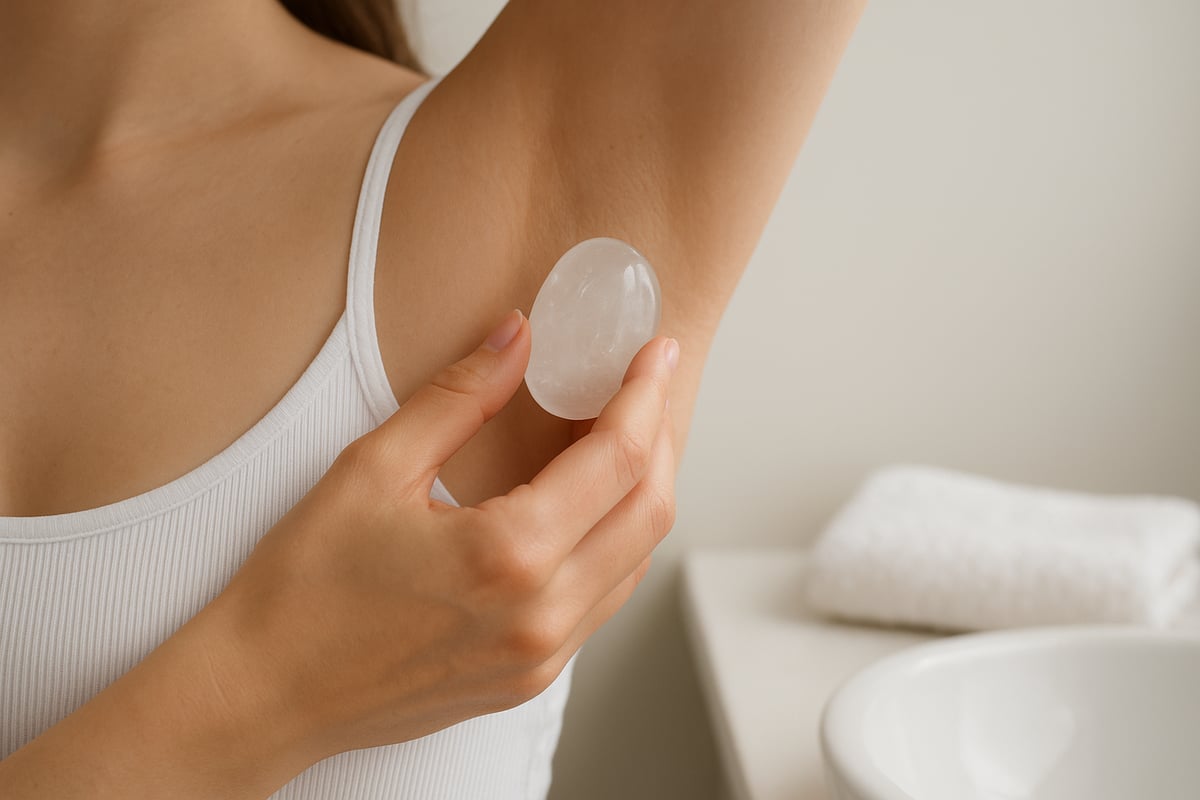
Step 1: Skin preparation
Before using your deodorant stone, always start by thoroughly washing your underarms. Clean skin optimizes the effectiveness of the deodorant stone and limits the proliferation of odor-causing bacteria.
- Shower or clean the area locally with warm water.
- Gently dry the skin with a soft towel.
- Avoid applying the deodorant stone to irritated or freshly shaved skin.
This preparation creates a healthy base and maximizes the adhesion of the minerals in the deodorant stone. Taking care of your skin before each application is the first step towards optimal natural protection.
Step 2: Moisten the stone
Activating the deodorizing stone involves a key step: moistening it. Indeed, the deodorizing stone only releases its minerals upon contact with water.
- Quickly rinse the stone under running tap water.
- You can also moisten it using a spray bottle or a damp cloth.
- Do not submerge it for long periods, as this could cause premature wear.
Water facilitates the diffusion of the protective film on the skin. This step makes using the deodorant stone more pleasant and promotes even application, without leaving any visible residue.
Step 3: Correct application
To best enjoy the benefits of the deodorizing stone, application should be gentle and even. Apply the deodorizing stone to damp skin using circular motions.
- Focus primarily on areas prone to odors.
- Pass the stone over each armpit for 10 to 20 seconds.
- No need to rub hard, gentleness is enough.
The deodorant stone does not block perspiration but effectively neutralizes bacteria. Daily application, preferably after showering, guarantees a lasting and natural feeling of freshness.
Step 4: Drying and preservation
After each use, it is essential to thoroughly dry the deodorizing stone to avoid any risk of breakage or mold growth.
- Place it on a draining soap dish.
- Let it air dry, away from sources of humidity.
- Avoid closed boxes or confined spaces.
Careful drying prolongs the life of the deodorizing stone. It will then remain solid and effective for several months, without losing its natural properties.
Step 5: Regular cleaning and maintenance
Maintaining your deodorizing stone is easy but essential to preserve its effectiveness. Clean it once a week to remove any buildup.
- Rinse the stone with clean water.
- Scrub gently with a small brush if necessary.
- Always allow it to dry completely before storing.
This maintenance routine prevents bacterial growth and ensures impeccable hygiene with every use of your deodorizing stone.
Tips to maximize efficiency
To get the most out of your deodorizing stone, a few simple tips make all the difference:
- Adopt a healthy lifestyle (balanced diet, breathable clothing).
- After shaving or waxing, wait a few hours before applying the deodorant stone.
- Adjust the application frequency according to the season or your physical activity.
To take your natural approach even further, take inspiration from eco-friendly beauty routine tips. You'll see, the deodorizing stone fits perfectly into a healthy and planet-conscious lifestyle.
Selection Criteria: How to Select the Best Deodorant Stone in 2026?
Choosing the best deodorizing stone in 2026 can seem like a real challenge, especially with the wide variety of products on the market. To help you make an informed choice, let's look at the essential criteria to consider. We'll explore differences in composition, origin, formats suited to your lifestyle, value for money, and the importance of environmental certifications.
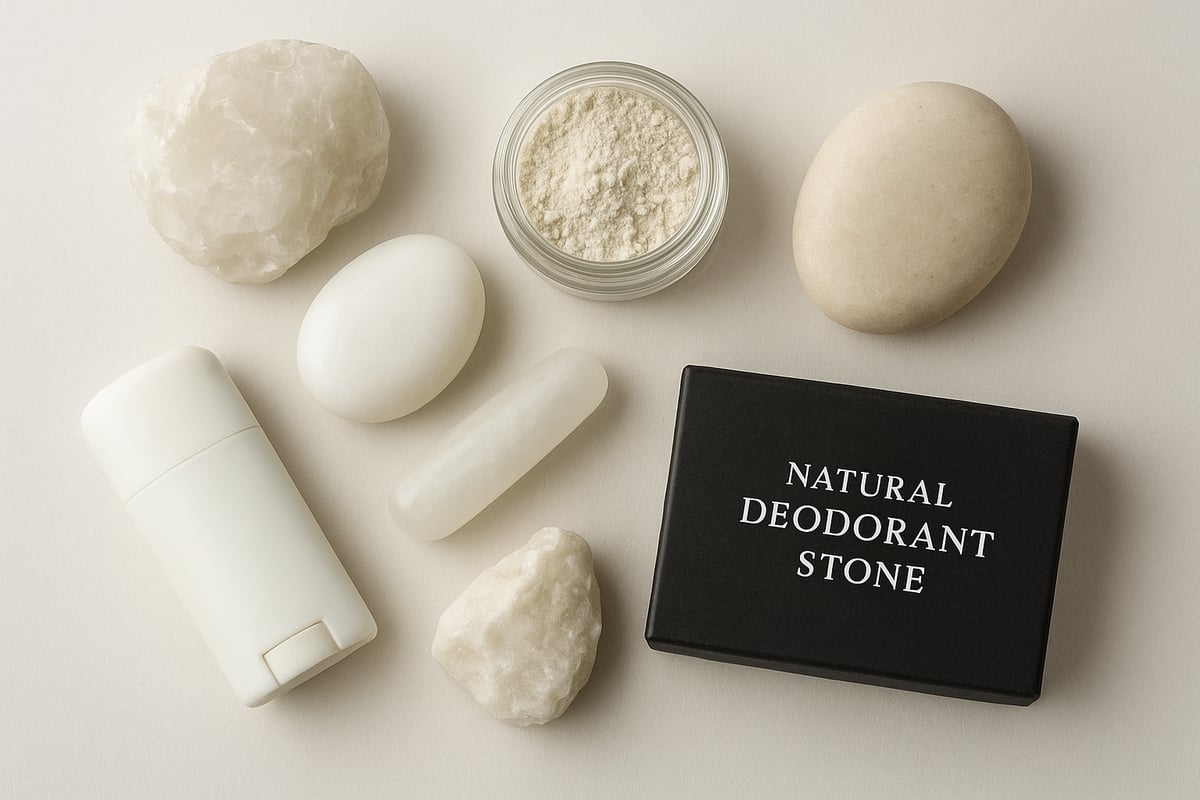
Origin and composition: natural vs. synthetic
The composition of a deodorant stone is the first criterion to examine. There are two main types: natural alum stone, composed of potassium alum, and synthetic alum stone, based on ammonium alum. Always choose the natural version, derived from the crystallization of minerals, as it contains fewer soluble aluminum salts. Natural compositions are often certified additive-free, which reduces the risk of skin reactions. To verify authenticity, check the label and look for certifications such as Ecocert or Cosmos. This way, you'll benefit from a healthier deodorant stone that's kinder to your skin.
Origin and traceability
The origin of your deodorant stone is a guarantee of quality and trust. Opt for short supply chains and brands that are transparent about the origin of their stones. Some companies commit to providing complete traceability, from the extraction site to the point of sale. This approach also supports the local economy and guarantees ethical production conditions. Research the brand's reputation and don't hesitate to consult customer reviews to confirm its reliability. A well-traceable deodorant stone inspires confidence and contributes to more responsible consumption.
Shape, format and practicality
The choice of deodorant stone format depends on your daily routine. Raw or polished shapes are suitable for home use, while sticks or compact formats are perfect for travel or sports. There are also powder versions for those who prefer a different application method. Ask yourself: do you need a product for on-the-go use or for the whole family? The right format makes using the deodorant stone more pleasant and tailored to your needs, while also preventing waste.
Value for money and lifespan
Investing in a quality deodorant stone is also a smart long-term investment. While the initial price may seem higher than that of a conventional deodorant, its longevity (up to 12 months) more than compensates. Compare the total cost over a year to assess your investment. For a more in-depth comparison, consult this Deodorant and Antiperspirant Comparison , which details the differences in price and effectiveness. This will help you choose a deodorant stone that combines performance and savings.
Environmental certifications and commitments
Finally, check the brand's certifications and commitments. A deodorant stone labeled organic, vegan, or cruelty-free guarantees an approach that respects the environment and animals. Opt for recyclable or compostable packaging to limit your ecological impact. Committed brands often display their values on their products, allowing you to support more ethical consumption. A certified and responsible deodorant stone is a simple gesture for the planet, while also taking care of yourself.
Practical Tips and Common Mistakes to Avoid
Changing your habits to adopt a deodorizing stone is a wonderful step towards a more natural routine. But as with any new product, success depends on good preparation and knowing the pitfalls to avoid. Let's explore together how to facilitate the transition, avoid common mistakes, and fully enjoy the benefits of the deodorizing stone.
Tips for a successful transition
Switching from regular deodorant to a deodorant stone sometimes requires a little patience. The skin needs to adjust to a gentler, fragrance-free formula. It's normal to notice a slight change in body odor during the first few days.
To successfully complete this transition:
- Clean your armpits thoroughly every day.
- Wear clothes made of natural fibers to limit perspiration.
- Be patient, the adaptation phase can last one to two weeks.
With a regular routine, the deodorizing stone reveals its full natural potential and accompanies you for a long time.
Common mistakes to avoid
Certain mistakes are common when using a deodorizing stone. Knowing them will ensure a more pleasant and lasting experience:
| Common mistake | Consequence |
|---|---|
| Stone not moistened enough | Reduced efficiency |
| Application on irritated/injured skin | Tingling sensations |
| Preservation in a humid environment | Stone that crumbles or molds |
To get the most out of your deodorant stone, remember to always keep it slightly moist, avoid applying it after shaving, and store it in a dry place.
Problems encountered and solutions
Even with good practices, minor issues can sometimes arise with the deodorizing stone. Here's how to easily resolve them:
- Irritations: Use the stone on healthy skin only and let it rest if redness occurs.
- Mold or deposits: Clean the stone regularly with clean water and let it air dry.
- Loss of effectiveness: If the deodorizing stone seems less effective, consider replacing it, especially after several months of use.
Adopting these simple steps ensures safe and optimal use of your deodorizing stone.
Testimonials and feedback
Many people share their successes, but also their doubts, when switching to deodorant stones. On forums like Doctissimo or Que Choisir, you can find valuable advice: persevere, adjust the application frequency, and sometimes try other natural alternatives. To explore other options, take a look at this comparison of natural deodorant alternatives .
Listening to the experiences of others provides reassuring and motivating support in adopting the deodorizing stone.
Perspectives and Innovations surrounding Deodorizing Stone in 2026
The world of deodorizing stones is experiencing a true renaissance in 2026, driven by the quest for increasingly natural and responsible solutions. Consumers are looking for effective, innovative products that respect both their health and the planet. Let's explore together the trends, innovations, and developments shaping the future of deodorizing stones.
New market trends
By 2026, the deodorant stone will be enriched with new properties through the addition of plant or mineral extracts, responding to the growing demand for personalization and increased effectiveness. We are seeing the emergence of ranges dedicated to sensitive or sporty skin, incorporating ingredients such as aloe vera or activated charcoal.
The zero-waste movement is also gaining momentum. Consumers are increasingly favoring deodorizing stones offered without packaging or in reusable containers. This trend is accompanied by a growing collective awareness of the environmental impact of everyday products.
Technological innovations and packaging
Innovation doesn't stop at the composition. Deodorant stone manufacturers are investing in refillable holders, convenient for travel and long-lasting. We're also seeing stylish cases, made from recycled or bio-based materials, that appeal with their aesthetics and functionality.
Collaborations with eco-conscious designers allow us to offer products that are both elegant and socially responsible. These innovations make the deodorizing stone more accessible and appealing, while reinforcing its image as a modern solution.
Impact of certifications and labels
Organic, vegan, and cruelty-free certifications are gaining ground in the world of deodorizing stones. Recognized labels like Ecocert and Cosmos reassure consumers and strongly influence their purchasing decisions. By 2026, the majority of new stones on the market will display at least one label certifying a natural composition and ethical production methods.
According to the latest statistics, certified products represent nearly 60% of sales in Europe. This figure reflects the growing trust in brands' commitments and the desire for more responsible consumption.
Changes in consumption habits
The profile of deodorant stone users is evolving rapidly. The Mintel 2025 study shows a significant increase in the number of people adopting this type of natural deodorant. Social media and influencers play a key role in this popularization, sharing tips and minimalist routines.
Furthermore, transparency regarding ingredients and side effects is attracting new users concerned about their well-being. To understand the benefits and drawbacks of deodorant stones, see Advantages and Disadvantages of Natural Deodorants . This trend reflects a healthier lifestyle where simplicity goes hand in hand with effectiveness.
You feel it's the right time to switch to a more natural and minimalist routine. After everything we've explored together about deodorant stones—their origins, benefits, and practical tips—you deserve to try a product that respects both your skin and the planet. At Basic, we believe in effective simplicity with short but powerful formulas and a truly ethical approach. If you want to experience the difference for yourself and integrate a healthy alternative into your daily life, we invite you to try it now.