


The Complete Guide to Dry Lip Care in 2026
Discover our complete guide to dry lip care in 2026. Understand the causes, adopt the right techniques, and find the best products for soft lips all year round.

By 2026, having dry lips isn't just a minor issue; it's a concern shared by everyone, regardless of age or season. Why are our lips so vulnerable to dryness? The consequences go far beyond simple discomfort, also affecting self-esteem and skin health.
Fortunately, natural and innovative solutions now exist for truly effective dry lip care. This comprehensive guide promises practical advice and professional tips tailored to every individual.
Throughout this article, we'll explore the causes, symptoms, best practices, key products, seasonal routines, mistakes to avoid, and expert advice. Ready to have soft, healthy lips all year round? Let's dive into this guide together and take care of our smiles!
Understanding dry lips: causes and mechanisms
Dry lips affect most of us, and to choose the right lip care product, you first need to understand why this area is so delicate. Let's delve into the mechanisms, causes, and common misconceptions to better prevent and soothe this frequent problem.
The physiological characteristics of the lips
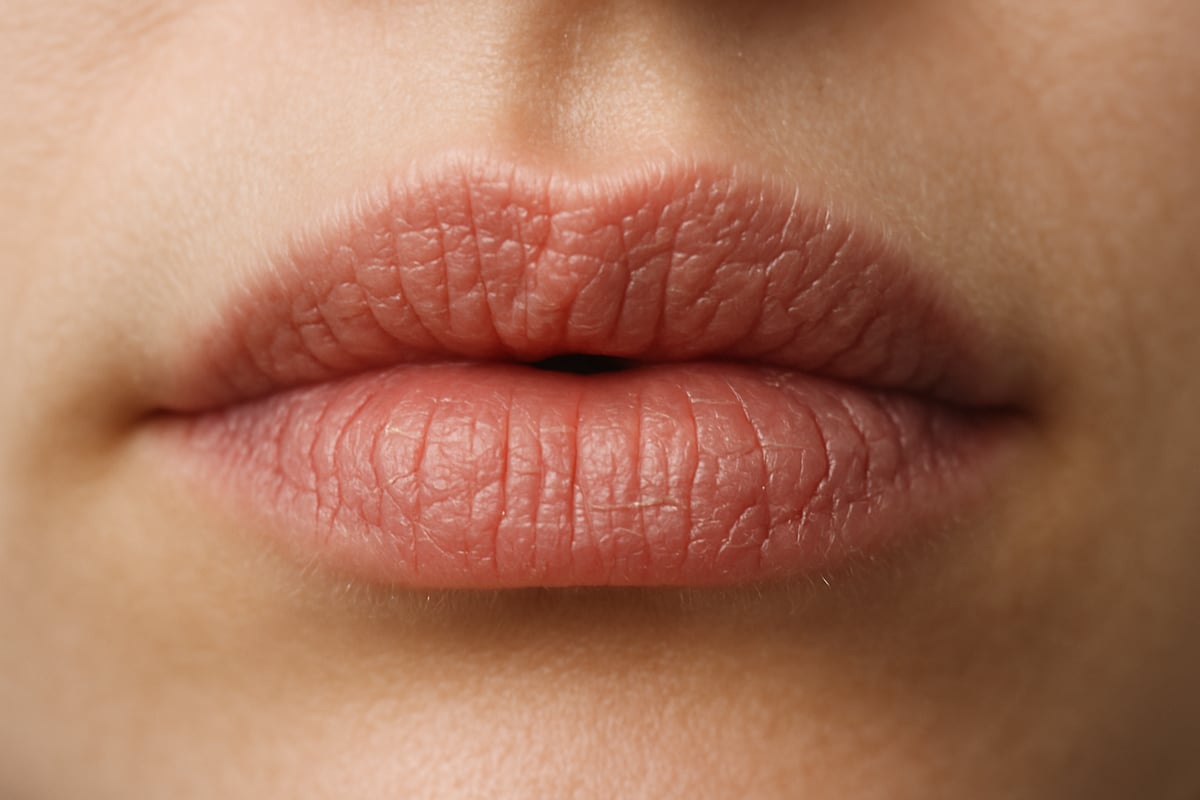
Lips are different from the rest of the skin. They have neither sebaceous nor sweat glands, which limits their ability to retain moisture. Their epidermis is very thin and lacks melanin, making them vulnerable to damage. Unlike the cheeks or forehead, they do not produce protective sebum.
According to a Nivea study, 80% of people report experiencing dry lips at least once a year. This highlights the importance of a suitable daily lip care routine. Without this natural protection, lips react quickly to even the slightest imbalance.
Environmental and seasonal factors
Cold, wind, sun, and pollution are formidable enemies of our lips. Dry air, caused by heating or air conditioning, exacerbates moisture loss. As a result, we observe a peak in lip dryness in winter, but also during heat waves.
Seasonal changes necessitate adapting your dry lip care routine. For further information, you can consult the article " Causes and Treatments of Dry Lips ," which details the impact of the environment on the health of our lips. Adopting simple habits, such as sun protection and humidifying the air, makes a real difference.
Internal causes and lifestyle habits
Dehydration remains one of the main causes of dry lips. A lack of vitamins B and E, or zinc, weakens the mouth. Certain medications, such as retinoids or chemotherapy, can also dry out the lips.
Seemingly harmless habits, such as frequent licking or breathing through the mouth, worsen the situation. For effective dry lip care, it's essential to identify and correct these habits. Remembering to drink regularly and eat a varied diet also contributes to healthy lips.
Specific pathologies and sensitivities
Some people have increased sensitivity. Allergies, contact dermatitis, or cold sores are common examples. Chronic conditions, such as eczema or psoriasis, can also cause persistent dryness.
Specific treatment for dry lips is then necessary, often on medical advice. If unusual symptoms occur (itching, swelling, lesions), it is best to consult a professional to avoid complications.
Misconceptions to debunk
Many people believe that lip balm is addictive. In reality, this is often a sign that the product being used is not suitable. Similarly, believing that a simple oil or butter is sufficient is not always true.
For optimal care of dry lips, choose comprehensive formulas enriched with moisturizing and protective ingredients. Don't hesitate to vary your products according to the season and your needs. Deconstructing these ideas will give you the best chance of regaining soft and healthy lips.
Symptoms and diagnosis of dry lips in 2026
Having dry lips is never insignificant. The first signs often appear unexpectedly and can quickly impact daily comfort. Recognizing the symptoms and making the right diagnosis is essential for adopting an effective and personalized dry lip care routine.
Visible and felt signs
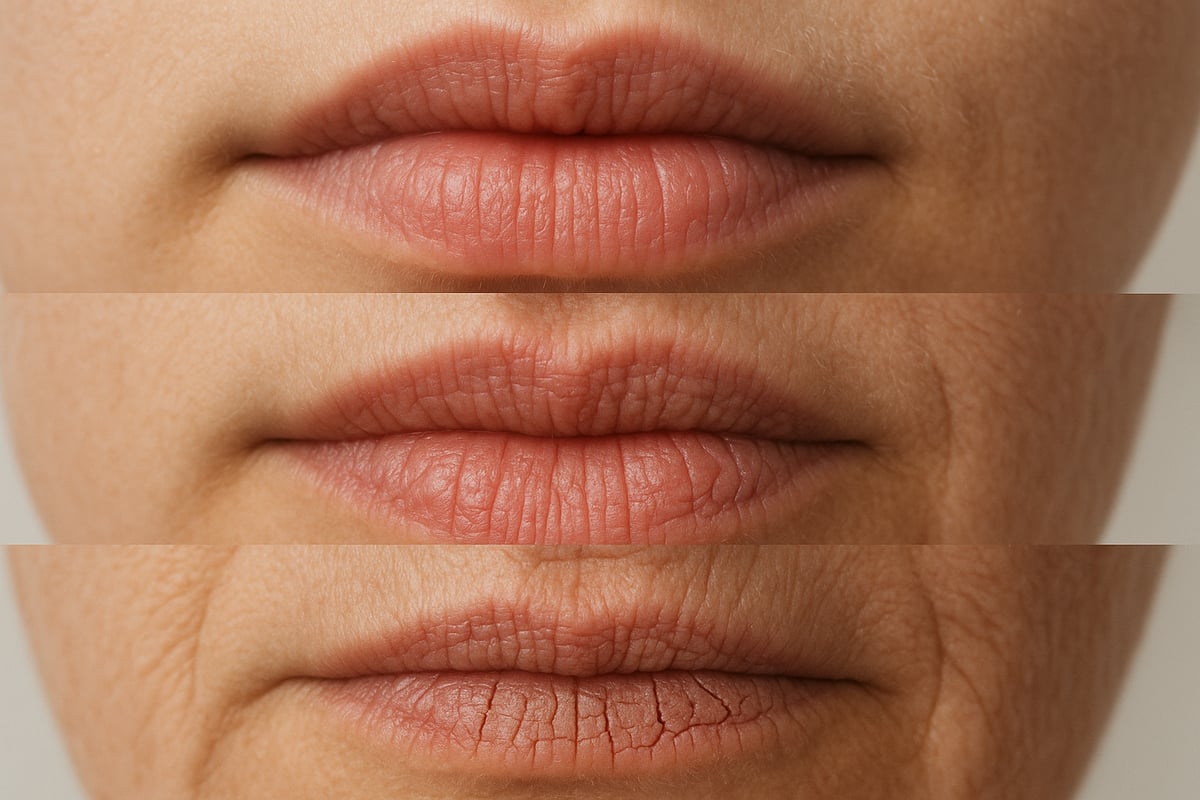
The symptoms of dry lips begin with tightness, a tingling sensation, or unusual roughness. Quickly, chapping, cracks, and sometimes peeling can appear, making smiling painful. In more advanced cases, deep fissures or bleeding indicate a situation that should not be ignored.
To better understand the origin of these symptoms and their link to dry lip care, it is helpful to consult specialized resources on the causes of chapped lips . This approach helps differentiate simple dehydration from an underlying problem.
Self-diagnosis and severity assessment
It can sometimes be difficult to distinguish between temporary dryness and a chronic condition. Appropriate dry lip care usually provides quick relief in cases of temporary irritation. However, if symptoms persist for more than two weeks or are accompanied by infection, it becomes crucial to consult a healthcare professional.
A careful self-assessment includes observing the frequency of chapping, the depth of cracks, and the possible presence of other signs such as scabs or intense pain. Don't hesitate to keep a journal to track the evolution of your condition and the effectiveness of each dry lip treatment used.
Impact on quality of life
Dry lips are not only uncomfortable, they can also disrupt social and emotional life. Difficulty eating, speaking, or smiling affects self-confidence, especially when cracks become visible. Proper care for dry lips promotes not only healing but also psychological well-being.
Furthermore, aesthetics play a significant role. Damaged lips can cause embarrassment or insecurity, especially among teenagers or those who are in the public eye. Taking care of your lips also helps preserve your quality of life and peace of mind.
Recent statistics
Recent data reveals a significant increase in dermatological consultations for dry lip problems, with a projected rise of 15% between 2022 and 2025 according to Nivea. This trend is attributed to increased exposure to environmental factors and a greater awareness of the importance of dry lip care.
The use of professional treatments and targeted products is becoming increasingly common, especially among people with sensitive skin. This underscores the importance of a suitable routine and active prevention throughout the year.
Concrete examples
Take the example of an athlete who practices outdoors: wind, sun, or cold exacerbates the fragility of the lips, making specific and regular care for dry lips essential. In children, thin skin and the tendency to lick their lips increase the risk of chapping. Seniors, for their part, experience a decrease in cell regeneration, which necessitates increased hydration.
These cases illustrate how each individual profile deserves special attention and personalized advice to effectively prevent and treat dry lips.
Good daily habits to prevent and relieve dry lips
Taking care of your lips daily is essential to avoid the discomfort associated with dryness. Dry lip care relies on simple steps to incorporate into your routine to restore comfort and softness. Let's follow the key steps together to prevent and relieve this problem, with tips adapted to all skin types.
Internal and external hydration
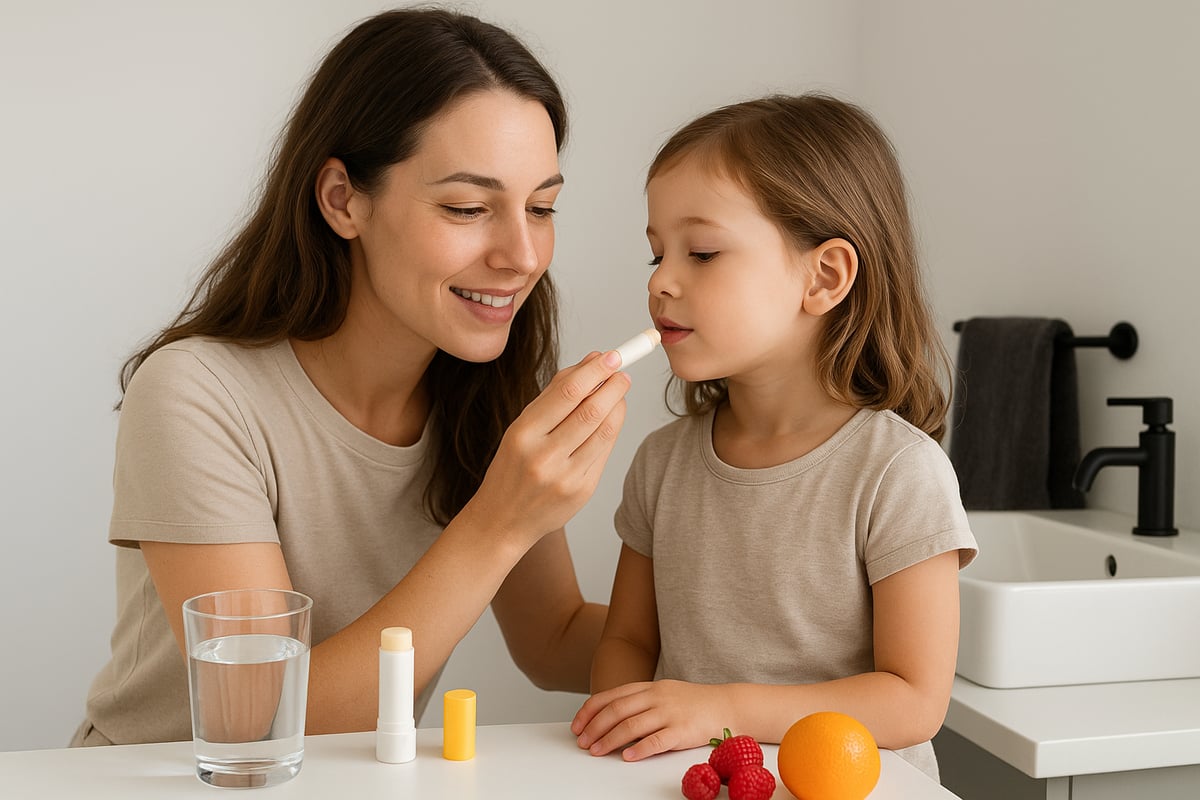
Hydration is the first step in caring for dry lips. Drinking 1.5 to 2 liters of water a day helps maintain good hydration from within. Lips, lacking sebaceous glands, depend on this overall hydration.
In addition, regularly apply a moisturizing balm specifically formulated for dry lips. Opt for formulas rich in plant butters and natural oils, without occlusive or irritating substances.
Morning and evening lip care routine
To optimize the care of dry lips, adopt a simple morning and evening routine. Gently cleanse your lips with lukewarm water or a damp cotton pad. Apply a nourishing balm, then a suitable SPF sunscreen stick if you are going out.
A gentle scrub once a week helps remove dead skin cells, promoting the penetration of moisturizing ingredients. This routine effectively prevents dryness and chapping.
Gestures to absolutely avoid
Certain habits worsen dryness and hinder the care of dry lips. Avoid licking your lips, as saliva exacerbates dehydration. Resist the urge to bite or pick at dry skin, as this can cause injury.
Avoid products containing perfume, alcohol, menthol, or dyes, which further irritate the delicate skin of the lips. A suitable, gentle, and natural lip treatment for dry lips is the best protection.
Adjusting your diet
Diet plays a key role in the care of dry lips. Favor foods rich in omega-3 (oily fish, chia seeds), vitamins B and E (nuts, avocado), and zinc (seafood, eggs).
Limit your intake of caffeine, alcohol, and salt, which promote dehydration. A balanced diet supports the effectiveness of dry lip treatments and helps prevent recurrence.
Protection against external aggressions
Lips are exposed to cold, wind, sun, and pollution. Incorporate a sunscreen stick with SPF 15 to 50 into your dry lip care routine, both in summer and winter. Remember to reapply after eating or drinking.
For optimal results, opt for products from natural and minimalist cosmetics , which respect the sensitivity of your lips while offering effective protection against daily aggressions.
Practical examples and testimonials
Dry lip care adapts to every lifestyle. An active adult can slip a moisturizing stick into their pocket, while a child will benefit from a hypoallergenic balm before school. Seniors, more prone to chapped lips, should opt for rich and protective formulas.
According to a Nivea study, 7 out of 10 people neglect sun protection for their lips. Yet, incorporating this step into your dry lip care routine makes all the difference, as evidenced by numerous users who have rediscovered soft and comfortable lips.
The best products and ingredients for dry lip care in 2026
Taking care of your lips in 2026 has never been easier or more enjoyable. Given the diversity of needs and profiles, choosing the right dry lip care product is essential for restoring comfort and softness. Let's explore the best innovations and ingredients to incorporate into your routine.
Overview of moisturizing balms and sticks
The dry lip care market offers a wide variety of balms and sticks. The choice depends on the desired texture, ingredients, and preferred format. New products for 2026 focus on clean, vegan, and refillable formulas to meet ethical expectations.
Here is a comparison of flagship products:
| Product | Texture | Strengths |
|---|---|---|
| Nuxe Honey Dream | Thick balm | Nourishing, natural |
| La Roche-Posay Cicaplast | Stick | Repairing, hypoallergenic |
| Bioderma Atoderm | Stick | Moisturizing, fragrance-free |
| Avène Cicalfate | Balm | Soothing, restorative |
| Neutrogena Nutrition | Stick | Intense protection |
| Caudalie Lip Care | Balm | Natural antioxidant |
To optimize your dry lip care, alternate between stick during the day and a richer balm in the evening.
Natural ingredients are preferable.
Natural ingredients are at the heart of effective dry lip care. Opt for shea butter, cocoa butter, argan oil, or beeswax, known for their nourishing and protective properties.
Other essential assets:
- Vegetable glycerin: deeply hydrates
- Hyaluronic acid: plumps and retains water
- Panthenol: soothes and repairs
- Vitamin E: a powerful antioxidant
Incorporating these ingredients into your routine guarantees a gentle and effective dry lip care.
Ingredients to absolutely avoid
Certain ingredients should be avoided in your dry lip care routine. Parabens, phenoxyethanol, silicones, mineral oils, synthetic dyes, and fragrances can irritate sensitive lips.
Caution is also advised with:
- Menthol, camphor, phenol: often responsible for tingling sensations
- Strong or allergenic perfumes
- Pure essential oils
A quality dry lip treatment is formulated without these controversial ingredients, to minimize the risk of reaction.
Innovations and trends 2026
By 2026, dry lip care is evolving towards more eco-friendly and intelligent solutions. Zero-waste solid balms are gaining popularity thanks to their refillable packaging and minimalist composition.
Current trends include:
- SPF50+ sun sticks for extreme conditions
- Multi-purpose formulas for hands and lips
- Innovative textures, smart connected balms
The enthusiasm for naturalness and effectiveness guides the design of every modern dry lip treatment.
Application and maintenance tips
Frequency of application is crucial for optimal dry lip care: apply your balm 3 to 6 times a day, especially after eating or drinking. Store your products away from heat and humidity to preserve their effectiveness.
Practical advice:
- Perform a gentle scrub once a week
- Apply a thick layer in the evening for overnight repair
- Use an SPF stick during the day, even in winter.
Regularity transforms dry lip care into a pleasurable and effective ritual.
Concrete examples
Many users notice a visible improvement in their dry lip care within a week using a suitable product. For example, an active person alternating between a moisturizing stick during the day and a rich balm at night sees their lips regenerate quickly.
Key statistic: 90% of users report softer lips after 7 days of dry lip care, according to Nivea.
Each experience demonstrates the importance of product choice and consistency.
The importance of choosing natural and minimalist cosmetics
Choosing a natural and minimalist lip treatment for dry lips means respecting both your skin and the environment. Short, organic, vegan formulas free of controversial substances reduce the risk of allergies and irritations, while ensuring optimal effectiveness.
The basic. philosophy advocates for skincare adapted to sensitive skin, in refillable and zero-waste packaging, for a sustainable routine. Incorporating minimalist products into your dry lip care routine is also choosing safety and simplicity.
Trust in natural lip care for responsible beauty and healthy lips.
Specific routines and protocols depending on the season and profile
Adapting your dry lip care routine throughout the year is key to keeping lips soft, comfortable, and protected. Each season and each individual requires targeted steps and suitable products. Let's discover together how to adjust your routine for visible and lasting results.
Lip care in winter
In winter, lip care becomes essential for dry lips. Cold, wind, and humidity weaken the skin barrier. To protect your lips, apply a rich moisturizing balm frequently, ideally one made with shea butter or beeswax.
- Apply a nourishing balm after each meal and before going out.
- Use a protective stick during outdoor activities (skiing, hiking).
- Avoid licking or biting your lips, as this accentuates dehydration.
For children and seniors, opt for hypoallergenic, fragrance-free formulas. Athletes, on the other hand, should choose compact, sweat-resistant sticks. With a suitable routine, dry lip care becomes an essential winter habit.
Lip care in summer
In summer, caring for dry lips remains just as important. Sun, salt, chlorine, and heat accelerate dryness. Let's incorporate an SPF 50+ sunscreen stick into our routine, reapplying it after every swim or meal.
- Drink more water and apply a light, non-sticky balm.
- Protect your lips at the beach as well as in the mountains.
- Use a gentle scrub once a week to remove dead skin.
Vacationers and outdoor workers need to be extra vigilant. For them, caring for dry lips also means choosing textures suited to sun exposure and physical activity. This summer routine helps prevent chapping and discomfort.
Routines for specific profiles
Each person has their own specific needs when it comes to dry lip care. For children, opt for fragrance-free, hypoallergenic, and dermatologically tested products. For seniors, richer formulas are preferred to prevent cracking and improve skin elasticity.
Athletes need practical, sweat-resistant, and portable lip balms. People undergoing medical treatment (retinoids, chemotherapy) should consult their pharmacist or dermatologist to choose a balm suitable for their sensitive skin.
Example of a typical routine for an active adult:
- Gentle cleansing morning and evening.
- Apply a moisturizing balm after each meal.
- Daily sun protection, even in the city.
Therefore, personalizing your dry lip care maximizes prevention and daily comfort.
Protocols for severely damaged lips
When lips are very damaged, intensive care is needed for dry lips. Repairing balms containing panthenol or hyaluronic acid are recommended, to be applied in a thick layer at night.
To accelerate repair, organic plant oils are invaluable allies. The Organic Plant Oils Collection offers natural solutions like argan or coconut oil, perfect for intensely nourishing lips.
In case of cracked lips, it is advisable to use a lip plaster or a CICA balm. If symptoms persist for more than 7 days or worsen, do not hesitate to consult a dermatologist. Adapting your dry lip care routine to the severity of the symptoms prevents complications and quickly restores comfort.
Common mistakes and misconceptions to avoid in 2026
Even with the best intentions, certain habits can be detrimental to dry lip care. Many of us fall into simple traps, thinking we're doing the right thing, but unknowingly worsen the situation. Let's explore the mistakes to avoid and the misconceptions that persist in 2026.
Common maintenance errors
Certain mistakes are common in dry lip care. The most frequent are:
- Overuse of unsuitable balms, sometimes too greasy or occlusive.
- Self-medication with products like pure petroleum jelly or essential oils, which can cause irritation.
- Forgetting to use sun protection, even in winter, when UV rays weaken the delicate skin of the lips.
These actions, thought to be beneficial, hinder the repair process and can cause a psychological dependence on the application of the balm.
Common misconceptions about dry lips
Two myths persist regarding the care of dry lips. The first: “Lips get used to the balm, you have to stop using it.” This is false. Lips, lacking sebaceous glands, need an external source of moisture to remain supple.
Another common misconception: “One product is enough for everything.” In reality, needs change depending on the season, age, and sun exposure. Adapting your skincare routine is essential for maintaining healthy lips.
Impacts of beauty trends on lip health
Beauty trends influence our dry lip care routines. Matte or long-lasting lipsticks, very popular, dry out the skin. Homemade scrubs made with sugar or salt, too abrasive, damage the natural barrier.
It's best to opt for gentle exfoliants and formulas enriched with repairing agents. Taking care of your lips also means choosing products that suit your makeup routine.
Expert advice to avoid pitfalls
Dermatologists recommend carefully reading labels and avoiding irritating ingredients such as menthol or synthetic fragrances. Opt for minimalist formulas without controversial substances.
To guide you, explore selections like the Natural Facial Care Collection , which offers skin-friendly products suitable for dry lips. Adopting a simple and reliable routine reduces the risk of allergies and irritations.
Examples and data
Studies show that 60% of people using lip balms for dry lips are using a product unsuitable for their needs or the season (source: Nivea). Worsening of the condition is also observed after excessive use of certain balms or self-medication.
For athletes, cold and wind exacerbate chapped skin. Children and seniors, being more susceptible, require special attention. Everyone can improve by avoiding these simple pitfalls.
Expert tips and innovations to follow for soft lips all year round
Taking care of your lips is much more than just a beauty ritual, especially in 2026. Dry lip care is constantly evolving, driven by professional recommendations and the latest advancements. Let's explore together the tips, innovations, and resources to adopt to keep your lips soft and healthy throughout the seasons.
Tips from dermatologists and pharmacists
For optimal care of dry lips, experts emphasize the importance of simple yet effective steps. Moisturize regularly, apply a protective balm morning and night, and opt for fragrance-free and alcohol-free formulas. Remember to gently exfoliate once a week to remove dead skin without damaging the skin barrier.
Here are some essential tips:
- Drink at least 1.5 L of water per day
- Use a balm with SPF, even in winter
- Avoid licking or biting your lips
- Choose products suited to your age and lifestyle
To find treatments that are popular with users and recommended by professionals, explore the best-selling moisturizing treatments that meet the varied needs of dry lip care.
2026 Innovations in Lip Care
The year 2026 marks a revolution in dry lip care. We're seeing the emergence of smart balms capable of detecting hydration levels and adjusting the amount dispensed. These connected sticks, synchronized with a mobile app, allow for personalized and motivating monitoring.
Laboratories are also investing in biotechnologically derived ingredients, such as plant-based hyaluronic acid and biomimetic ceramides, to enhance repair and protection. Formulas are increasingly minimalist and eco-friendly, with refillable packaging and multi-purpose textures.
Adopting these innovations means choosing a dry lip treatment that is effective, long-lasting and adapted to our modern lifestyles.
Incorporate lip care into your overall routine
Dry lip care shouldn't be isolated from the rest of your beauty routine. It's about coordinating your face, body, and lip care products to maximize effectiveness and prevent irritation. For example, after cleansing your face, apply your lip balm to strengthen the skin barrier.
Remember to adapt your routine when traveling, in case of climate changes, or during sports activities. A lip balm becomes essential in the mountains or at the beach. For children or seniors, opt for hypoallergenic formulas rich in repairing agents, always with a focus on customized dry lip care.
Resources and tools to go further
Numerous digital tools now make caring for dry lips easier. Apps allow you to track your lip hydration levels, remind you to apply lip balm, or diagnose your lip condition online. Specialized platforms offer a selection of natural and ethical cosmetics, tested for their effectiveness.
The dry lip care market is experiencing dynamic growth, with an increase of 12% per year since 2024. According to this report on the lip balm market , innovation and demand for natural formulas are driving this sector.
Don't hesitate to consult expert opinions, exchange ideas with online communities, and try different routines to find what works best for you. Taking care of your lips is also about giving yourself a moment of softness and well-being every day.
After exploring together all the secrets to taking care of your lips in 2026, you'll see how simple steps and natural products can truly make all the difference. At basic., we believe that beauty lies in simplicity and respect for both your skin and the planet. If you're looking to switch to a minimalist and effective routine, why not take the plunge and discover for yourself the difference that natural and vegan formulas make? Let's think about our well-being together: try it now!