


Chapped lips winter care: Complete guide 2026
Discover our expert tips for chapped lip care this winter. Natural solutions, effective routines, and tricks to protect your lips.

Winter 2026 arrives with its share of challenges for our skin, especially for our lips. The cold, icy wind, and dry air from heated interiors put our lips to the test. This delicate skin barrier, lacking sebaceous glands, requires special attention during this season. Chapped lip care in winter thus becomes an absolute priority to maintain daily comfort and beauty. Understanding the mechanisms that weaken our lips and adopting the right habits allows us to get through the cold season with a smile.
Why Our Lips Suffer Particularly in Winter
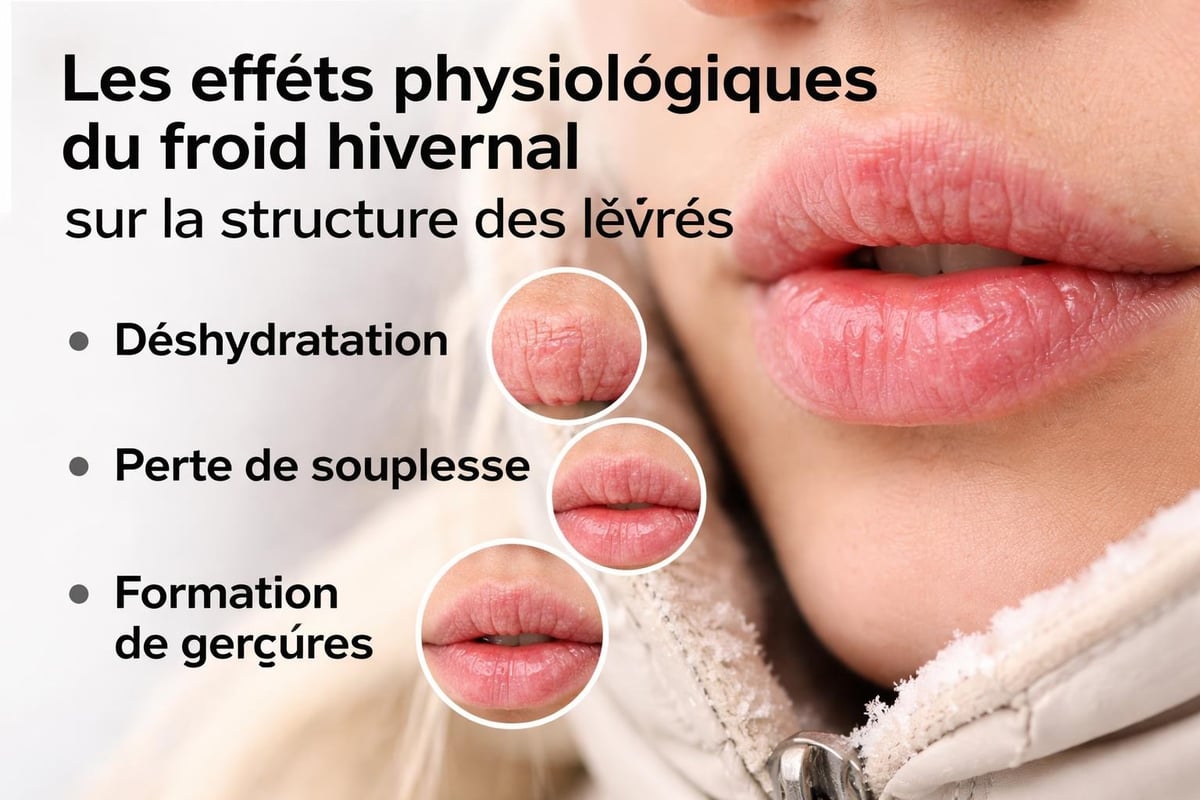
The skin on our lips has a unique structure that makes it extremely vulnerable to winter aggressions. Unlike the rest of our face, it does not have sebaceous glands capable of producing protective sebum.
This absence of a natural hydrolipidic film directly exposes our lips to temperature variations. When the mercury drops, the humidity in the air decreases considerably, causing rapid dehydration of the tissues.
Aggravating Factors in Winter
The contrast between the cold outdoor air and the warmth of indoor spaces creates a real thermal shock. Our lips undergo these abrupt transitions several times a day, weakening their protective barrier.
The main enemies of your lips in winter:
- The icy wind that instantly dehydrates
- Indoor heating that dries out the atmosphere
- Repeated temperature variations
- UV exposure that persists even in cold weather
- Urban air pollution
The humidity level in the air can drop to 20% in winter, while our lips need at least 60% to remain supple. This difference explains why chapped lip care in winter becomes so crucial during this period.
Mistakes to Absolutely Avoid
Many people adopt reflex actions that worsen the condition of their chapped lips. Identifying these bad habits is the first step towards lasting healing.
Licking your lips is the number one mistake. This instinctive gesture provides immediate relief but accentuates dehydration. Saliva evaporates quickly, taking with it the remaining natural hydration.
Common Daily Traps
Using unsuitable products can turn simple discomfort into a real problem. Balms containing synthetic fragrances, menthol, or mint create a deceptive sensation of freshness while further irritating delicate tissues.
| Common Mistake | Consequence | Healthy Alternative |
|---|---|---|
| Licking your lips | Increased dehydration | Apply a nourishing balm |
| Picking at dead skin | Bleeding and infections | Gentle weekly exfoliation |
| Fragrant balms | Irritation and allergies | Minimalist natural formulas |
| Forgetting UV protection | Premature aging | Daily SPF even in winter |
Some common mistakes in lip care may seem harmless but seriously compromise healing. Picking at dead skin, for example, creates micro-lesions that promote infections.
The choice of toothpaste also deserves attention. Formulas containing sodium lauryl sulfate can irritate the lip contour. Opt for milder versions, especially if you suffer from recurrent chapping.
Star Natural Ingredients for Your Lips
Nature abounds with treasures for winter chapped lip care. Minimalist formulations, concentrated in effective active ingredients, offer the best results without overloading sensitive skin.
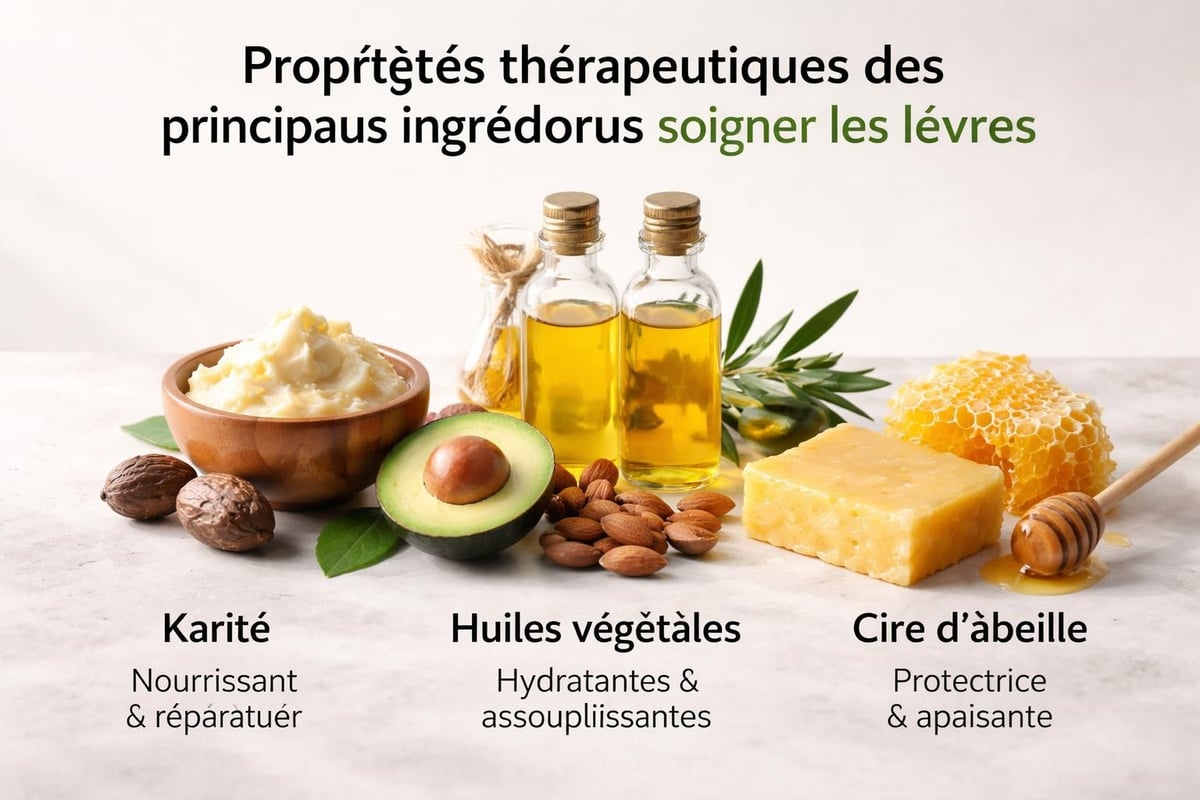
Shea butter is among the must-haves thanks to its richness in vitamins A and E. Its creamy texture forms a durable protective film that insulates the lips from external aggressions.
Vegetable Oils and Their Benefits
The best oils to repair your lips:
- Sweet almond oil: soothes and deeply nourishes
- Jojoba oil: naturally regulates hydration
- Avocado oil: restorative for severe chapping
- Castor oil: creates an intense protective barrier
- Coconut oil: antibacterial and ultra-nourishing
Beeswax is another precious ally. It seals in moisture while allowing the skin to breathe, creating optimal protection against the biting cold of Winter 2026.
At basic., we favor this minimalist approach with formulas that contain only essential ingredients, in the right dose, to respect the natural sensitivity of your lips.
Daily Routine for Protected Lips
Establishing an effective routine radically transforms the health of your lips during winter. Regularity takes precedence over intensity: frequent applications with suitable products are better than occasional, even very rich, treatment.
Morning: Prepare and Protect
Start your day by gently cleansing your lips with lukewarm water. Pat dry gently, never rub.
Essential morning steps:
- Gentle cleansing with lukewarm water
- Application of a hydrating serum if necessary
- Protective balm rich in natural active ingredients
- UV protection even on cloudy days
- Reapply before going out
Applying a balm before makeup creates a smooth, protective base. Wait a few minutes for it to penetrate before applying your lipstick if you wear one.
Evening: Repair and Nourish
Night is the ideal time for intensive winter chapped lip care. Your skin naturally regenerates during sleep; take advantage of this to maximize repair.
Gentle weekly exfoliation removes dead skin without aggressing it. Mix organic honey with a little fine sugar for a natural and effective scrub. Gently massage in circular motions, then rinse with lukewarm water.
Then generously apply your repairing balm. Formulas rich in shea butter and vegetable oils intensely nourish throughout the night. Dermatologists recommend this approach to effectively treat severe chapping.
For a shock treatment, layer: hydrating serum, then nourishing balm, and finish with a touch of pure vegetable oil. This "slugging" technique for lips provides spectacular results in a single night.
Express Solutions for Relieving Chapped Lips
Even with the best routine, chapping can occur. Having emergency solutions allows for quick reactions and prevents worsening.
Raw honey is an ancient remedy that is remarkably effective. Its antibacterial and healing properties instantly soothe. Apply a thin layer and leave on for fifteen minutes before gently rinsing.
| Natural Remedy | Action Time | Main Benefit | Frequency |
|---|---|---|---|
| Raw honey | 15 minutes | Rapid healing | 2x/day |
| Aloe vera gel | 10 minutes | Immediate soothing | 3x/day |
| Pure shea butter | Overnight | Deep repair | Daily |
| Coconut oil | 20 minutes | Intense hydration | 2x/day |
Ultra-Repairing Homemade Masks
SOS winter mask recipe:
- 1 teaspoon shea butter
- 1/2 teaspoon sweet almond oil
- 1 drop vitamin E
- A touch of honey
Melt the shea butter in a double boiler, incorporate the other ingredients. Apply generously to your lips and leave on for a minimum of 20 minutes. This mask can even be used overnight for severe cases.
Crushed avocado mixed with a little olive oil also offers an immediate repairing solution. Its richness in essential fatty acids deeply restores the natural protective film.
Prevention: Anticipate Rather Than Cure
The best strategy for winter chapped lip care remains prevention. Starting to protect your lips from the first chills of autumn avoids many discomforts.
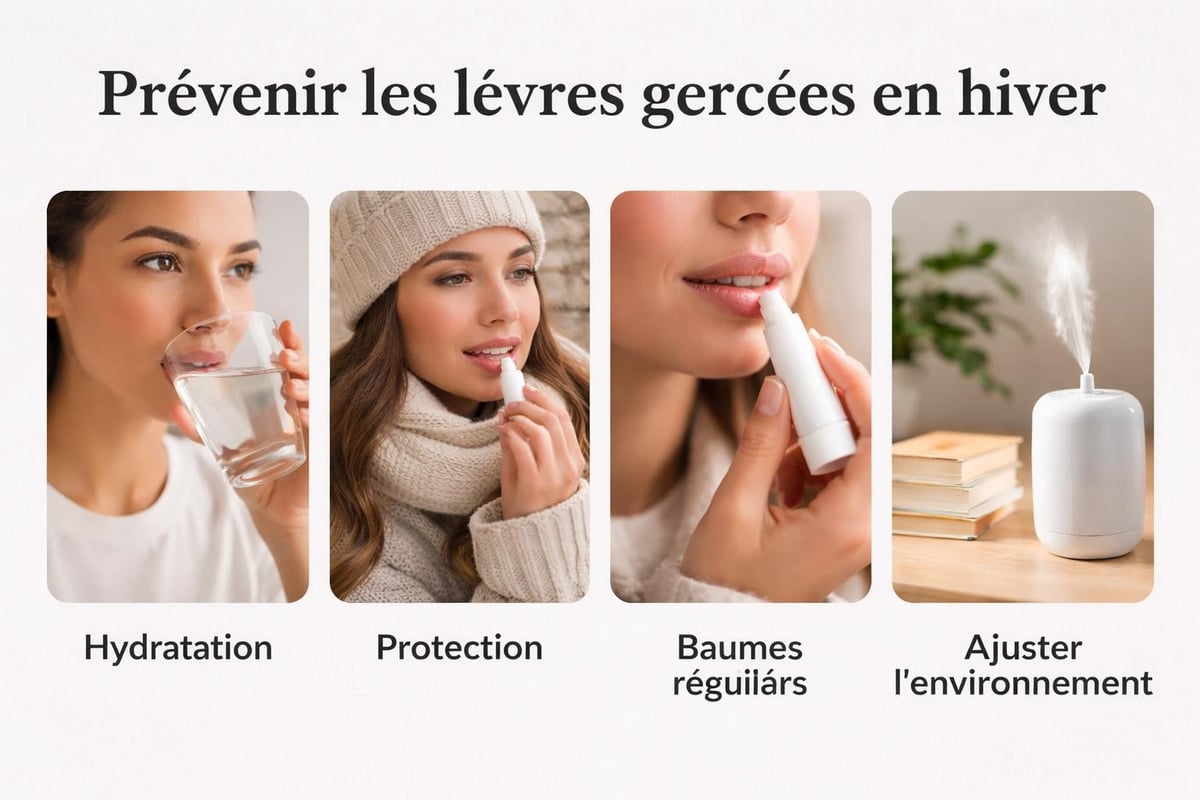
Investing in a humidifier transforms the atmosphere of your home. Maintaining a humidity level between 40 and 60% preserves the natural hydration of your skin and lips.
Daily Protective Actions
Internal hydration plays a fundamental role that is often overlooked. Drinking at least 1.5 liters of water per day maintains cellular hydration. In winter, we feel less thirsty, but our hydration needs remain the same.
Physically protect your lips when you go out. A scarf pulled up over the lower part of your face creates an effective barrier against the icy wind. This simple precaution significantly reduces direct exposure to the cold.
Daily prevention checklist:
- Apply balm before each outing
- Wear a scarf in windy weather
- Use a humidifier indoors
- Drink regularly even if not thirsty
- Avoid breathing through your mouth
- Reapply every 2 hours
The five essential gestures recommended by experts systematically include protection before cold exposure. Never go out without having applied your protective balm.
Choosing the Right Lip Balm
The market is full of products, but not all are equal for winter chapped lip care. Decoding labels and understanding formulations allows for informed choices.
Favor short compositions with recognizable ingredients. An effective formula does not require thirty different components. On the contrary, a few well-dosed active ingredients offer superior results.
Deciphering Formulations
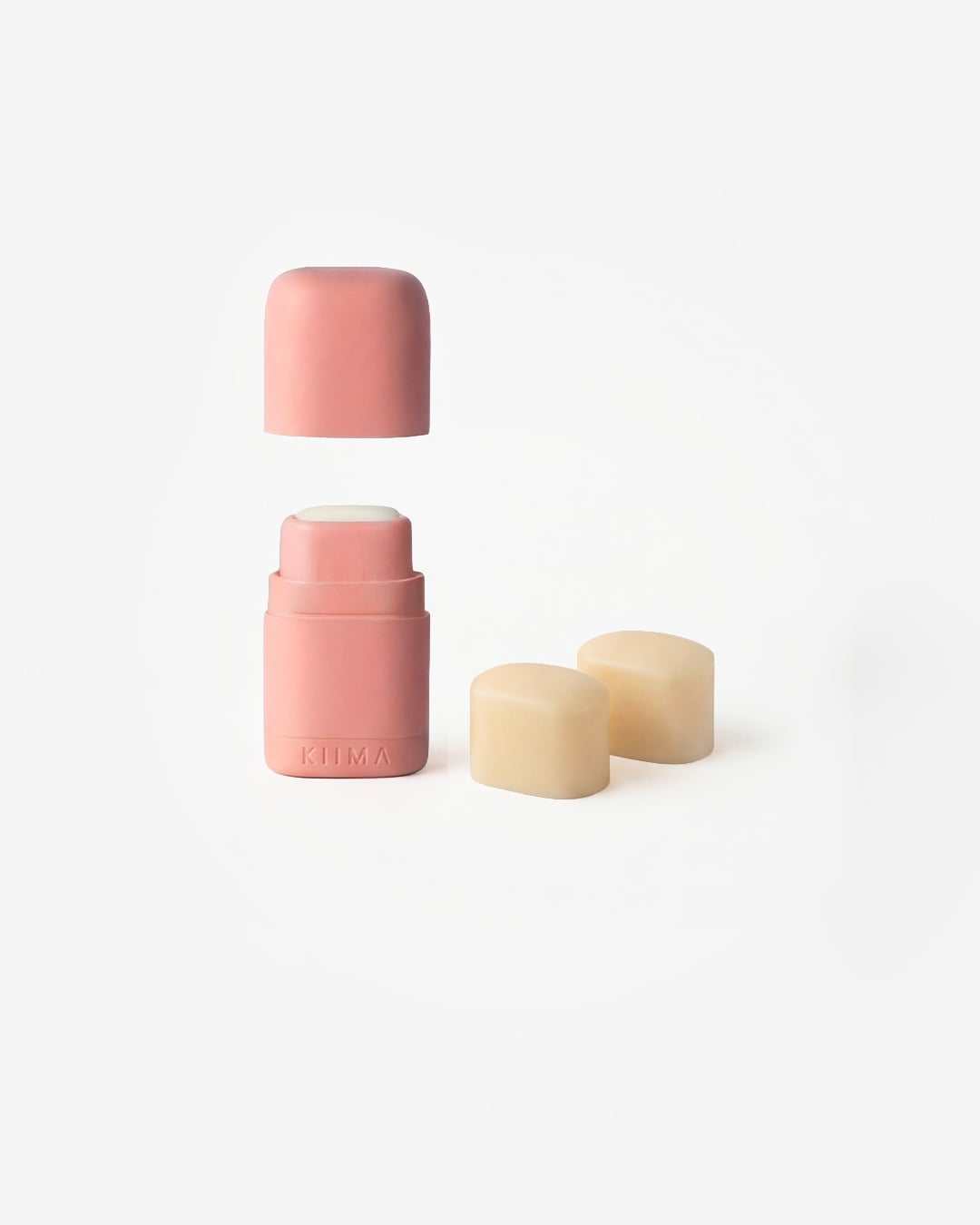
Refillable balms represent a major innovation in 2026, combining efficiency and environmental responsibility. This minimalist approach drastically reduces plastic waste while ensuring optimal care.
The my refillable lip balm - starter kit perfectly illustrates this philosophy: a formula concentrated in natural active ingredients, a durable applicator, and the possibility of simple refilling. Nourished and protected lips without multiplying disposable packaging.
Criteria for selecting a good balm:
- Vegetable butter base (shea, cocoa, mango)
- Nourishing oils (almond, jojoba, avocado)
- Absence of synthetic fragrances
- Organic certification preferably
- Integrated UV protection
- Non-sticky texture
- Minimalist formulation
Beware of products that provide an intense sensation of freshness. Menthol and peppermint, while giving an impression of relief, dry out the lips more in the medium term.
Diet and Lip Hydration
The beauty of your lips is also built from within. A diet rich in certain nutrients naturally strengthens their resistance to winter aggressions.
Omega-3 fatty acids play a crucial role in maintaining skin elasticity. Regularly incorporate fatty fish, nuts, and flaxseeds into your diet.
Essential Vitamins for Healthy Lips
| Vitamin | Food Sources | Benefit for Lips |
|---|---|---|
| Vitamin A | Carrots, sweet potatoes, spinach | Cell regeneration |
| Vitamin E | Almonds, avocado, olive oil | Antioxidant protection |
| Vitamin C | Citrus fruits, kiwi, peppers | Collagen production |
| B Vitamins | Whole grains, legumes | Natural hydration |
| Zinc | Pumpkin seeds, lentils | Rapid healing |
Zinc deserves special attention. This mineral accelerates the healing of chapping and strengthens the skin barrier. A zinc deficiency often manifests as recurrent chapped lips.
Water remains your best ally. Unsweetened herbal teas also count towards your daily fluid intake. However, avoid overly hot drinks that can irritate your already fragile lips.
The good eating habits truly change everything in preventing chapped lips. Consider your plate as a primary beauty treatment.
Adjusting Your Routine Based on Severity
Not all cases of chapping require the same approach. Correctly assessing the condition of your lips allows you to adjust the intensity of care.
Mild Chapping: Preventive Maintenance
For merely dry lips without cracks, a basic routine is sufficient. Apply your balm three to four times a day, especially before cold exposure.
Maintain this routine even when your lips seem better. Abrupt cessation of care often causes a rapid relapse in the middle of winter.
Moderate Chapping: Intensive Treatment
Lips with flaking and some roughness require a more sustained approach. Increase the frequency of application to at least six times a day.
7-day intensive program:
- Ultra-gentle exfoliation (day 1 only)
- Application of hydrating serum morning and evening
- Repairing balm every 2 hours
- Nourishing mask every evening
- Systematic protection before any outing
- Total elimination of irritating products
- Vitamin supplementation if necessary
This intensive routine usually shows visible results from the third day. Nevertheless, continue the complete treatment to consolidate healing.
Severe Chapping: Urgent Intervention
Cracked, bleeding, or scabbing lips require medical consultation. An infection can quickly develop on these open lesions.
While awaiting a medical appointment, apply raw honey several times a day for its antibacterial properties. Avoid all contact with potentially irritating products, including certain toothpastes.
The advice from specialized dermatologists emphasizes the importance of not neglecting persistent chapping. A consultation can rule out underlying pathologies such as eczema or labial psoriasis.
Sun Protection: The Forgotten Angle of Winter
The most common mistake in winter chapped lip care is neglecting sun protection. UV rays remain dangerous even on cloudy or snowy days.
Snow reflects up to 80% of UV rays, creating double exposure that is particularly aggressive for your lips. Winter sports amplify this phenomenon, with altitude further intensifying exposure.
Choosing the Right UV Protection
Look for balms offering a minimum SPF of 15, ideally 30 for optimal protection. This protection should be renewed every two hours during prolonged exposure.
Mineral filters like zinc oxide or titanium dioxide are better suited for sensitive lips than chemical filters. They create a physical barrier without penetrating the tissues.
Critical moments requiring UV protection:
- Mountain or countryside walks
- Winter sports (skiing, snowshoeing, sledding)
- Sunny days even if cold
- Prolonged car journeys
- Winter water activities
Remember that windows partially filter UVB but let through UVA rays responsible for premature aging. Protect your lips even in the car or behind a window.
Special Cases and Sensitivities
Some people have an increased vulnerability to winter chapping. Identifying these factors allows for even better adaptation of your winter chapped lip care routine.
Individuals undergoing dermatological treatment, particularly retinoids or isotretinoin, experience amplified skin dryness. These treatments reduce sebum production throughout the body.
Sensitive and Allergic Lips
Allergic reactions to lip balms are more common than one might think. Fragrances, preservatives, and certain essential oils are among the main allergens.
If your lips worsen despite regular product use, suspect a contact allergy. Switch to an ultra-minimalist formula containing only shea butter and a neutral vegetable oil.
People suffering from atopic dermatitis require specific formulations, completely free of potential allergens. Certified organic and vegan products, such as those offered by basic., significantly limit these risks.
Signs of allergy to watch for:
- Redness around the lips
- Persistent itching
- Unusual swelling
- Appearance of small blisters
- Worsening despite care
An allergological consultation can precisely identify problematic substances via patch tests. This approach avoids years of therapeutic wandering.
Myths and realities about chapped lips
Many beliefs circulate regarding winter chapped lip care. Separating fact from fiction optimizes the effectiveness of your routine.
Myth: Drinking plenty of water is enough to hydrate lips. Reality: Internal hydration helps but does not replace the topical application of protective products. Since lips do not have sebaceous glands, they require external protection.
Myth: Balms create dependence. Reality: There is no physiological addiction. If you feel like you constantly need it, it's because your product isn't nourishing enough or contains irritating ingredients.
Myth: Daily exfoliation speeds healing. Reality: Excessive exfoliation traumatizes delicate tissues. Once a week maximum is ample, with ultra-gentle products.
Myth: Greasy balms make lips lazy. Reality: This idea has no scientific basis. Lips do not "unlearn" how to hydrate themselves since they never had this intrinsic ability.
The recommended natural solutions are based on active ingredients proven for generations. Nature offers everything your lips need, without unnecessary artifice.
Impact of lifestyle on lip health
Your daily habits directly influence your lips' resistance to winter rigors. A few simple adjustments amplify the effectiveness of your winter chapped lip care routine.
Smoking significantly dries out the lips and slows their regenerative capacity. Hot smoke and the chemicals in cigarettes constantly attack this sensitive area.
Excessive alcohol consumption dehydrates the entire body, quickly impacting the condition of your lips. Moderate your consumption and systematically compensate with increased hydration.
Stress and hormonal balance
Chronic stress disrupts overall skin balance. Cortisol, the stress hormone, alters the skin's protective barrier and promotes inflammation. Persistently chapped lips can signal an excessively high stress level.
Hormonal fluctuations, particularly in women, also influence lip health. Certain periods of the menstrual cycle make lips more vulnerable to external aggressions.
Practicing stress management techniques such as meditation, yoga, or simply regular walks significantly improves the overall condition of your skin, including your lips.
Lifestyle factors to optimize:
- Sufficient sleep (7-8 hours minimum)
- Regular physical activity
- Effective stress management
- Balanced and varied diet
- Limiting stimulants (coffee, alcohol, tobacco)
- Reasonable screen exposure
The quality of your sleep plays a major role in cell regeneration. It is during the night that your body repairs the damage accumulated during the day. Sleeping enough maximizes the effectiveness of your nighttime care.
Caring for your lips in winter requires a holistic approach combining prevention, appropriate care, and attention to your body's signals. Natural and minimalist solutions offer the best lasting results without harming this sensitive area. At basic., we believe in the power of simple yet perfectly dosed formulas, respectful of your skin and the environment. Discover our range of natural and organic skincare designed to effectively protect your lips throughout winter 2026.