


Repairing Chapped Lips: A Complete Guide 2026
Discover how to repair chapped lips naturally. Causes, solutions, and suitable treatments to restore soft, hydrated lips.

Chapped lips are a problem we all know, especially during the winter months or periods of skin stress. This delicate area of our face deserves special attention, as its unique structure makes it vulnerable to external aggressors. Fortunately, repairing chapped lips isn't impossible, and with the right techniques and suitable natural products, you can quickly regain soft and comfortable lips.
Why do your lips dry out so easily?
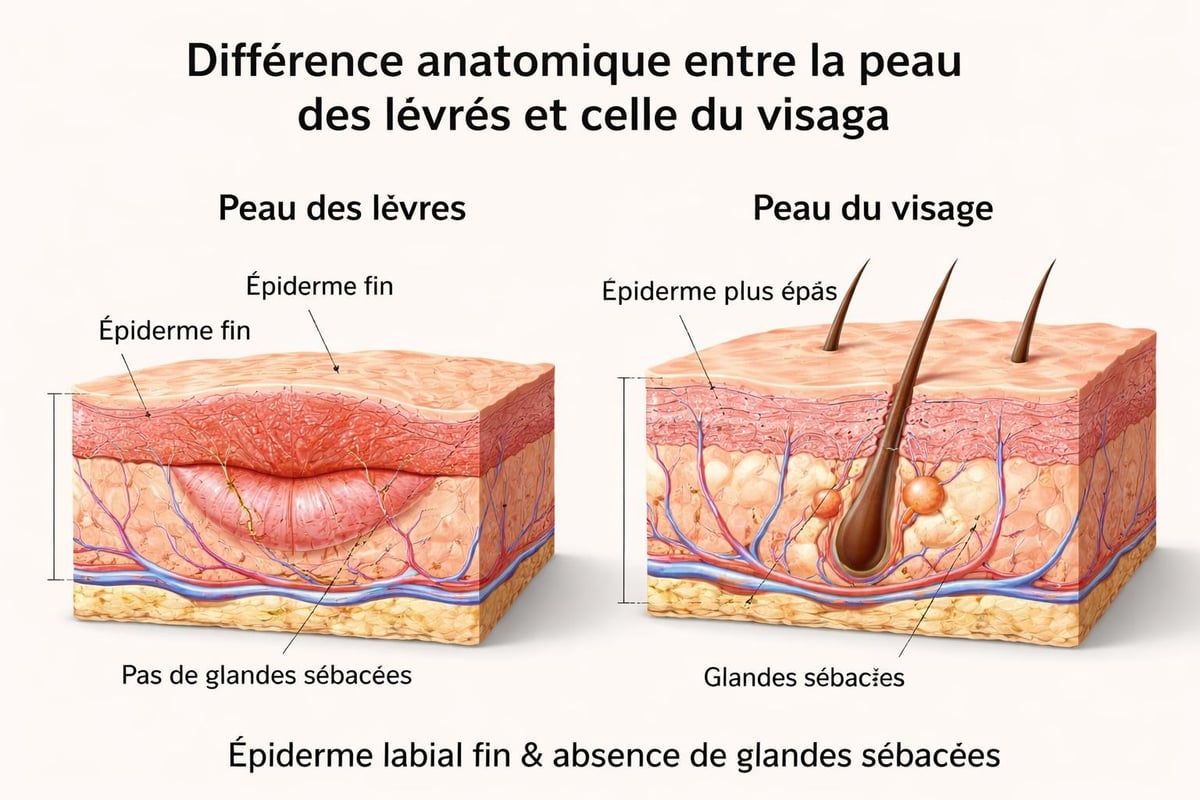
The skin on your lips is fundamentally different from the rest of your face. It is much thinner and does not have sebaceous glands, which explains why it dehydrates so quickly.
A virtually non-existent natural barrier
Unlike facial skin, which naturally produces sebum for protection, your lips rely solely on saliva and external care to maintain their hydration. This anatomical peculiarity makes them particularly sensitive to climatic variations.
The main causes of drying out include :
- Exposure to cold and winter wind
- Indoor heating dries out the ambient air
- The habit of frequently licking one's lips
- Insufficient daily hydration
- Certain drug treatments
- Nutritional deficiencies in vitamins A, B and E
The skin of the lips requires specific protection due to its thinness and vulnerability to external aggressions.
Signs that indicate your lips need repair
Recognizing the early signs of damaged lips allows you to act quickly before the problem worsens.
Your lips send you clear signals when they are in pain. A feeling of tightness is usually the first indicator, followed by a rough texture to the touch.
| Stadium | Symptoms | Emergency treatment |
|---|---|---|
| Light | Tightness, slight dryness | Moderate |
| Moderate | Peeling, small cracks | Important |
| Severe | Deep cracks, bleeding, pain | Urgent |
When the situation becomes worrying
Chapped lips can develop into painful, bleeding cracks, creating entry points for infection. In these cases, repairing chapped lips becomes a top priority to prevent complications.
Daily steps to prevent dehydration
Prevention remains your best ally for maintaining healthy lips all year round. Adopting a few simple habits can significantly reduce the risk of chapping.
Habits to adopt immediately :
- Drink at least 1.5 liters of water per day
- Absolutely avoid licking your lips
- Protect your lips from the sun with an SPF balm
- Use an air humidifier in winter
- Breathe through your nose rather than your mouth
Internal hydration plays a crucial role in the health of your lips. Skin that is well-hydrated from within is more resistant to external aggressors.
Food at the service of your lips
Certain nutrients are essential for maintaining the elasticity and suppleness of your lips. Omega-3 fatty acids, B vitamins, and vitamin E contribute directly to cell repair.
Incorporating nutrient-rich foods like avocados, nuts, oily fish, and leafy green vegetables into your daily diet naturally strengthens the skin barrier of your lips. These nutrients also support the effectiveness of any external facial treatments you apply.
Natural solutions for effective repair
Natural ingredients offer remarkable restorative properties to treat chapped lips without harsh chemicals.
The winning trio of vegetable oils
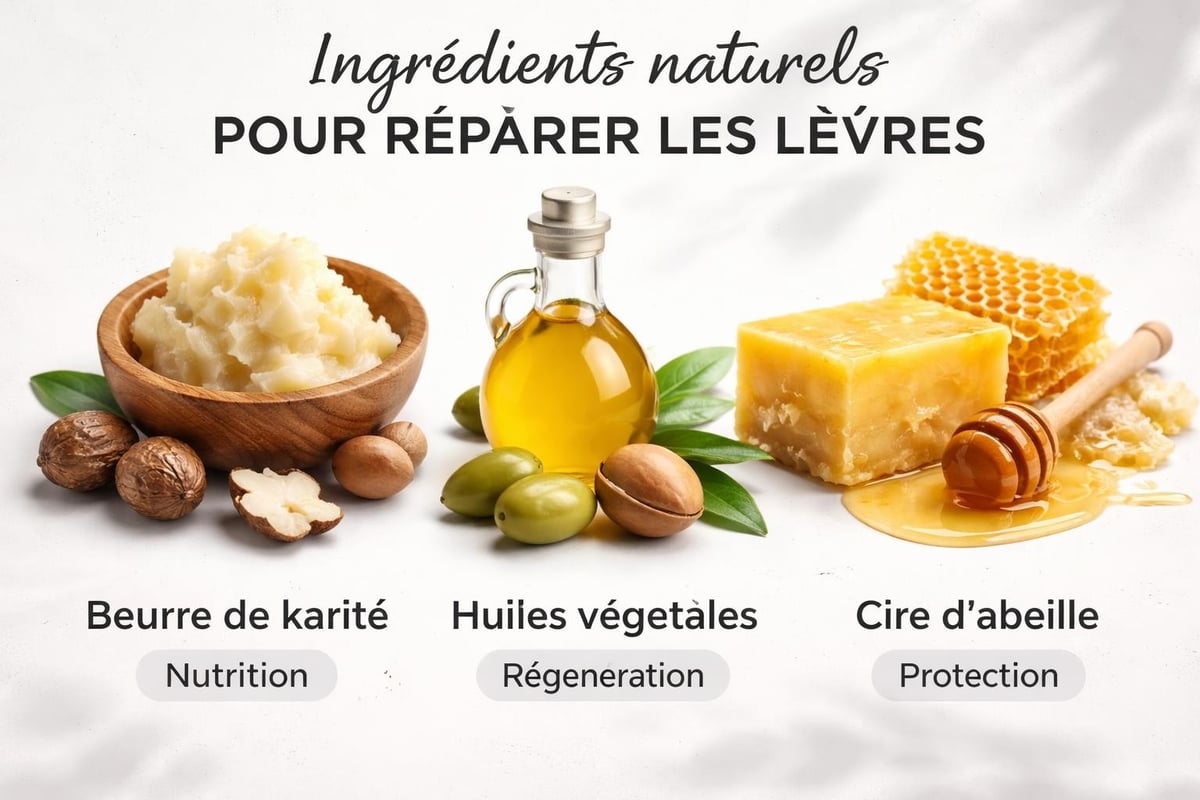
Cold-pressed vegetable oils are the ideal base for repairing chapped lips. Their richness in essential fatty acids intensely nourishes fragile skin.
The star oils for your lips :
- Sweet almond oil : soothes and softens immediately
- Jojoba oil : regulates the natural lipid balance
- Argan oil : regenerates damaged tissues
- Macadamia oil : absorbs quickly without leaving a greasy residue
Organic sweet almond oil is particularly recommended for its exceptional gentleness and its ability to repair sensitive skin.
Shea butter, the ultra-nourishing ally
This treasure of natural cosmetics possesses unparalleled healing and protective properties. Its rich texture creates a protective film that retains moisture while allowing the skin to breathe.
Apply a thin layer of pure shea butter to your lips before bed for an intensive overnight treatment. When you wake up, your lips will be visibly softer and chapped lips will begin to heal.
Homemade recipes for healing balms
Creating your own lip care products allows you to control exactly what you apply to your lips while customizing the formulas to suit your needs.
Express repair balm for beginners
This simple recipe requires only three ingredients and can be prepared in less than ten minutes.
Ingredients needed :
- 2 tablespoons of shea butter
- 1 tablespoon of coconut oil
- 1 teaspoon of grated beeswax
Melt all the ingredients in a double boiler, mix thoroughly, then pour into a small jar. Let it cool completely before using. This balm will keep for up to six months at room temperature.
Natural balm recipes can be enriched according to your preferences with soothing essential oils.
Intensive formula for severe chapped skin
For more critical situations requiring deep repair of chapped lips, this concentrated formula works wonders.
| Ingredient | Quantity | Function |
|---|---|---|
| Shea butter | 3 tablespoons | Intense nutrition |
| Organic avocado oil | 1 tbsp | Regeneration |
| Candelilla wax | 1 tsp | Protection |
| Vitamin E | 3 drops | Antioxidant |
Follow the same preparation process as for the express balm. This richer version is ideal for very damaged lips that require faster repair.
Mistakes to absolutely avoid
Some everyday actions that we think are harmless actually worsen the condition of our chapped lips.
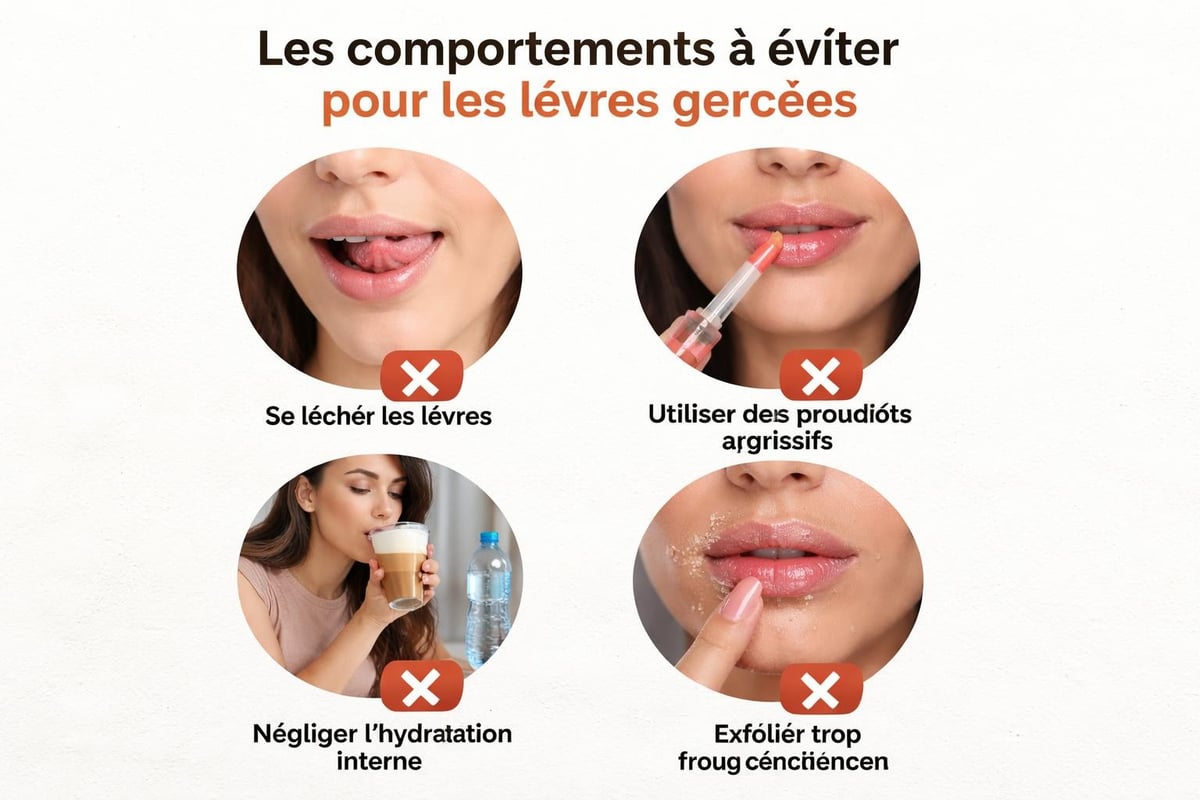
Licking your lips is the number one mistake most people make. This natural reflex provides temporary relief but dramatically worsens dryness.
Products to avoid for your delicate lips
Blacklist of aggressive ingredients :
- Balms containing menthol or peppermint (drying effect)
- Matte lipsticks without a moisturizing base
- Products with synthetic fragrances
- Formulas containing alcohol
- Exfoliants that are too abrasive when used daily
Conventional cosmetics often contain petroleum derivatives that create an illusion of hydration without actually nourishing the skin. Always opt for natural skincare products formulated with recognizable ingredients.
Exfoliation: in moderation only
Exfoliating your lips might seem like a good idea to remove dead skin, but this practice should remain exceptional. On already fragile lips, exfoliation risks worsening the damage and delaying healing.
If you absolutely must exfoliate, use an ultra-gentle mixture of honey and fine sugar, and limit yourself to a maximum of once a week. Then, immediately apply a generous amount of restorative cream.
7-day intensive care protocol
When your lips are seriously damaged, following a structured protocol significantly accelerates the repair of chapped lips.
Day-by-day schedule :
Days 1-2 : Maximum hydration
- Drink at least 2 liters of water
- Apply balm every 2 hours
- Avoid all makeup on the lips
Days 3-4 : Active Repair
- Continue intensive hydration
- Pure honey mask for 15 minutes in the evening
- Apply pure vegetable oil before bedtime
Days 5-7 : Consolidation
- Maintain regular application of the balm
- Gradually introduce a tinted treatment if necessary
- Always protect from UV rays
This intensive protocol typically shows visible results by the third day. The treatments for sensitive areas in autumn can be adapted for all seasons.
How to choose the right repairing balm
Faced with the plethora of products available, identifying the one that will perfectly suit your lips requires some knowledge.
Deciphering the INCI list
The composition of a balm immediately reveals its quality. The first ingredients listed are those most concentrated in the formula.
Ingredients to look for first :
- Butyrospermum parkii (shea butter)
- Cera alba (beeswax)
- Prunus amygdalus dulcis oil (sweet almond oil)
- Simmondsia chinensis oil (jojoba oil)
- Tocopherol (natural vitamin E)
A good repairing balm should contain only a handful of easily identifiable ingredients. This minimalist philosophy ensures effectiveness without overloading the skin.
Texture and absorption
A quality balm should absorb gradually without leaving a thick, sticky film. It provides effective protection while allowing the skin to breathe.
Test the product on the back of your hand: it should melt on contact with body heat and spread easily. This ability to transform upon contact with the skin ensures good absorption of the repairing active ingredients.
The importance of sun protection for your lips
We rarely think about protecting our lips from the sun, yet they are constantly exposed and particularly vulnerable to UV rays.
Ultraviolet rays damage skin cells and accelerate aging. On already chapped lips, this exposure delays healing and can even cause further damage.
Choose a balm with SPF protection
By 2026, many natural cosmetics brands will be offering balms enriched with natural mineral filters. Zinc oxide and titanium dioxide provide effective protection without controversial ingredients.
Apply your SPF balm every two hours during prolonged sun exposure, just as you would with a regular sunscreen. This simple habit prevents the cumulative damage that weakens the delicate skin of your lips.
To prevent and repair dry and chapped lips , daily sun protection is a fundamental pillar.
Specific care depending on the season
Your lips don't have the same needs in January as in July. Adapting your seasonal routine optimizes repair and prevention.
Enhanced winter protocol
Cold, wind, and indoor heating form a formidable trio for your lips. This season demands maximum vigilance.
Recommended winter routine :
- Ultra-rich balm applied before each outing
- Nourishing shea butter mask twice a week
- Humidifier in heated rooms
- A scarf partially covering the mouth in very cold weather
The winter bandage-effect treatment offers enhanced protection during the harshest months.
Summer adaptation
Summer brings its share of challenges: intense sun, chlorine from swimming pools, air conditioning, and salty air. Your strategy for repairing chapped lips needs to adapt.
Opt for lighter formulas enriched with aloe vera to soothe any sunburn. Reapply your sunscreen every hour when swimming, as water quickly washes away the balms.
Express solutions for emergency situations
Sometimes your lips suddenly crack and you need immediate relief before you can apply a full treatment.
Honey, your natural savior
Honey has exceptional antibacterial and healing properties. In an emergency, apply a thin layer of raw honey to your lips and leave it on for fifteen minutes.
This emergency solution instantly hydrates, soothes pain, and kick-starts the healing process. You can safely repeat the application several times a day.
Coconut oil for quick relief
If you have nothing else on hand, coconut oil is an excellent substitute. It forms an immediate protective barrier and quickly relieves discomfort.
Always keep a small jar of coconut oil in your bag. It has multiple uses and remains stable even when traveling. For long-lasting natural skincare , putting together an emergency kit is a wise idea.
The holistic approach to lip health
Your lips reflect your overall health. A holistic approach yields far superior results to purely external treatments.
Chronic stress, lack of sleep, and nutritional deficiencies quickly manifest in this sensitive area. Observing the condition of your lips can even alert you to internal imbalances requiring medical attention.
Beneficial dietary supplements
Certain nutrients specifically support skin health and accelerate the repair of chapped lips from within.
| Complement | Daily dosage | Benefits for the lips |
|---|---|---|
| Vitamin E | 15 mg | Antioxidant, healing |
| Omega-3 | 1000-2000 mg | Anti-inflammatory |
| Zinc | 10-15 mg | Cellular Repair |
| Vitamin B complex | According to RDA | Skin health |
Always consult a healthcare professional before starting any supplementation, particularly if you are already taking medication.
When to consult a professional
Most chapped skin resolves with proper care, but certain signs should alert you.
Lips that remain chapped despite two weeks of intensive care may indicate an underlying problem. Fungal infections, allergic reactions, or certain deficiencies require medical diagnosis.
Warning signs requiring consultation :
- Frequent and heavy bleeding
- Infected fissures (redness, heat, pus)
- Chronic chapped skin resistant to all treatments
- Significant or asymmetrical swelling
- Suspicious changes in color or texture
A dermatologist can identify the exact cause and prescribe appropriate treatment if necessary. Remedies for repairing chapped lips sometimes include complementary medical solutions.
Maintaining lasting results
Once your lips are repaired, the goal becomes preserving this regained health in the long term.
Consistency is the key to success. Applying your protective balm every morning and every evening should become as automatic as brushing your teeth.
Create an effective daily routine
Morning :
- Gentle cleaning with lukewarm water
- Application of a light vegetable oil
- Protective balm with SPF
Evening :
- Gentle makeup removal if necessary
- Rich Repair Balm
- Intensive weekly treatment (honey mask)
This simple yet rigorous routine keeps your lips in optimal condition all year round. Combine it with our best-selling natural lip care products for a complete approach.
The environmental impact of your healthcare choices
By 2026, choosing environmentally friendly products is no longer an option but a necessity. Your lips and the planet deserve the best.
Conventional balms often contain microplastics, non-biodegradable silicones, and petroleum derivatives. These substances pollute the oceans and disrupt aquatic ecosystems.
Prioritize ethical formulations
Natural and organic cosmetics offer a healthy and sustainable alternative. Look for recognized certifications that guarantee the natural origin of the ingredients and respect for the environment.
Packaging also plays a crucial role. Opt for recyclable, refillable, or compostable containers. Some brands now offer balms in biodegradable tubes or returnable glass jars.
By opting for minimalist products formulated with few ingredients but in the right dose , you help reduce your ecological footprint while taking care of your skin effectively.
Repairing chapped lips relies on a combination of intensive hydration, daily protection, and carefully selected natural ingredients. By adopting simple steps and using skin-friendly products, you can say goodbye to uncomfortable chapping. At basic. , we firmly believe that beauty and well-being come from minimalist and effective formulas that respect both your skin and our planet. Discover our range of certified organic natural skincare, designed with only the essential ingredients to deeply nourish and protect your skin.