


Complete Guide to Choosing Your Eco Deodorant in 2026
Discover our complete guide to choosing your eco-friendly deodorant in 2026. Understand ingredient labels and tips to find the healthy deodorant that's right for you.

Faced with growing ecological awareness and enthusiasm for healthy products, choosing an eco-friendly deodorant is essential in 2026. However, with the proliferation of labels, ingredients and marketing promises, it is becoming difficult to find one's way in the world of eco-responsible deodorants.
Our goal? To offer you a complete guide to selecting the eco-friendly deodorant that best suits your needs, values, and skin type. In this article, we'll explore the essential criteria, decipher the labels, analyze the ingredients, provide practical advice, and reveal the trends for 2026.
Together, let's discover how to make the right choice for your health and for the planet. Ready to take action and adopt an eco-friendly deodorant that fits your daily routine?
Understanding what an eco-deodorant is in 2026
Adopting an eco-friendly deodorant in 2026 is much more than just a beauty ritual. It's a conscious choice that reflects a desire to protect one's health and the planet. But what does this term really mean, and why is it so appealing to consumers today?
Definition and evolution of the eco-deodorant concept
An eco-deodorant is clearly distinct from conventional deodorants. Unlike conventional formulas, it avoids controversial ingredients and prioritizes natural and organic active ingredients. Several categories exist:
- Classic deodorant: often based on aluminum salts and synthetic perfumes.
- Natural deodorant: formulation based on plants or minerals, without aggressive chemicals.
- Organic deodorant: certified by demanding labels, guaranteeing a percentage of ingredients from organic farming.
- Eco-responsible: goes further, by integrating commitments on packaging, local production and transparency.
The rise of eco-friendly deodorants is driven by the growing demand for health- and environment-conscious solutions. Since 2020, European regulations on cosmetics have become stricter. By 2026, the organic and natural market is expected to represent nearly 40% of deodorant sales, demonstrating consumer commitment. To learn more about this shift, discover Why switch to natural cosmetics .
Environmental and health issues
Choosing an eco-friendly deodorant has a direct impact on the planet. Conventional deodorants pose several problems:
- Greenhouse gas emissions via aerosols.
- Presence of aluminium and microplastics, sources of pollution.
- Non-recyclable packaging that accumulates in landfills.
From a health perspective, some ingredients are linked to allergies or endocrine disruption. Eco-friendly alternatives offer solutions such as recyclable bottles or refillable sticks. Today, more than 60% of consumers consider traceability and transparency essential, two pillars of the eco-deodorant approach.
Labels and certifications you should know
To navigate the jungle of promises, it's essential to identify reliable labels on your eco-deodorant. The most common ones in 2026 are:
- COSMOS ORGANIC and Ecocert : minimum 95% natural ingredients, transparency on origin.
- Cosmébio : guarantees organic formulas, free from controversial substances.
- Slow Cosmetics : values simplicity and sustainability.
- Peta Vegan : total absence of ingredients of animal origin and animal testing.
Beware of uncertified claims like "natural" or "vegan," which may be a sign of greenwashing. A good eco-friendly deodorant will clearly display its percentages of natural ingredients (often 99%) and organic ingredients (at least 20%), as well as the packaging certification.
The different formats available
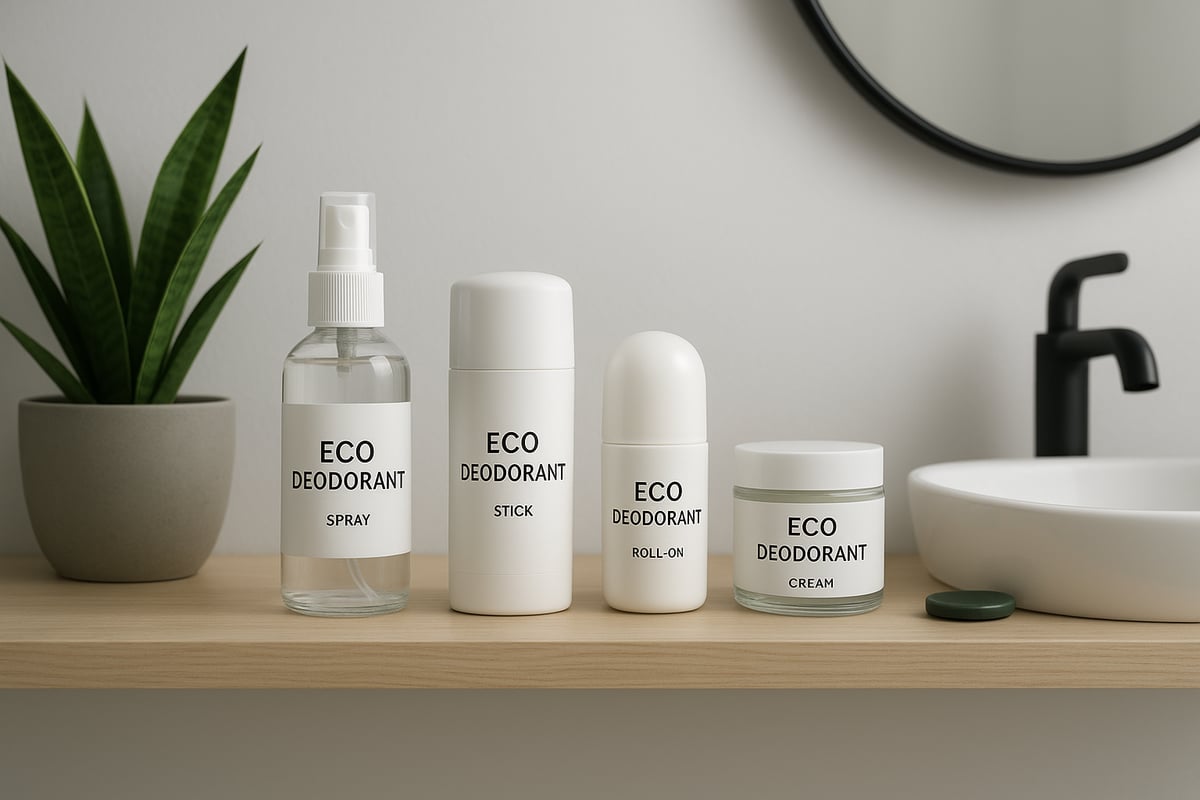
Eco Deo's range of products in 2026 is extensive, designed to meet all needs:
- Eco-friendly sprays : gas-free, respectful of indoor air.
- Solid sticks : zero plastic, long-lasting, easy to carry.
- Deodorant creams : applied with the finger, rich in soothing active ingredients.
- Natural roll-ons : fluid texture, quick application.
- Portable formats : miniatures for travel, large refills for home.
Each eco-friendly deodorant format has its advantages depending on the intended use. Sticks and creams are appealing for their zero-waste aspect, while gas-free sprays remain practical for athletes or large families.
Deciphering the composition of an eco-deodorant
Understanding the composition of an eco-friendly deodorant in 2026 means empowering yourself to choose a product that is both healthy and respectful of the planet. Given the diversity of formulas, it is essential to decipher the ingredients to guarantee the effectiveness, skin tolerance, and environmental responsibility of your beauty routine.
Ingredients to prioritize
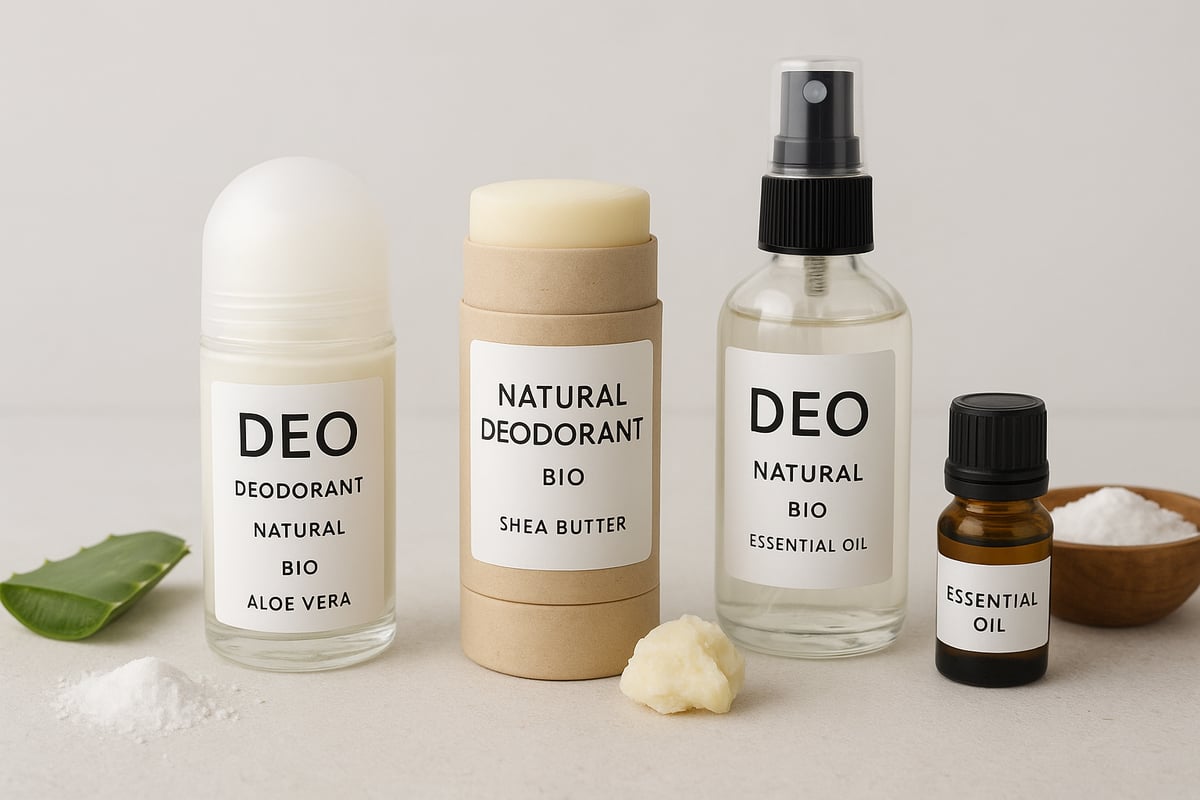
For an effective and gentle eco-friendly deodorant, prioritize naturally derived ingredients. Baking soda, zinc PCA, and essential oils like lavender naturally neutralize odors. Plant extracts (lotus, mallow, aloe vera) provide hydration and soothing properties, as do vegetable glycerin and shea butter.
The organic origin of the ingredients remains a guarantee of quality. By 2026, many eco-friendly deodorants proudly boasted 99% naturally derived ingredients and at least 20% organically grown. This requirement guarantees a respectful composition, free from controversial substances.
Finally, gentle, naturally derived preservatives play a key role in preserving the product while minimizing the risk of irritation. Pioneering brands are incorporating these criteria to offer short, transparent, and effective formulas.
Ingredients to absolutely avoid
Certain ingredients should be avoided in a truly eco-friendly deodorant. Aluminum salts, long used to block perspiration, are now being criticized for their potential health risks. Parabens, silicones, PEGs, and petrochemical-derived propellants should also be avoided, as should synthetic fragrances and dyes.
Allergies and intolerances are often linked to these ingredients. To learn more about controversial substances and their effects, see Ingredients to Avoid in Deodorants .
Some natural perfumes can also contain allergens, such as limonene or citronellol. Therefore, caution is advised, especially for those with sensitive or reactive skin.
Focus on allergens and skin tolerance
Skin tolerance is paramount, especially with an eco-friendly deodorant. Approximately 30% of consumers report having sensitive or easily irritated skin. Dermatological testing and the "sensitive skin" label are key indicators to look for.
Some eco-friendly deodorants are specially formulated to minimize the risk of allergies, by excluding major natural allergens or opting for alcohol- and fragrance-free formulas. Ingredients like aloe vera or zinc PCA are known for their gentleness and effectiveness.
To find an eco-friendly, hypoallergenic deodorant, look for the terms “alcohol-free,” “hypoallergenic,” or “dermatologically tested.” Choosing the right one for your skin's sensitivity ensures comfort and safety every day.
Transparency and traceability of ingredients
Transparency has become a major requirement for any eco-friendly deodorant. Clear labeling, with an easily readable INCI list, allows consumers to identify the quality and origin of the ingredients. Some brands go even further, detailing the percentage of natural origin and the traceability of each component.
Fair sourcing, such as locally sourced organic lotus or fair trade shea butter, highlights the social and environmental commitment behind each eco-friendly deodorant. Several apps and websites now make it easier to analyze ingredients and understand labels.
In 2026, more than 70% of consumers say they actively seek transparency and authenticity in their product choices, proving that eco deodorant is not just a gesture for oneself, but also a commitment to the planet.
Essential criteria for choosing your eco-deodorant
Choosing the right eco-friendly deodorant in 2026 can seem like a real challenge. Between the abundance of products, the various formats, and the marketing promises, it becomes essential to focus on a few key criteria to make an informed choice. Our guide helps you see things more clearly by breaking down each essential point. This way, you can choose an eco-friendly deodorant that truly suits you.
Choose according to your skin type
The first step in choosing an effective eco-friendly deodorant is to know your skin well. Is your skin sensitive, dry, normal, or reactive? Each type has its specific needs. For example, sensitive skin will prefer formulas without baking soda, alcohol, and harsh essential oils. Dry skin, on the other hand, will appreciate moisturizing ingredients like aloe vera or shea butter.
- Opt for hypoallergenic formulas if you tend to react easily.
- Always test your eco deodorant on a small area before using it daily.
- Feel free to consult the reviews of other users with the same skin type.
By taking the time to identify your needs, you maximize the chances of finding an eco-friendly deodorant that respects your skin while guaranteeing optimal protection.
Consider the effectiveness and duration of action
Effectiveness remains a key criterion when choosing your eco-friendly deodorant. Unlike conventional antiperspirants, most natural eco-friendly deodorants don't block perspiration but neutralize odors. Check the advertised duration of action (24 hours, 48 hours) and choose one that suits your lifestyle.
- Athletes or active people will prefer formulas reinforced with odor-fighting active ingredients such as zinc PCA or clay.
- Some eco-friendly deodorants offer proven effectiveness even during periods of intense heat.
- Consumer tests and user recommendations are valuable for evaluating the product's true performance.
Remember that every body reacts differently, so it may be helpful to try several formulas before finding the one that works for you.
Assessing the environmental impact of packaging
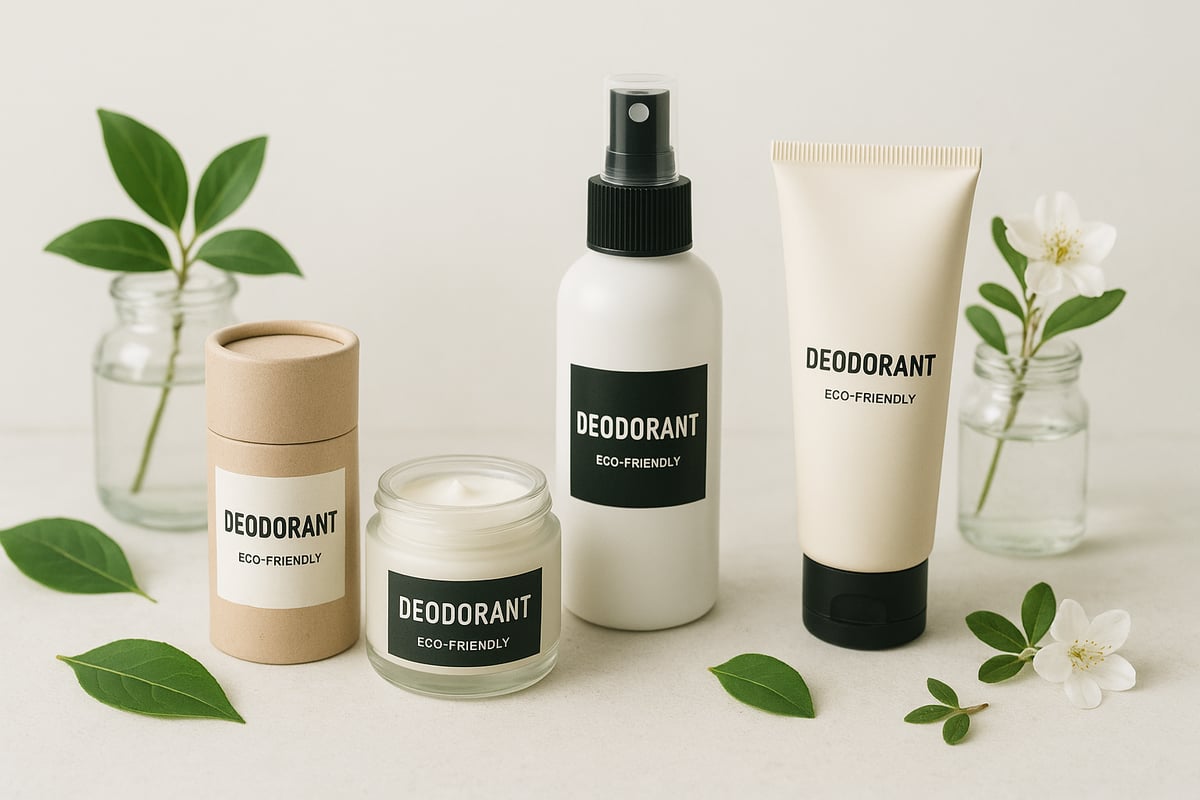
The packaging of an eco-friendly deodorant plays a key role in reducing our environmental footprint. Opt for recyclable, refillable, or compostable packaging to minimize waste. Today, many brands offer solid, plastic-free sticks, propellant-free sprays, and reusable glass jars.
- Compare the carbon footprint of the different formats available.
- Look for labels and certifications that guarantee the eco-design of the packaging.
- Favor brands that offer take-back or recycling programs for containers.
A well-chosen eco-deodorant is also a concrete gesture for the planet, beyond the simple formula.
Analyze the quality/price ratio and the origin
The price of an eco-friendly deodorant varies depending on its composition, labels, and origin. In 2026, the average cost of a certified organic or natural eco-friendly deodorant was slightly higher than that of conventional deodorants, but it often reflected more ethical and local production.
- Check the proportion of ingredients from organic farming.
- Opt for locally made products, which support the economy and reduce the transport footprint.
- Compare the price per gram or per milliliter to better assess the value for money.
Short supply chains and transparency regarding origin are criteria not to be overlooked for a responsible eco-deodorant.
Take into account the brand's values and commitments
Finally, choosing an eco-friendly deodorant also means supporting brands whose commitments resonate with you. Vegan, cruelty-free, fair trade, and transparent ingredient lists: these are all values that make a difference. Independent labels are invaluable allies in navigating this landscape.
- Find out more about the brand's community, local or environmental initiatives.
- Check the clarity of the information on composition and manufacturing.
- Discover the ethical and environmental commitments of some pioneering brands to choose an eco deodorant with complete confidence.
In summary, taking the time to analyze these essential criteria will allow you to find the eco deodorant that meets your expectations, while respecting your skin, your values and the planet.
Focus on trends and innovations for 2026
The year 2026 marks a new era for eco-friendly deodorants. Expectations are evolving, innovations are accelerating, and the market is expanding with increasingly responsible and effective solutions. Let's explore the major trends shaping the choice of eco-friendly deodorants today.
New consumer expectations
By 2026, simplicity and effectiveness have become priorities for those seeking eco-friendly deodorants. Consumers favor short routines and multi-purpose products, while remaining attentive to ingredients. "Clean beauty" and "slow cosmetics" are attracting a growing number of followers who want to understand the origin of ingredients and limit their environmental impact.
Demand for eco-friendly, vegan, and zero-waste deodorants is exploding, driven by the rise of social media and authentic customer reviews. Statistics show that over 60% of surveyed shoppers favor local and transparent solutions, strengthening trust in ethical brands.
Technological innovations and advanced formulations
The eco-friendly deodorant sector is experiencing a real technological boom. Refillable solid deodorants and next-generation applicators are proving popular due to their convenience. Laboratories are focusing on new natural odor-fighting molecules derived from biotechnology to guarantee long-lasting effectiveness without compromise.
Hybrid textures, such as gel-balms or cream-sticks, offer a unique sensory experience. Compostable or 100% recycled packaging is becoming increasingly popular, drastically reducing waste. Award-winning products exemplify this trend, such as Le Classik natural balm, which combines a short formula with eco-friendly innovation.
The boom in local and artisanal brands
Local eco-friendly deodorants are all the rage. Small French and Swiss brands, often artisanal, are promoting short supply chains and small-scale production. There's a clear consumer preference for "Made in local" products, with particular attention paid to transparency, authenticity, and supporting regional producers.
Collaborations are emerging with suppliers of fair-trade raw materials, such as flower extracts or plant-based butters sourced from local agriculture. This dynamism fosters the development of zero-waste initiatives and strengthens the loyalty of eco deo users.
basic: The Swiss example of effective and sustainable minimalism
The Swiss brand basic. perfectly embodies this new wave of minimalist and effective eco-deodorants. Their range, produced in Lausanne, focuses on short, vegan and aluminum-free formulas, certified by Ecocert COSMOS ORGANIC, Slow Cosmétique and Peta Vegan.

Basic. stands out with its recyclable packaging, a jar take-back program, and complete transparency regarding the origin of its ingredients. Zero greenwashing, local and ethical sourcing, proven effectiveness even in high heat, and over 500 enthusiastic customer reviews make Basic. a must-have eco-friendly deodorant by 2026.
Practical guide: how to choose your eco-deodorant step by step
Finding the right eco-friendly deodorant is like finding a faithful companion for your daily life. With so many options, it's easy to get lost. Follow this step-by-step guide to make an informed choice, tailored to your skin, your values, and your lifestyle.
Step 1: Identify your needs and priorities
Before choosing an eco-friendly deodorant, start by listening to your body. Is your skin sensitive, dry, or reactive? Do you prefer a subtle fragrance, a melting texture, or long-lasting effectiveness? Also, consider your values: do you want a vegan, locally made, zero-waste, or organic product?
Consider your budget and expectations. For example, if you are looking for a gentle and hypoallergenic solution, the Solid Deodorant Refill for sensitive skin may meet your specific needs.
Create a short list of your main criteria to guide your choice of eco deodorant.
Step 2: Read and decipher the list of ingredients
The composition of an eco-friendly deodorant is essential to guarantee effectiveness and safety. Take the time to decipher the INCI list on the packaging. Look for natural odor-fighting ingredients such as baking soda, zinc PCA, plant extracts, or aloe vera.
Avoid irritating or unnecessary ingredients: aluminum salts, parabens, silicones, PEGs. Use apps or online tools to analyze ingredients if needed.
Compare the percentage of natural and organic ingredients. A quality eco-deodorant stands out for its simplicity and transparency.
Step 3: Check the labels and certifications
Labels are your best allies when choosing a reliable eco-deodorant. Look for the COSMOS, Ecocert, Cosmébio, Vegan, or Slow Cosmétique logos. They guarantee compliance with strict specifications and a healthy composition.
Take the time to understand what each label means. For more information, consult this guide on organic cosmetic labels and certifications to avoid the pitfalls of greenwashing.
A good eco-friendly deodorant clearly displays its certifications on the packaging.
Step 4: Evaluate the brand's packaging and CSR approach
An eco-friendly deodorant should also minimize its impact on the planet. Opt for recyclable, refillable, or compostable packaging. Solid, plastic-free sticks, glass jars, or propellant-free sprays are sustainable alternatives.
Find out about the brand's CSR policy: packaging collection, short supply chains, local production. Eco-designed packaging and responsible practices make a difference.
Eco-design is the little extra that makes your eco deodorant even more virtuous.
Step 5: Test and adjust your choice
Before committing to an eco-friendly deodorant, test it on a small area of your skin. Monitor skin tolerance and effectiveness for a week. Adjust the frequency according to your needs, the season, or your physical activity.
Check customer reviews to refine your choice. If the transition is difficult, persevere: skin sometimes needs time to adjust to a natural eco-friendly deodorant.
Listen to your body and adjust as needed.
Step 6: Maintaining and storing your eco-deodorant
To prolong the life of your eco deodorant, store it away from heat, light, and humidity. Follow hygiene guidelines, close the container tightly after use, and opt for refills or reusable jars.
A natural eco-friendly deodorant typically lasts 6 to 12 months. Remember to recycle or return the packaging according to the brand's instructions to close the ecological loop.
With these simple steps, your eco deodorant will remain effective and healthy until the last application.
Comparison and selection of the best eco-friendly deodorants of 2026
Choosing your eco-friendly deodorant in 2026 has never been easier, provided you have the right information. To help you sort through the vast array of options, here is our exclusive comparison based on strict criteria, consumer tests, and current trends. Ready to find the eco-friendly deodorant that's right for you?
Selection criteria for the comparison
For this comparison, we evaluated each eco-friendly deodorant based on five criteria: composition, labels, effectiveness, packaging, and price. Brand transparency and the presence of dermatological testing were also taken into account. We paid particular attention to the composition, as ingredient analysis is essential to avoid controversial substances. To learn more, see this breakdown of toxic substances in deodorants and antiperspirants . We also considered user reviews and the variety of formats available to suit all needs.
Selection of eco-certified sprays and sticks
Gas-free sprays and solid sticks are popular for their convenience and effectiveness. Here is a comparison chart to better visualize their strengths:
| Product | Labels | % Natural/Organic | Format | Price (€) | Notice |
|---|---|---|---|---|---|
| So'Bio étic Eco-Care Deodorant Spray | Ecocert, Cosmébio | 99/20 | Spray | 7.50 | ⭐⭐⭐⭐ |
| Eco Cosmetics Deo-Stick Olive & Mauve | Vegan, Natrue | 100/20 | Stick | 8.90 | ⭐⭐⭐⭐ |
| LEA Laboratories Organic Deodorant | Cosmos Organic | 98/21 | Stick | 7.80 | ⭐⭐⭐⭐ |
Each eco-friendly deodorant presented offers a reliable alternative, free from aluminum salts and propellant gases. The packaging is recyclable and the formulas are dermatologically tested.
Focus on solid and cream deodorants
Solid and cream deodorants are popular with zero-waste enthusiasts and frequent travelers. A solid eco-friendly deodorant often lasts longer than a spray, while also reducing plastic waste. Organic deodorant creams, enriched with plant butters and extracts, are ideal for sensitive skin. New products for 2026 include balm-gel textures and bicarbonate-free formulas, perfect for reactive underarms. Prices range from €8 to €12 depending on the size and ingredients.
Alternatives for sensitive skin and specific needs
Some skin types require special attention. Alcohol-free, fragrance-free, or hypoallergenic eco-deodorants are suitable for teenagers, pregnant women, and athletes. Opt for formulas based on aloe vera, zinc PCA, or mallow extracts to minimize irritation. User reviews from those with reactive skin emphasize the importance of testing the product on a small area before regular use. Eco-certified deodorants for sensitive skin are increasingly numerous and effective.
Local, artisanal brands and short supply chains
“Made in local” appeals because of its transparency and positive impact on the regional economy. French and Swiss artisanal brands, such as basic. or Laboratoires LEA, prioritize short supply chains, local ingredients, and reusable packaging. Many offer take-back programs for empty jars and boast customer satisfaction rates exceeding 90%. Choosing a local eco-friendly deodorant means supporting innovation while reducing your carbon footprint.
Tips for buying and using your eco-friendly deodorant on a daily basis
Where can you find the best eco-friendly deodorant? Organic stores, pharmacies, and specialized online shops are ideal. To prolong the product's lifespan, apply a small amount to dry skin and store it away from heat. Solid or refillable formats are perfect for travel. If you find the transition difficult, a short adjustment period may be necessary. Want to go further? Try a homemade natural deodorant recipe for a personalized and economical alternative.
After discovering all the criteria for choosing an eco-deodorant that respects both your skin and the planet, why not take action and experience the difference for yourself? Between transparent ingredients, simple formulas, and ethical commitment, we all deserve skincare that aligns with our values. We know how important it is to feel good every day, so if you want to take the step towards a natural, healthy, and effective deodorant, I invite you to try it now and join the community of those who have chosen gentle change.