


Antiperspirant Deodorants Versus: Which to Choose in 2026?
Antiperspirant deodorants in 2026: Discover our tips for choosing the best one based on effectiveness, health, environmental impact, and your needs. Let's make the right choice together.

In 2026, choosing between antiperspirant deodorants has never been more crucial, especially now that health and the environment are guiding our decisions. Faced with an ever-expanding range of products and rapidly changing expectations, how can we know which product truly meets our needs?
Should you choose a deodorant for its gentleness or an antiperspirant for its effectiveness, while also considering safety, ingredients, and environmental impact? Market trends are evolving, and it's becoming essential to understand them.
In this article, we help you make an informed choice, tailored to your profile and values. Ready to discover the keys to choosing with confidence?
Understanding the Difference: Deodorant vs. Antiperspirant
Choosing the right antiperspirant deodorant in 2026 can seem complex, especially given the diversity of products and needs. To help you see things more clearly, let's explore what truly distinguishes these two hygiene solutions, their ingredients, their impacts, and the natural alternatives available.
How deodorants work
Deodorants primarily target body odor. Their purpose? To neutralize or mask unpleasant smells using antibacterial agents or fragrances. By reducing the population of odor-causing bacteria, they provide a feeling of freshness without blocking natural perspiration.
Most "safe" antiperspirant deodorants (source: Que Choisir) are actually simple deodorants, often better tolerated by sensitive skin. You can find natural formulas based on baking soda, essential oils, or plant extracts, as well as conventional versions.
Note: Deodorants do not affect perspiration, so they are ideal for people with moderate sweating or those seeking a daily feeling of freshness. To learn more about the difference between these products, see this detailed article on the difference between deodorant and antiperspirant .
How antiperspirants work
Antiperspirants go further. They temporarily block the sweat glands, often using aluminum salts, to limit sweat production. The result: fewer stains and a reduced feeling of dampness, sometimes for up to 48 hours or more.
This type of product is particularly recommended for people suffering from hyperhidrosis or excessive sweating. Many antiperspirant deodorants are designed to offer maximum effectiveness in these situations, although some carry potential risks with prolonged use, especially for sensitive populations (Que Choisir data).
Popular options include ETIAXIL and REXONA. However, it remains important to be informed about the risks associated with certain ingredients and to tailor your choice to your actual needs.
Key ingredients and points to consider
Deodorants and antiperspirants do not have the same composition. Deodorants rely on ingredients such as baking soda, essential oils, plant extracts, or probiotics. Antiperspirants, on the other hand, generally use aluminum salts (aluminum chlorohydrate) and occlusive agents.
In both categories, it's important to watch for the presence of parabens, allergens, or endocrine disruptors. According to the latest statistics, a significant proportion of conventional antiperspirant deodorants still contain controversial ingredients.
Always read labels carefully and look for hazard pictograms. The trend in 2026: shorter formulas, aluminum-free, organic, or vegan, to meet the needs of pregnant women, teenagers, and those with sensitive skin. Making an informed choice starts with a good understanding of the ingredients.
Natural and minimalist alternatives with basic.
For those seeking a healthy and responsible solution, basic. stands out as a leading Swiss brand of natural cosmetics. The brand's antiperspirant deodorants are aluminum-free, vegan, minimalist, and suitable for sensitive skin.

Each formula contains few ingredients, all certified organic, plastic-free, and made locally in Lausanne. Over 1,000 satisfied customers and complete transparency regarding ingredients attest to the reliability of basic., with recognized certifications such as Ecocert and PETA.
This is the ideal option for those seeking effectiveness, safety and ethics in their choices of antiperspirant deodorants, while preserving their health and the environment.
Efficiency and Performance: What to Choose in 2026?
Choosing the right antiperspirant deodorant in 2026 is about much more than just scent or comfort. Many of us are looking for reliable protection that suits our lifestyle, our skin, and our values. But how do we navigate all the marketing promises and innovations? Let's explore the key criteria and best options to make an informed choice, keeping safety, performance, and health in mind.

Efficiency criteria to consider
When comparing antiperspirant deodorants, it's important to consider several key criteria. The advertised duration of protection (24h, 48h, 72h) remains one of the primary indicators. However, be aware that actual protection also depends on physical exertion, stress levels, and ambient temperature.
The product's texture (stick, roll-on, cream, spray) influences application comfort and how it feels on the skin. Consumer tests show that actual satisfaction doesn't always match brand promises. Some antiperspirant deodorants are better suited to sensitive skin, while others are better for heavier perspiration.
Here is a summary table of the criteria to compare:
| Criteria | Importance | Examples |
|---|---|---|
| Duration of protection | High | 24h, 48h, 72h |
| Texture | Average | Stick, roll-on, cream |
| Skin adaptation | High | Sensitive, combination skin |
| Sweat level | High | Moderate, excessive |
Before making any decision, it is advisable to read feedback from other users and to test in order to find the right balance between effectiveness and tolerance.
Comparative studies and consumer tests
Studies conducted by consumer associations like Que Choisir provide valuable insights into the actual performance of antiperspirant deodorants. Their rankings take into account the presence of allergens, controversial substances, and the level of irritation.
Among the top-rated products are LA ROSÉE Probiotic Freshness Deodorant and MARQUE REPÈRE Bio naïa for deodorants, as well as ETIAXIL for antiperspirants. Tests reveal that "safe" products are often praised for their tolerability, even if their effectiveness against excessive perspiration is sometimes limited.
User feedback highlights the importance of consistent application and adapting the product to each individual's needs. Statistics also show that frequency of use varies according to age and gender, with a tendency for younger people and women to prefer gentler products.
Effectiveness of natural alternatives
Faced with health and environmental concerns, more and more consumers are turning to natural alternatives to conventional antiperspirant deodorants. Natural deodorants based on probiotics, clay, or essential oils are appealing due to their simple composition.
Testimonials highlight a good reduction in odor, although the effect on perspiration is less pronounced compared to aluminum-based antiperspirants. The body may need a few days to adapt, and more frequent application is sometimes necessary.
To delve deeper into this topic, you can consult this guide dedicated to natural antiperspirant deodorants , which presents effective, safe, and skin-friendly options. Leading brands like basic., La Rosée, and Aroma-Zone boast excellent customer satisfaction rates.
Limitations and side effects
Even though modern antiperspirant deodorants are increasingly safe, there are still risks of irritation, allergies, or disruption of the skin's natural flora. Users with sensitive skin should be especially careful, particularly when using traditional products containing aluminum salts or synthetic fragrances.
Controversies surrounding aluminum persist, but research from 2026 tends to offer reassurance for moderate use. It remains recommended to prioritize dermatologically tested products and to perform a skin test before making any changes to your routine. Consumer complaints mainly concern allergic reactions and staining of clothing.
In cases of excessive and uncontrolled sweating, it may be helpful to consult a healthcare professional to guide the choice of product.
Health and Safety: What Risks in 2026?
Safety and health have become priorities for all those using antiperspirant deodorants in 2026. Consumers want to protect their well-being while staying fresh, especially in the face of increasing alerts about certain components.
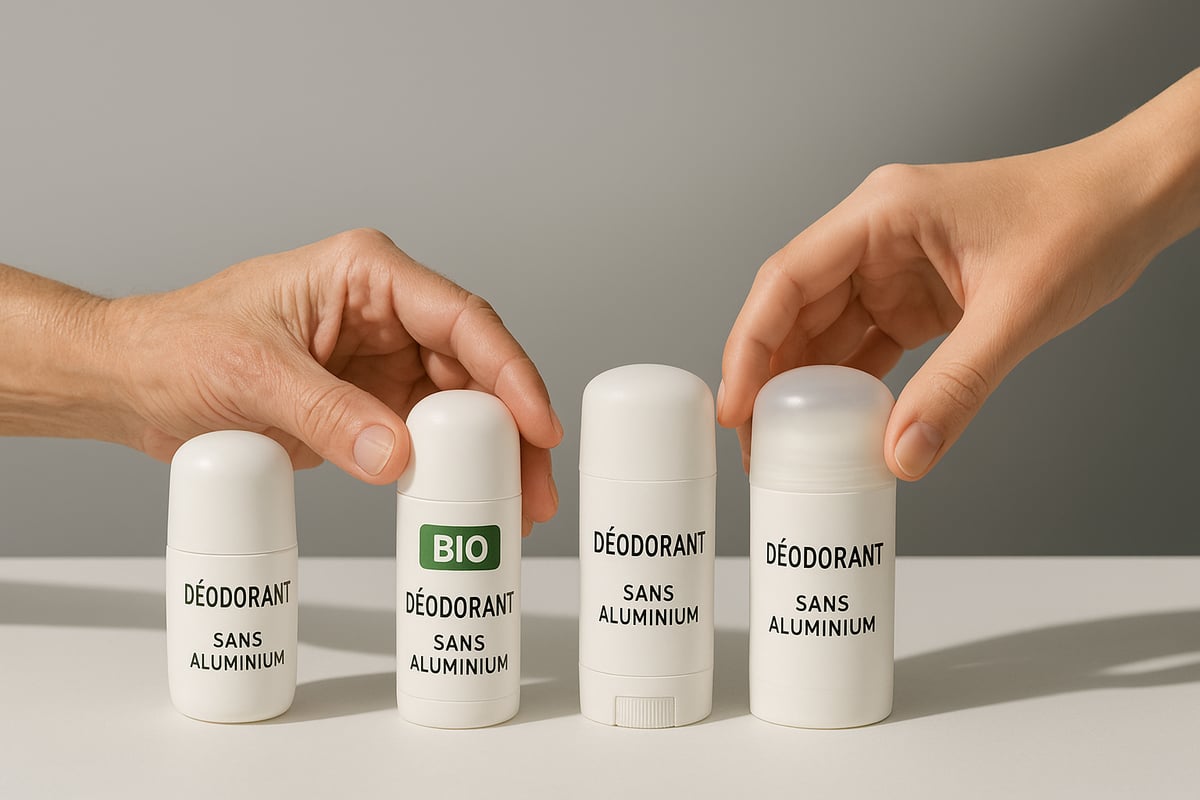
Controversial substances and their impact
Antiperspirant deodorants are often criticized because of certain substances considered risky. Among them, aluminum salts are the most well-known, as they block perspiration but raise questions about their safety. Parabens, fragrance allergens, and endocrine disruptors are also frequently found on the list, especially in conventional products.
Here is a table to better understand the main controversial ingredients:
| Substance | Main use | Potential risk | Frequent presence |
|---|---|---|---|
| Aluminum salts | Sweat blocker | Irritations, health controversy | Antiperspirants |
| Parabens | Conservative | Endocrine disruption | Some deodorants |
| Perfume allergens | Scent | Allergic reactions | Classic deodorants |
| Endocrine disruptors | Various effects | Hormonal imbalance | Conventional products |
According to Que Choisir, a significant proportion of antiperspirant deodorants sold in France present a "medium" or "limited" risk, especially for sensitive individuals. Fortunately, many brands are reformulating their ranges to offer greater safety.
Specific populations: pregnant women, children, sensitive skin
Certain populations are particularly vigilant with antiperspirant deodorants. For example, pregnant women are advised to avoid antiperspirants containing aluminum, as the risk to the fetus cannot be completely ruled out.
For children and teenagers, the focus is on gentle formulas, free of irritants and endocrine disruptors. Products like LA ROSÉE or MARQUE REPÈRE Bio naïa are highly recommended because no risks have been identified for these age groups.
Those with sensitive or atopic skin should opt for dermatologically tested deodorants free of major allergens. Organic and dermatological labels are valuable indicators for minimizing skin reactions, especially with antiperspirant deodorants used daily.
Regulations and legal developments
The legal framework surrounding antiperspirant deodorants has evolved rapidly in recent years. In 2026, the European Union and Switzerland will strengthen their requirements regarding safety, ingredient transparency, and mandatory labeling of hazardous substances.
Claims such as “aluminum-free,” “natural,” or “organic” are now strictly regulated to prevent marketing abuses. Authorities can penalize brands that do not comply with these rules. To better understand these obligations and stay up-to-date, consult the European Cosmetics Regulation .
Consumer associations, such as Que Choisir and UFC, play a key role in monitoring and withdrawing products deemed dangerous. The cosmetics industry is increasing its efforts to improve the safety of antiperspirant deodorants, particularly through independent labels and testing.
Tips for a safe and healthy choice
Choosing antiperspirant deodorants suited to your needs means prioritizing dermatologically tested products with a transparent ingredient list. Carefully read the INCI list and look for allergens or controversial substances.
If you are pregnant, a teenager, or have sensitive skin, opt for certified natural alternatives or aluminum-free formulas. Compare consumer reviews and use comparison tools to identify "safe" products.
Adjust the frequency of use to limit exposure, and stay informed of the latest scientific recommendations. With these simple steps, everyone can enjoy the benefits of antiperspirant deodorants while protecting their health.
Composition and Transparency: Decoding Labels
Choosing your antiperspirant deodorant in 2026 is much more than just a matter of fragrance or effectiveness. More and more of us are scrutinizing labels, searching for healthy, transparent, and environmentally friendly formulas. But how do you navigate an INCI list that can sometimes be as long as a novel? Let's decode the secrets of these ingredients together so you can choose with confidence.

Read and understand the INCI label
The INCI label is your product's identity card. It lists all the ingredients, from the most concentrated to the least. On antiperspirant deodorants, identifying aluminum salts, parabens, or allergens is essential to avoid unpleasant surprises.
Labels like Ecocert, PETA, and Slow Cosmétique are invaluable. They guarantee safer and often skin-friendly ingredients. Consider scanning the INCI list using mobile apps to quickly identify controversial substances.
Let's take a telling example: a "safe" antiperspirant deodorant will display a short, transparent list of ingredients, free of aluminum and endocrine disruptors. According to 2026 data, nearly 40% of products on the French market carry at least one recognized label.
INCI comparison chart:
| Ingredient | Role | Things to keep an eye on |
|---|---|---|
| Aluminum salts | Antiperspirant | Yes |
| Scent | Mask odor | Sometimes |
| Bicarbonate | Neutralize | No |
Focus on natural and synthetic ingredients
Are you hesitating between a natural or conventional antiperspirant deodorant? Naturally derived ingredients, such as botanical extracts, essential oils, or probiotics, are appealing because of their gentleness and lower environmental impact. They are well-suited to sensitive skin, but can sometimes cause allergies, especially with certain essential oils.
Synthetic formulas, on the other hand, focus on immediate effectiveness but may contain controversial substances. Innovations in 2026 increasingly incorporate probiotics and clays to neutralize odors.
Demand for "clean" antiperspirant deodorants is exploding: more than a third of users are now turning to natural alternatives, according to the latest studies. In terms of effectiveness, everyone's skin reacts differently, hence the importance of testing several formulas.
Labels and certifications: how to find your way around them?
It's difficult to navigate all the labels on antiperspirant deodorants. The main ones, such as Ecocert, COSMOS, PETA Vegan, and Slow Cosmétique, guarantee a safer, cruelty-free composition and an ecological commitment.
To obtain these certifications, a product must prove the natural or organic origin of its ingredients, the absence of animal testing, and a reduced environmental impact. An "organic" label is not necessarily "vegan," and vice versa. Read the criteria carefully.
In 2026, sales of certified products increased by 15%, a sign of growing consumer confidence. To minimize health risks, always choose a certified antiperspirant deodorant, especially for those with sensitive skin.
Manufacturer transparency and the role of consumers
Transparency has become an essential criterion when choosing antiperspirant deodorants. Committed brands publish the complete list of ingredients, detail their origin, and make public commitments to safety.
Consumer associations and review platforms play a key role in raising awareness of abuses and non-compliance. Social media amplifies these movements: over 60% of consumers say they trust community recommendations before making a purchase.
Legislation is also evolving. In France, the recent ban on PFAS in cosmetics underscores the importance of choosing products with impeccable ingredients. If you still have any doubts, don't hesitate to report a suspicious product to the authorities or via specialized apps.
Environmental and Societal Impacts
With growing environmental awareness, the question of the impact of antiperspirant deodorants on our planet has become crucial. Our hygiene choices now have a real impact on the environment and society. Let's explore together how these products influence our daily lives and how to adopt a more responsible routine.
Ecological footprint of deodorants and antiperspirants
The environmental footprint of antiperspirant deodorants depends on their entire life cycle. From production to disposal, each step generates impacts: water use, CO2 emissions, transportation, and especially packaging. Aerosols, for example, often contain polluting propellants. Single-use plastic packaging is still very common and difficult to recycle.
Some brands are taking action, offering alternatives such as reusable glass or recycled cardboard. Basic., a Swiss pioneer, encourages the return of containers to reduce waste. In France, nearly 150 million sticks or sprays are thrown away each year. Adopting refillable or solid products significantly reduces pollution related to antiperspirant deodorants.
To limit its impact, it is advisable to favour zero-waste options, to sort packaging correctly and to support brands that are transparent about their environmental approach.
Eco-friendly alternatives and innovations
The trend is towards innovation to make antiperspirant deodorants more environmentally friendly. Solid, balm, or refillable deodorants are increasingly appealing to consumers. They are often offered in compostable or reusable containers, thus reducing plastic waste.
Brands like basic., KIIMA, and Aroma-Zone focus on natural formulas and innovative packaging. The eco-friendly cosmetics market is experiencing double-digit growth. Numerous environmental labels help identify the most virtuous products.
To take your approach further, discover these 10 eco-friendly beauty tips that will guide you towards a greener routine, without compromising on effectiveness or health.
Responsible Consumption and Trends 2026
Consumers in 2026 are looking for much more than just an effective product: they want healthy, natural, ethical, and locally sourced antiperspirants. Social media plays a major role in spreading best practices and fostering the emergence of new, socially responsible brands.
The share of organic and vegan products has doubled in five years, both in France and Switzerland. The “consume less but better” movement is becoming ingrained in habits: group purchases, returnable containers, and choosing local producers. Education about responsible consumption, through blogs and influencers, is influencing purchasing decisions.
To support this transition, it is helpful to learn about and test different alternatives, while remaining attentive to the composition and origin of antiperspirant deodorants.
Societal issues and public health
Public debates surrounding antiperspirant deodorants concern both health and the environment. Controversies over aluminum salts and endocrine disruptors have prompted associations and NGOs to launch awareness campaigns promoting responsible hygiene.
Allergies and intolerances to ingredients are on the rise, pushing brands to innovate and offer inclusive products suitable for everyone. Citizen initiatives are growing, with an emphasis on inclusion (gender-neutral products, products for sensitive skin) and transparency.
Staying informed, engaging with your community and choosing committed brands are concrete steps to act collectively and transform the antiperspirant deodorant sector.
How to Choose Your Product in 2026? A Practical Guide
Choosing between antiperspirant deodorants can seem complex in 2026, given how many options and criteria have changed. However, there are simple steps to finding the product that's right for you. Let's look at how to make the right choice, based on your needs, lifestyle, and values.
Identify your personal needs
Before choosing an antiperspirant deodorant, ask yourself the right questions. What is your daily perspiration level? Do you primarily need to mask odors, limit moisture, or both? Are your main concerns health, environmental impact, or effectiveness?
Don't forget to consider your medical history, such as allergies or sensitive skin. If you are pregnant or a teenager, some products should be avoided. Also, think about your lifestyle: do you play sports regularly? Do you work in a hot or stressful environment? Each person will have their ideal product.
To help you, there are online self-assessment questionnaires that guide you towards choosing the right antiperspirant deodorant. Adapting your routine remains essential: sometimes, you need to try several products before finding the right balance.
Comparison of the best options for 2026
The antiperspirant deodorant market in 2026 is rich and diverse. Some products are highly praised for their effectiveness, such as LA ROSÉE and MARQUE REPÈRE among natural deodorants, or ETIAXIL and REXONA among high-performance antiperspirants. But each category has its advantages and limitations.
Here is a comparison table to help you:
| Category | Main advantages | Limits to monitor |
|---|---|---|
| Natural deodorant | Tolerance, ethics, zero waste | Variable efficiency |
| Antiperspirant | Strong action against perspiration | Risk of irritation |
| Zero waste/organic | Reduced environmental impact | Price sometimes higher |
Users recommend comparing satisfaction rates, ingredients, form (stick, spray, roll-on), and environmental impact before buying antiperspirant deodorants. Testing several formats can make a difference.
Usage and adaptation tips
To get the most out of your antiperspirant deodorants, follow a few simple rules. Always apply them to clean, dry skin, ideally after showering. If you switch to a natural or aluminum-free product, be aware that a skin adjustment period is common. It can sometimes take a few weeks for your body to get used to it.
Here are some practical tips:
- Test the product on a small area before use.
- Adjust the application frequency according to your needs.
- Opt for clothing made from natural fibers to limit perspiration.
- If you experience irritation, change the formula or space out the applications.
For sensitive skin, choose gentle formulas. Teenagers and pregnant women should avoid certain ingredients in antiperspirant deodorants. Also note that some products can leave marks on clothing, so allow them to dry completely before dressing.
Stay informed and up-to-date
The world of antiperspirant deodorants is evolving rapidly. To stay informed, consult reputable comparison sites like Que Choisir or UFC, and read customer reviews. Specialized blogs and consumer forums are veritable goldmines of information for sharing experiences and tips.
Want to go further? Discover how making your own natural deodorant can also be a great alternative for better controlling the ingredients in your products. Remember to scan labels with dedicated apps and report any adverse effects.
Finally, stay up-to-date with scientific and regulatory news, as standards change regularly. Subscribing to newsletters from transparent brands or participating in discussion groups will help you stay informed about antiperspirant deodorants.
After exploring the differences between deodorants and antiperspirants together, you now understand how important it is to choose a product that suits your skin and your values. We all want a formula that's effective, safe, and respectful of the environment and our health. If you want to take the plunge gently, why not try a natural, vegan, and minimalist alternative, made locally in Lausanne and praised by hundreds of satisfied users? We, too, like to take care of ourselves without compromise. So if you want to try this healthier and more transparent option, try it now .