


Effective Deodorant Guide: Tips and Advice 2026
Discover our complete guide to effective deodorant in 2026: tips, advice, natural choices, innovations, routines, and solutions for lasting and healthy freshness.

Finding an effective deodorant has become essential given the health, environmental, and well-being challenges of our daily lives. However, choosing a truly healthy and high-performing product suited to one's lifestyle in 2026 remains a real challenge.
In this guide, we will share practical tips, expert advice, and innovative solutions to help you make the right choice.
We will cover understanding perspiration, selection criteria, ingredients, 2026 trends, application routines, natural alternatives and a complete FAQ.
Ready to discover how to adopt an effective, healthy and responsible deodorant? Follow us in this comprehensive guide.
Understanding perspiration and body odor
Sweating is a natural phenomenon that affects everyone, but few of us truly understand why it exists and how it works. To choose an effective deodorant, it's essential to understand the mechanisms behind perspiration and the development of odors. Let's explore how our body regulates its temperature and why, sometimes, odors become a nuisance in our daily lives.

The mechanisms of perspiration
Sweating plays a vital role in regulating our body's temperature. When body temperature rises, the sweat glands—primarily eccrine and apocrine—release water and electrolytes onto the skin's surface. This mechanism helps dissipate heat and eliminate certain toxins, thus contributing to our overall well-being.
It's important to note that 95% of perspiration is odorless. It's the breakdown of sweat by bacteria on the skin that causes odors. Therefore, even if you sweat a lot, it doesn't necessarily mean you smell bad or have poor hygiene.
Several factors influence sweating: genetics, diet, stress, and hormonal changes such as puberty or menopause. For example, intense physical activity or strong emotions can trigger increased perspiration.
To address these varied situations, an effective deodorant must act both on reducing moisture and on controlling odor-causing bacteria.
Finding an effective deodorant that suits your lifestyle and skin type then becomes a real asset in everyday life.
Why do the smells appear?
Body odor is the result of a reaction between sweat and bacteria naturally present on our skin. These microorganisms break down certain components of sweat, releasing volatile compounds responsible for unpleasant odors.
The skin's pH and the balance of the skin microbiome play a key role in this process. An imbalance can promote the proliferation of specific bacteria, amplifying the intensity of odors. Furthermore, clothing choices also influence odor perception: synthetic materials retain more moisture, while natural fabrics allow the skin to breathe better.
Stress can also increase sweat production by the apocrine glands, often responsible for the most persistent body odors. Contrary to popular belief, sweating is not a sign of poor hygiene. It is a natural and healthy bodily function.
To find an effective deodorant , it's essential to understand these mechanisms and compare the available solutions. This allows you to better target your needs and choose the product that will help you stay fresh, while respecting your skin and health.
Essential criteria for choosing an effective deodorant in 2026
Finding an effective deodorant isn't just about fragrance or size. In 2026, expectations are rising: we want a product that's healthy, kind to the skin, effective against odor, and aligned with our values. But how do we navigate all the new products and marketing promises? Let's explore the essential criteria for choosing the right effective deodorant.
Formulation: ingredients to favor and to avoid
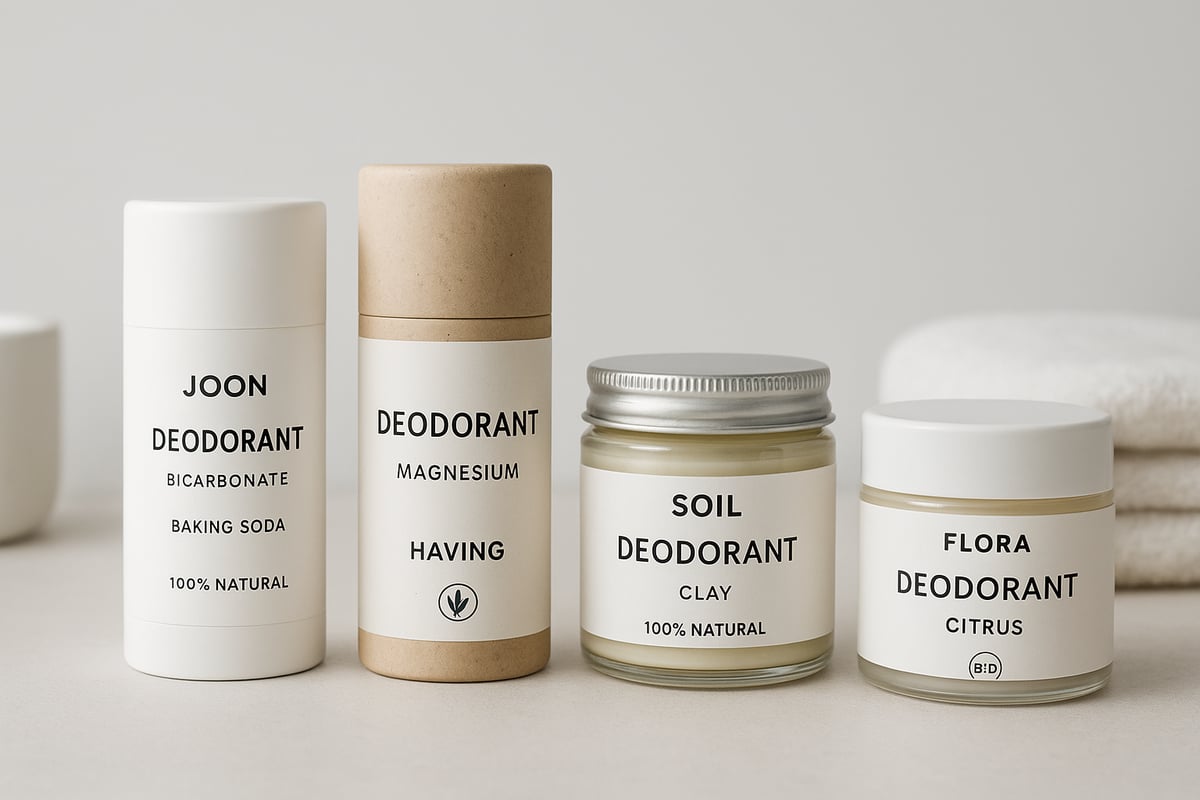
The composition is the first key to an effective deodorant. Opt for natural ingredients with antibacterial and absorbent properties, such as baking soda, essential oils, clay, or magnesium. These active ingredients neutralize odor-causing bacteria and respect the skin's microbiome.
Here is a summary table to guide you:
| Ingredients to prioritize | Ingredients to avoid |
|---|---|
| Baking soda | Aluminum salts |
| Antibacterial essential oils | Parabens |
| Clay, magnesium, zinc, corn starch | Phthalates, silicones, alcohol |
Be wary of controversial substances that can irritate or disrupt the skin's balance. In fact, 68% of consumers now avoid aluminum. Opt for organic, vegan, and hypoallergenic labels, and keep an eye out for recent innovations, such as short formulas without synthetic fragrances. To learn more, check out "Organic Deodorant: Everything You Need to Know, " which details the benefits of healthy and certified formulas.
Adapted to skin type and perspiration level
An effective deodorant should also suit your skin type and lifestyle. If you have sensitive skin, opt for gentle formulas, without baking soda or with few essential oils, to avoid redness.
For normal to combination skin, you can choose between a stick, balm, or cream depending on your preferred texture. Those prone to excessive sweating will benefit from choosing natural astringent ingredients, such as witch hazel or alum stone.
Tip: Try several textures to identify the one that suits you best. The secret to an effective deodorant is the perfect match between formula, format, and personal needs.
Long-lasting effectiveness and ease of use
The promise of an effective deodorant doesn't end with the formula: it must deliver on its promises of long-lasting protection. Opt for products claiming 24-hour or 48-hour protection, but check customer reviews to see if this is actually the case.
Ease of use is also important: the product must be easy to apply, dry quickly, and leave no marks on clothing. Some independent tests show that natural deodorants now rival conventional versions in terms of protection duration, while offering better tolerance.
In short, the effectiveness of a deodorant depends on the quality of its ingredients, its suitability for your skin, and its long-lasting effect. Take the time to compare, try, and choose with confidence.
Innovations 2026: New trends and technologies in deodorant
The world of effective deodorant is evolving at an impressive pace in 2026. Technological and ecological innovations are transforming our routines and offering increasingly sophisticated solutions to meet our daily needs. Let's explore together the trends shaping this rapidly changing market.
Smart and personalized deodorants
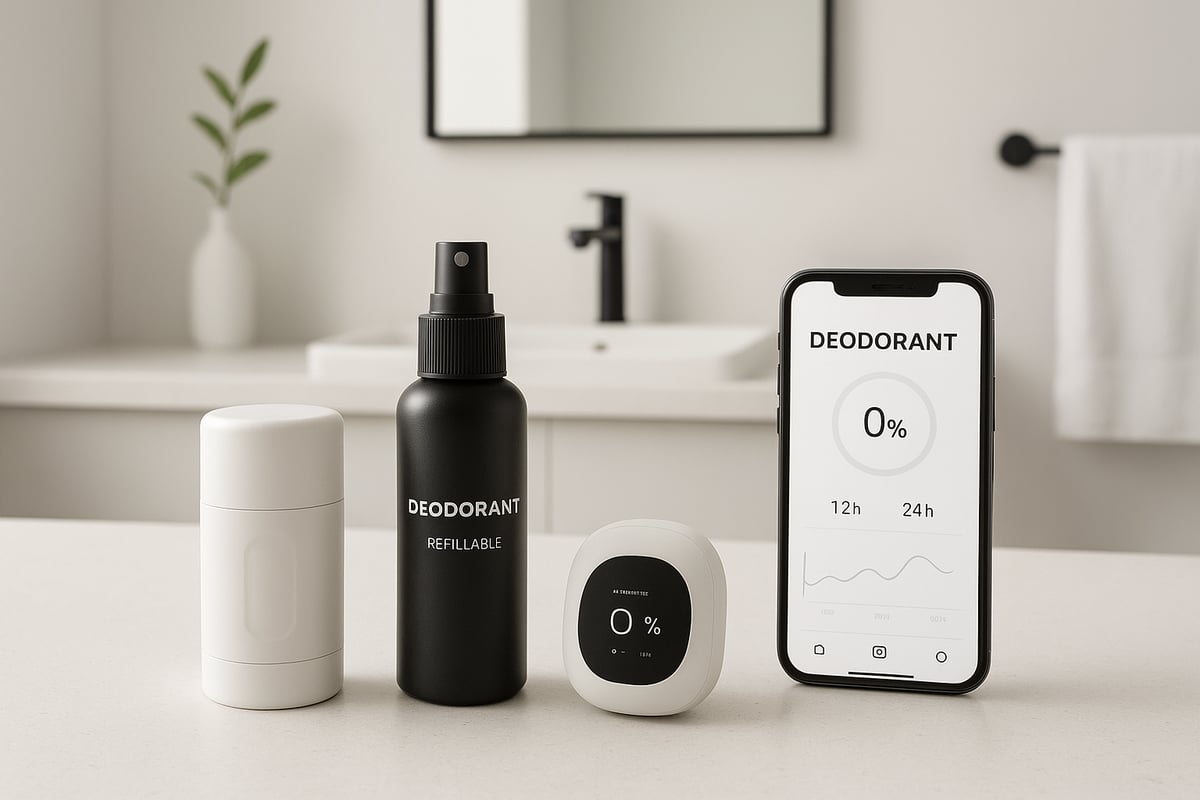
By 2026, personalization is coming to the world of effective deodorant. Smart deodorants now incorporate sensors capable of analyzing odor or perspiration levels in real time. Connected to mobile apps, they offer personalized recommendations to adjust application frequency or choose the ideal formula.
Some formulas even adapt to the pH or perspiration detected on the skin. This technology offers a personalized experience, tailored to each lifestyle and individual. The market for these customized deodorants is experiencing 12% annual growth, a testament to their increasing popularity with discerning consumers.
Those who prefer connected solutions appreciate the ease of use and precise tracking of their routine. Thanks to these advancements, finding an effective deodorant is easier and more intuitive than ever.
New formulations and eco-friendly packaging
The quest for an effective deodorant is accompanied by a veritable revolution in packaging and textures. Refillable solid sticks, propellant-free sprays, and compostable packaging are emerging as new standards, driven by brands committed to reducing their carbon footprint.
Swiss and European innovations stand out for their creativity, favoring recycled materials and zero-waste processes. This new generation of products limits the presence of microplastics and reflects a responsible approach. According to an analysis of the natural deodorant market , the demand for eco-friendly and innovative solutions continues to grow, pushing the industry to reinvent itself.
Choosing eco-friendly packaging also means encouraging the preservation of our planet while enjoying an effective deodorant that aligns with our values.
Examples of pioneering brands
Several brands are playing a leading role in these innovations and inspiring the effective deodorant sector. In 2025-2026, Swiss and European companies launched compostable sticks or refillable systems that appeal due to their simplicity and positive impact.
These brands focus on short, natural formulas, free of aluminum and endocrine disruptors. User feedback highlights long-lasting effectiveness and genuine comfort of use, even for sensitive skin.
The commitment goes beyond the product itself: local production, plastic-free logistics, and transparency regarding ingredients. These choices reflect a desire to combine performance, health, and respect for the environment. For us, as consumers, this means the assurance of finding an effective deodorant that is part of a healthy and sustainable approach.
Practical tips to maximize the effectiveness of your deodorant
Finding an effective deodorant isn't enough; you also need to know how to use it properly to unlock its full potential. Here are our practical tips to make each application a true moment of well-being, tailored to your daily routine. Together, let's optimize your routine to stay fresh and confident all day long.
Optimal application routine
To ensure effective deodorant application, always start with clean, completely dry skin. Apply your product after showering, but wait a few minutes if you have just shaved or waxed.
- Use the amount recommended on the label.
- Massage gently to distribute evenly.
- Apply in the morning, and if necessary, at the end of the day.
Tip: Exfoliating your armpits once a week helps limit bacterial growth and optimizes the product's effectiveness.
Factors that reduce efficiency
Even the best and most effective deodorant can have its performance reduced if certain factors are not taken into account. Applying it to damp skin, right after shaving, or to an irritated area can cause discomfort and decrease protection.
- Opt for clothing made from natural fibers to allow the skin to breathe.
- Limit the use of synthetic fabrics during periods of high heat.
- Diet also plays a role: garlic, spices or alcohol can accentuate odors.
To learn more about what really influences the effectiveness of a product, see this study on the effectiveness of natural deodorants .
Tips for prolonging the wear
An effective deodorant should last as long as possible. To achieve this, adopt a few simple steps:
- Wear loose, breathable clothing.
- Reapply in case of intense physical activity or high temperatures.
- Store your deodorant away from heat and light.
Feel free to carry a mini version or wipes with you for discreet touch-ups during the day. This way, your protection remains optimal, even on busy days.
Solutions for excessive sweating
If you tend to sweat a lot, there are additional solutions to enhance the effectiveness of your deodorant:
- Combine it with a natural absorbent powder.
- Use natural deodorant wipes when travelling.
- Consult a professional if sweating becomes bothersome or persistent.
Remember, every body is unique. Sometimes you need to try several formulas or routines before finding the one that works best for you.
Natural alternatives and DIY: homemade recipes and solutions
Choosing a natural alternative in your quest for an effective deodorant is also about taking care of yourself and the planet. Natural formulas are increasingly popular because they respect the skin, limit the risk of irritation, and preserve the skin's microbiome. Furthermore, they reduce exposure to endocrine disruptors and allergens found in many conventional products.
Did you know that 52% of French people try at least one natural alternative per year? This trend reflects a real need for gentler and more transparent solutions for an effective daily deodorant.
Why choose natural?
Choosing an effective, natural deodorant means opting for greater safety and gentleness. Natural formulas minimize the risk of irritation, are better suited to sensitive skin, and help respect the skin's microbiome.
By avoiding aluminum salts, parabens, and synthetic fragrances, you also reduce your exposure to controversial substances. Those who prefer natural products appreciate the transparency of the ingredients and the satisfaction of creating a customized product. Furthermore, making your own effective deodorant helps reduce waste and save money.
Effective homemade recipes
There are many DIY recipes for creating an effective deodorant at home. The most popular combines baking soda, coconut oil, and cornstarch. Mix these ingredients in equal parts, add a few drops of lavender or tea tree essential oil (following the safety precautions), and then store in a small airtight container.
You can also make a deodorant spray with sage hydrosol and essential oils, ideal for sensitive skin. For more ideas and detailed tips, discover how to make your own natural deodorant simply and quickly.
A good, effective homemade deodorant should be tested on a small area before daily use, especially if you are prone to allergies.
Focus on alum stone and other natural ingredients
Alum stone is an ancient natural alternative, renowned for its astringent and antibacterial properties. It works by depositing a protective mineral film on the skin, inhibiting the growth of odor-causing bacteria while allowing the skin to breathe.
Compared to baking soda, magnesium, or white clay, alum stone is particularly suitable for sensitive skin seeking an effective, fragrance-free deodorant. Baking soda is highly absorbent but can cause irritation, while clay and magnesium are gentle and respectful of the skin's microbiome. Therefore, everyone can find the ingredient that best suits their needs.
Limitations and precautions of DIY solutions
Even a natural, effective homemade deodorant isn't without risk. It's essential to respect the measurements, mix the ingredients thoroughly, and always test the product on a small area of skin. Essential oils, for example, should be used with caution, especially by pregnant women and children.
An incorrect formulation can cause skin reactions. Remember to regularly update your recipe and store your preparations in clean containers, away from heat and humidity. If you have any doubts or experience persistent irritation, don't hesitate to consult a healthcare professional.
Basic's minimalist and eco-friendly solutions.
In the quest for an effective, healthy, and skin-friendly deodorant, the Swiss brand basic. is emerging as a leader in 2026. Their philosophy? To offer minimalist, natural skincare products suitable for all families who want to combine simplicity, effectiveness, and ethics in their daily lives. This choice is attracting a growing number of consumers concerned about their well-being and that of the planet.

The strength of basic. deodorants lies in their ultra-short formula: no aluminum, no parabens, no alcohol, and no synthetic fragrances. The formulas are enriched with natural ingredients chosen for their antibacterial effectiveness and their gentleness on sensitive skin. Carefully selected essential oils enhance protection while respecting the skin's natural balance. To learn more about the role of essential oils in an effective deodorant, discover Essential Oils and Deodorant .
The KIIMA refillable system is appealing thanks to its zero-waste approach and 100% recyclable packaging. This innovative choice reduces carbon footprint while simplifying beauty routines. Customer reviews are unanimous: over 1,000 reviews and a 4.8/5 rating demonstrate the trust placed in this long-lasting, effective deodorant.
Suitable for the whole family, including children and pregnant women, basic. is also committed to local production, plastic-free logistics, and free delivery on orders over CHF 70. It's the ideal solution for those who want to combine performance, health, and ecology in their daily routine. Why not try it and join the growing community of fans of the effective basic. deodorant?
Frequently Asked Questions: Everything you need to know about effective deodorant
Do you have a thousand questions before adopting an effective deodorant into your routine? We have gathered here the answers to the most common questions, to help you make informed choices and take care of your well-being every day.
Frequently asked questions and expert answers
What is the difference between a deodorant and an antiperspirant?
An effective deodorant neutralizes odors by limiting bacterial growth, while an antiperspirant reduces sweat production using agents like aluminum salts. If you simply want to control odor without blocking natural perspiration, opt for a deodorant.
Are natural deodorants really effective all day long?
Yes, many natural formulas offer long-lasting protection. Effectiveness depends on the ingredients, your skin type, and your activity level. To choose an effective and safe deodorant, consult Yuka's ranking of the best deodorants , which compares effectiveness and safety.
Can you use a natural deodorant right after shaving?
It's advisable to wait a few hours after shaving before applying an effective deodorant, even a natural one. This reduces the risk of irritation, especially if your formula contains baking soda or essential oils.
How to manage the transition period to a natural deodorant?
Initially, the skin may react while it regains its balance. It's normal to sometimes experience a temporary increase in odor. Patience, moisturizing, and gentle underarm exfoliation will facilitate adaptation to an effective natural deodorant.
What are the long-term risks of conventional deodorants?
Some ingredients (aluminum salts, parabens, phthalates) are controversial due to their potential to irritate or disrupt the endocrine system. Choosing an effective deodorant with natural ingredients reduces these risks and respects your skin's microbiome.
Are there any solutions for very sensitive or allergic skin?
Yes, opt for hypoallergenic formulas, free of synthetic fragrances and alcohol, and always test on a small area first. Minimalist or certified organic deodorants are often better suited to sensitive skin.
How long does a stick or jar of natural deodorant last?
On average, a 50g stick or jar lasts between 2 and 3 months depending on the frequency of use and the amount applied each time.
What specific advice is there for teenagers and athletes?
Choose an effective, dermatologically tested deodorant suitable for heavy perspiration, without controversial ingredients. Athletes will appreciate formulas based on zinc, magnesium, or clay, which absorb moisture while remaining gentle.
| Question | Short answer |
|---|---|
| Difference between deodorant and antiperspirant | Neutralizes odor vs. blocks perspiration |
| Natural effectiveness all day long? | Yes, depending on the formula and activity |
| Use after shaving? | Wait a few hours to avoid irritation |
| How long does one stick/pot last? | 2 to 3 months under normal use |
Do you have other questions about choosing an effective deodorant or how to apply it? Don't hesitate to consult experts or try different formulas to find the one that suits you best.
After exploring together all the tips for choosing a truly effective deodorant that's kind to both your skin and the planet, you'll see that it's possible to combine performance, simplicity, and ethics in your daily routine. At basic., we share this vision of minimalist, natural, and caring skincare—that's what makes their formulas so unique and reassuring. If you want to take the step towards a healthy deodorant, without compromising on yourself or the environment, you can try it now and join a community that simply takes care of itself.