


The Ultimate Cleanser Guide: Tips and Tricks 2026
Discover our ultimate 2026 cleanser guide for radiant skin: typical cleanser advice, expert tips, and innovations to help you make the right choices.

Do you dream of radiant, healthy skin by 2026? The secret often starts with a suitable cleanser, used correctly. Faced with an abundance of products and sometimes contradictory advice, it's not always easy to find your way or make the right choice for your skin.
That's why we've designed this ultimate cleanser guide: clear definitions, an overview of existing types, selection criteria, usage steps, mistakes to avoid, and the latest innovations to know for 2026.
You'll discover how a simple, well-executed gesture can transform your beauty routine and reveal the best version of your skin. Ready to adopt the right practices and see visible results? Join us for this comprehensive overview of cleansing.
What is a Cleanser? Definition, Roles and Differences
Understanding what a cleanser is is the first step towards an effective skincare routine. The word "cleanser" has become ubiquitous in modern cosmetics, referring to all products that cleanse, purify, or remove makeup from the skin. But what does this term really mean, and why is it generating so much buzz in 2026? Let's explore every facet of this essential product together.
Definition and terminology
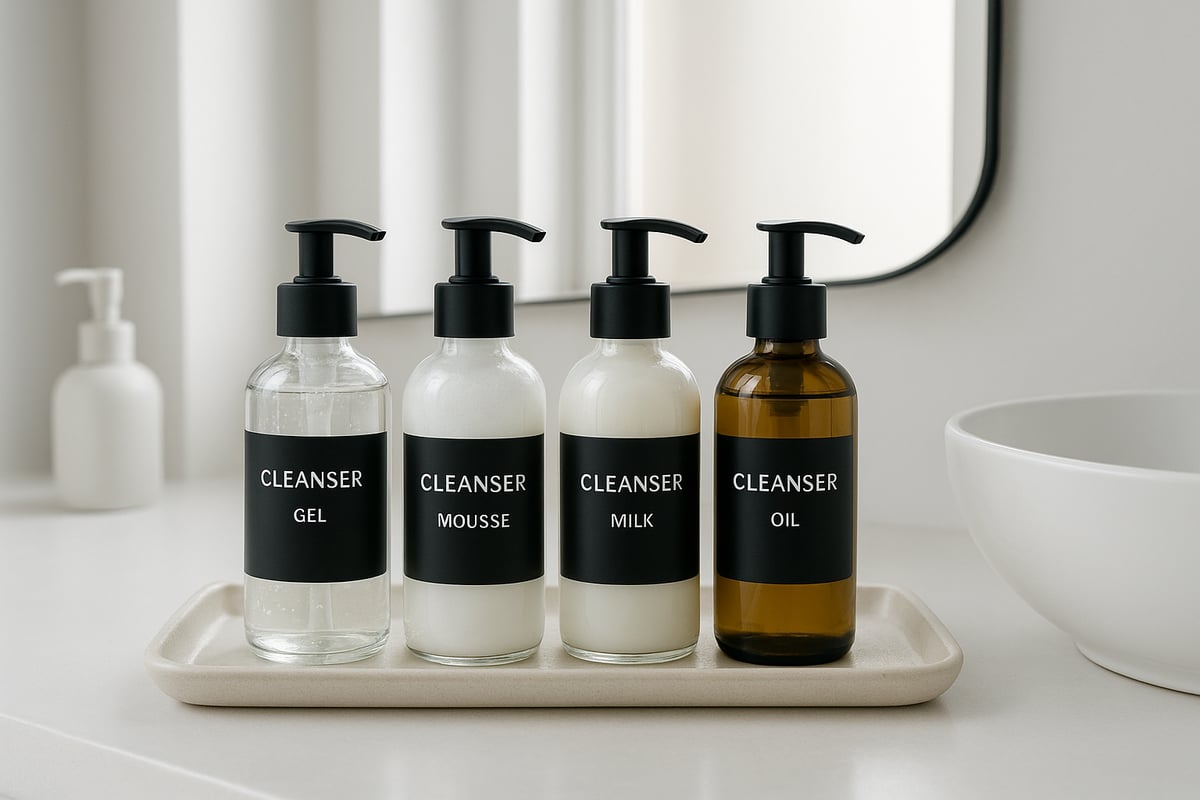
The term "cleanser" comes from English and has become established in the beauty industry to refer to a cleanser, makeup remover, or exfoliator, depending on the formula. Unlike traditional soap, a cleanser is specifically designed to be gentle on the skin. It comes in various textures, such as foam, gel, milk, or cream. Each type of cleanser addresses a specific need. For example, a "face cleanser" targets the face, while a "milk cleanser" is a gentle cleansing milk. The word "cleanser" can also be applied to other areas, such as leather or textiles, but in cosmetics, it primarily refers to facial care.
The essential roles of the cleanser in the beauty routine
Cleansing plays a fundamental role: it removes impurities, excess sebum, pollution, and makeup accumulated daily. Proper cleansing prepares the skin to receive subsequent treatments, such as serum or moisturizer. It also prevents blemishes and helps maintain a balanced skin microbiome, thus limiting premature aging. Did you know that 70% of dermatologists recommend gentle cleansing morning and evening? To learn more about best practices, consult the Facial Care FAQ .
Facial cleanser vs. cleanser for other uses
Not all cleansers are created equal, especially depending on the surface being treated. A facial cleanser is formulated to respect the skin, which is often more delicate than other materials. Conversely, a cleanser for leather or textiles, like the one from Saphir Médaille d'Or, aims to preserve the material without damaging it. Using an unsuitable product can cause irritation or dryness, whether on skin or on a precious object. It is therefore essential to choose the right cleanser for the intended use to guarantee effectiveness and safety.
The advantages of a good cleanser
Choosing the right cleanser means giving your skin clarity, suppleness, and radiance. Regular cleansing reduces clogged pores and blackheads, while optimizing the absorption of active ingredients. The feeling of freshness after each use is immediate, and many testify to a real transformation: “The foaming cleanser revealed my skin's natural radiance.” Ultimately, a good cleanser is the promise of healthy, radiant skin, day after day.
The Different Types of Cleansers and Their Specific Characteristics
Finding the perfect cleanser can seem like a puzzle with the multitude of formulas available in 2026. Each type of cleanser addresses unique needs, whether for facial skin, leather or textile care, or adopting a more natural routine. Let's explore the different categories of cleansers, their specific characteristics, and how to make the best choice for your needs.
Facial cleansers: a complete overview
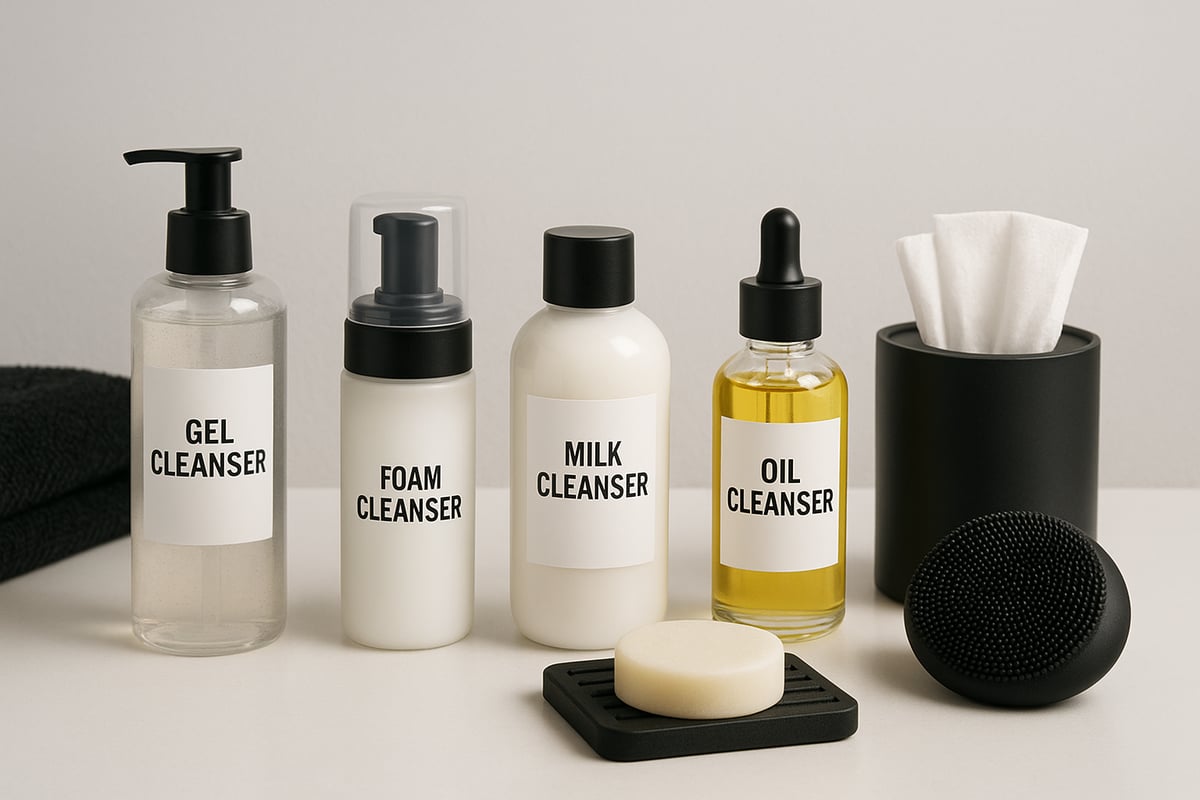
Given the diversity of skin types, choosing the right facial cleanser is crucial. Cleansing gels are popular with combination to oily skin thanks to their purifying effect and ability to regulate excess sebum. Cleansing foams, with their airy texture, are ideal for sensitive or reactive skin, offering gentle cleansing without irritating the epidermis.
For dry or mature skin, cleansing milks and creams provide nourishment and comfort while removing impurities. Cleansing oil, meanwhile, is the star of double cleansing, ideal for dissolving waterproof makeup and stubborn sunscreens. Micellar water, practical and suitable for all skin types, simplifies the routine in one simple step.
Here is a comparison table for better visualization:
| Type of cleanser | Skin type | Key advantage |
|---|---|---|
| Cleansing gel | Mixed/Fat | Purifying, fresh |
| Cleansing foam | Sensitive | Softness, lightness |
| Cleansing Milk/Cream | Dry/Mature | Nutrition, comfort |
| Makeup removing oil | All types | Effective makeup removal |
| Micellar water | All types | Practicality, softness |
A good facial cleanser prepares the skin to receive other treatments and helps reveal its natural radiance. Taking the time to choose the right cleanser is already giving your skin the best.
Cleansers for leather, textiles and objects
The word "cleanser" isn't limited to cosmetics. In the world of leather, shoes, and delicate textiles, choosing the right cleanser is crucial for preserving the quality of the materials. For example, a specific cleanser for smooth leather, like the one in the Saphir Médaille d'Or range, cleans gently without damaging the patina or glaze.
Using an unsuitable cleanser, intended for skin, on shoes or bags can cause irritation, dryness, or dullness. Textile cleaners, on the other hand, are designed to be gentle on delicate fibers while effectively removing stains and dirt.
Here are some tips:
- Always test the cleanser on a small, hidden area.
- Follow the manufacturer's instructions.
- Opt for gentle formulas that are suitable for the surface.
Choosing the right cleanser means extending the lifespan of your favorite items while preserving their original appearance.
Natural and organic cleansers: trends for 2026
The trend for natural cleansers is accelerating in 2026. Consumers are looking for vegan formulas, free of sulfates and silicones, that are kind to both skin and the environment. Labels like Ecocert, Cosmos, and the Vegan Society make it easier to identify organic and ethical cleansers.
A natural cleanser offers numerous benefits: reduced risk of allergies, respect for the skin's microbiome, and a smaller environmental impact. Minimalist formulations, enriched with plant oils or botanical extracts, are appealing due to their proven effectiveness and gentleness.
The natural cleansers market has seen growth of +18% in 2025, according to statistics on natural cleansers . This momentum encourages brands to offer increasingly eco-friendly and effective innovations, so that every cleanser becomes an ally for our well-being and the planet.
Innovations and new textures to watch out for in 2026
By 2026, the world of cleansers is teeming with innovation. Solid cleansers, in stick or powder form, are revolutionizing beauty routines by offering an economical and zero-waste solution. Hybrid textures, such as gel-oils or mousse-creams, combine effectiveness with a pleasant sensory experience.
The integration of probiotics, enzymes, and anti-pollution ingredients into cleansers boosts skin protection and vitality. User feedback praises the convenience and visible results of these new products. Trying a new cleanser texture also rekindles the desire to take care of yourself every day.
How to choose the right type of cleanser for you?
Finding the perfect cleanser starts with assessing your skin type and specific needs. A sports routine, daily makeup application, or frequent travel will influence the choice between a gel, an oil, or micellar water.
It's advisable to test the cleanser's tolerance, alternate textures according to the seasons, and consult dermatologists if needed. To accurately identify your skin type, feel free to use tools like the "Discover Your Skin Type" quiz , which will guide you to the cleanser best suited to your needs. This way, every cleansing step becomes a personalized skincare experience.
Criteria for Choosing an Effective and Safe Cleanser
Finding the perfect cleanser isn't always easy, but a few key criteria can guide you. By taking the time to analyze the ingredients, suitability for your skin, safety, and ethical considerations, you maximize your chances of finding a beauty routine that's both effective and respectful.
Understanding the key ingredients
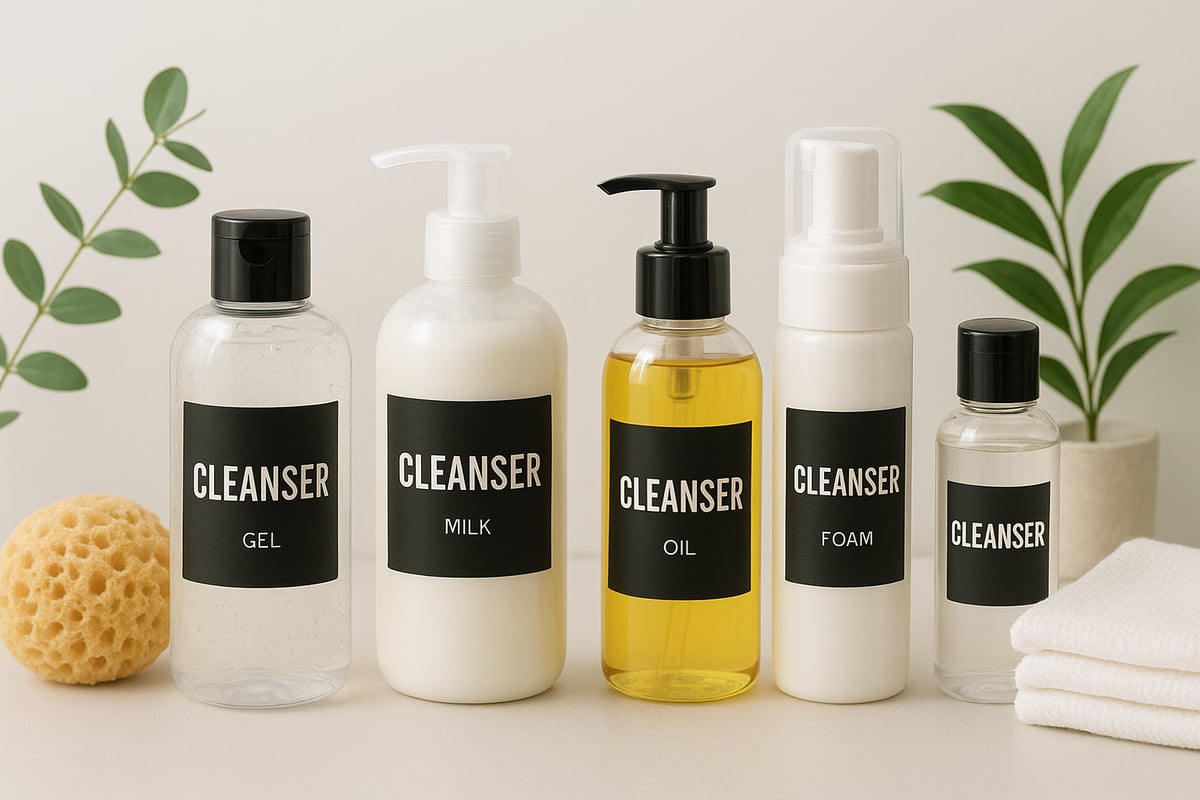
First and foremost, it's crucial to decipher the ingredient list of your cleanser. Opt for gentle cleansing agents, such as coconut derivatives or betaine, rather than harsh sulfates (SLS, SLES). These can irritate or dry out the skin.
Moisturizing ingredients, such as glycerin or hyaluronic acid, provide comfort and reduce tightness after using the cleanser. Be wary of controversial additives like parabens, synthetic fragrances, or alcohol, which are often sources of irritation.
In summary:
- Opt for mild surfactants
- Look for the presence of moisturizing agents.
- Avoid harsh or allergenic ingredients
A well-formulated cleanser respects the skin's natural balance and ensures optimal tolerance.
Choose a cleanser suited to your skin type
Each skin type has specific needs, and the choice of cleanser should take this into account. Oily skin will appreciate a purifying gel containing clay or zinc to regulate sebum production. Dry skin will prefer a milk or cream rich in plant oils and free of irritating surfactants.
For sensitive skin, choose a hypoallergenic cleanser that is fragrance-free and dye-free. Combination skin can alternate textures depending on the season or its needs. Remember, 60% of skin irritations are caused by choosing the wrong cleanser.
Key points to remember:
- Oily skin: purifying gel, zinc, clay
- Dry skin: milk, cream, gentle oils
- Sensitive skin: minimalist and gentle formula
- Combination skin: alternate depending on the area or season
Listen to your skin and adapt your cleanser according to its reactions.
Beware of allergies and intolerances
A cleanser can cause reactions if certain ingredients are not suitable for your skin. Before using a new product, perform a patch test on a small area. Watch for signs of intolerance: redness, tightness, itching, or small bumps.
Fragrances and preservatives are often the culprits behind allergic reactions. If in doubt, consult a dermatologist, especially if you have sensitive skin. Prevention is better than cure, as an unsuitable cleanser can worsen your skin problems.
Practical advice:
- Test the cleanser on your face before use.
- Quickly identify any unusual reactions
- Consult a professional if necessary.
Your safety is paramount when choosing a cleanser.
Value for money and durability
A quality cleanser isn't necessarily the most expensive. Analyze the cost per use, the bottle's lifespan, and the format (classic, refillable, solid). Solid or stick cleansers often last longer and generate less waste.
Opt for recyclable containers and eco-designed formats. Use the right amount to avoid waste. A good cleanser should be effective, economical, and environmentally friendly.
To consider:
- Product format (solid, gel, cream)
- Estimated usage time
- Recyclable or refillable packaging
By paying attention to these details, you optimize your investment and limit your environmental impact.
Labels, certifications and ethics
Labels are a valuable guide for choosing a cleanser that's kind to your skin, animals, and the planet. Organic, cruelty-free, or vegan certifications guarantee the brand's ethical commitment. Learn to recognize reputable labels and find out about their environmental commitments.
Transparency regarding composition and manufacturing is essential. Some pioneering brands in 2026 are actively committed to clean formulas and responsible production. To learn more, discover the cosmetic commitments and labels that will help you make an informed choice aligned with your values.
By choosing a certified cleanser, you are opting for committed, safe and sustainable beauty.
Key Steps to Using a Cleanser Like a Pro
Ready to unlock the full potential of your cleanser? Following the right steps transforms cleansing into a true pampering experience. Let's discover together how to use your cleanser like a pro, for radiant and healthy skin or surfaces, day after day.
Preparing the skin or surface to be cleaned
Before applying your cleanser, take the time to properly prepare the area to be treated. For the face, first remove makeup with an oil or micellar water if needed. Wash your hands thoroughly to avoid transferring impurities.
Dampen your skin with lukewarm water; this opens the pores without irritating the skin. For objects or leather, remove dust with a clean, dry cloth. Use a clean cotton ball for leather or a leather-specific wipe to avoid scratches.
This step ensures optimal cleansing effectiveness, whether for skin or delicate surfaces. Taking care with the preparation is already half the battle!
Applying the cleanser: techniques and quantities
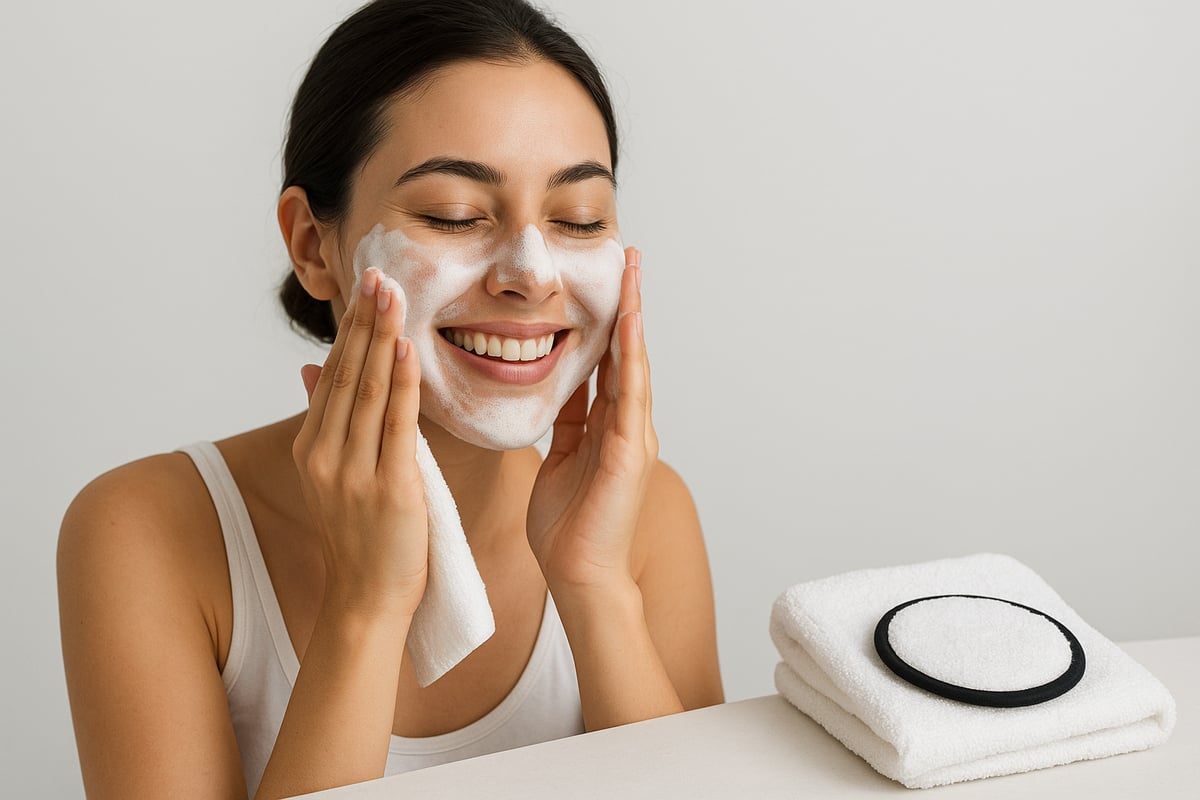
The secret to successful cleansing? The right amount of cleanser and the right application techniques! Take a small amount of product, whether it's gel, cream, or oil. Apply in gentle circular motions, paying particular attention to areas prone to impurities.
Be especially gentle around the eyes. On objects or leather, avoid rubbing too hard to prevent damaging the material. Using accessories like a reusable makeup remover wipe helps optimize cleanser application while being more environmentally friendly.
Remember: a little product well distributed is better than a large quantity used incorrectly. This method promotes deep cleaning without being harsh.
Optimal application and rinsing time
Each type of cleanser has its own requirements: some, especially creams or oils, need to be left on for a short time to dissolve makeup and pollution. Follow the instructions on the bottle.
Rinsing is crucial! Use clean, preferably lukewarm water, or a damp cloth to remove all residue. For leather, allow it to dry naturally, then buff gently.
Thoroughly rinsed skin absorbs subsequent skincare products better. A good rinse also reduces the risk of irritation and leaves a pleasant feeling of freshness after cleansing.
Drying and additional care
After rinsing, gently pat your skin dry with a clean towel, never rub. For objects or leather, allow them to air dry, away from any heat source.
This is the perfect time to apply a serum, moisturizer, or nourishing treatment. The cleanser prepares the skin to receive these active ingredients, allowing them to penetrate more effectively.
This gentle step prevents tightness and maximizes the benefits of the routine. Caring for skin or materials immediately after cleansing prolongs their beauty and radiance.
Frequency and ideal time of use
For the face, experts recommend using the cleanser morning and evening. In the morning, it removes sweat and sebum accumulated overnight. In the evening, it cleanses the skin of impurities, makeup, and pollution.
For objects, whether leather or textiles, adjust the frequency according to use. Weekly or monthly maintenance is often sufficient to preserve their new appearance.
Listen to your skin: if it feels tight or red, space out your cleansings or choose a gentler cleanser. Adjusting the frequency to your needs guarantees visible and lasting results.
Pro tips to boost efficiency
Want a spa-like clean? Try double cleansing: an oil followed by a foaming cleanser to remove all traces of makeup and impurities. Use soft tools like facial brushes, konjac sponges, or reusable wipes.
Alternate with a gentle exfoliation once a week to refine your skin's texture without irritating it. Also, remember to protect your skin's microbiome by avoiding harsh cleansers.
By adopting these tips, your cleansing routine becomes a pleasurable, effective ritual that respects your skin or your favorite items.
Common Mistakes and Myths About Cleansers
Navigating the world of cleansers can sometimes feel like navigating an obstacle course, with a multitude of conflicting advice and persistent beliefs. To help you adopt the right practices and avoid pitfalls, let's debunk the most common mistakes surrounding cleansers.
False beliefs to banish
Many myths about cleansers persist even in 2026. Many believe that the more a cleanser foams, the more effectively it cleans. In reality, foam is not a guarantee of performance and can even indicate the presence of harsh surfactants. Another common myth is that a single product can clean everything from your face to your shoes. Using an unsuitable cleanser can cause adverse reactions.
Another myth to forget: cleansing your skin more often than necessary will make it healthier. On the contrary, over-cleansing can disrupt the skin's balance. Let's take the time to choose a cleanser suited to each use and adopt good habits.
Common application errors
Even the best cleanser can become ineffective if used incorrectly. Common mistakes include using water that is too hot, which weakens the skin barrier, or ice-cold water, which closes pores and reduces cleansing effectiveness. Many people forget to rinse their cleanser thoroughly, leaving residue that can cause irritation.
The amount of product also plays a role: too little isn't enough, and too much can suffocate the skin. Finally, neglecting sensitive areas like the eye contour poses risks. According to a dermatological study on skin cleansing , nearly 35% of users apply their cleanser incorrectly, hence the importance of following expert advice.
The consequences of choosing the wrong cleanser
Choosing an unsuitable cleanser can have visible and lasting effects on the skin. Irritation, redness, tightness, or the appearance of blemishes are often the first warning signs. A cleanser that is too harsh can disrupt the skin's hydrolipidic film, making it more vulnerable to external aggressors.
Sometimes, instead of improving skin condition, a bad cleanser can worsen existing problems, such as acne or dryness. It's therefore essential to carefully observe your skin and note any unusual reactions after introducing a new cleanser into your routine.
How to correct your mistakes and readjust your routine
Good news: it's never too late to adjust your cleansing routine. Start by carefully observing your skin's condition after each cleanse. If you notice any discomfort, reduce the frequency of use or switch products.
Don't hesitate to ask a professional for advice on identifying a gentler or more targeted cleanser. Gradually adjust your application techniques, try new textures, and prioritize simplicity. With a few adjustments, your cleansing routine can quickly become a true ally for healthy, radiant skin.
Tips and Tricks for 2026 to Optimize Cleanser Usage
Taking care of your skin or your favorite items in 2026 also means knowing how to optimize the use of your cleanser. Routines evolve, tools improve, and innovations never cease to amaze. Let's discover together the essential tips to get the most out of each cleanser, while adopting the latest trends.
Customized routines tailored to your needs
By 2026, personalizing your cleansing routine will be key to balanced skin. Depending on your age, the season, or your environment, it's essential to adapt your products and application techniques. A gentle cleanser in the morning helps awaken the skin, while a more purifying cleanser in the evening removes pollution and makeup.
For young skin, opt for a minimalist routine: a light cleanser and simple hydration. Mature skin benefits from double cleansing, followed by a nourishing serum. In the city, an anti-pollution cleanser is a valuable ally.
Don't hesitate to adjust your routine with each change in your routine. A personalized routine with the right cleanser can lead to up to 40% more satisfaction, according to surveys.
The importance of accessories and tools
Accessories optimize the cleanser's effectiveness on a daily basis. Soft brushes, a konjac sponge, and reusable wipes improve cleaning while respecting the skin. For leather or textiles, use clean cloths specifically designed for each surface.
Maintaining your accessories is essential: wash them regularly to prevent the proliferation of bacteria. A well-chosen accessory allows the cleanser to penetrate better and amplify its effects.
Adopting the right tools transforms the use of the cleanser into a sensory and effective experience, both for the skin and for delicate objects.
Innovations to adopt in 2026
The year 2026 marks the arrival of smart, multifunctional cleansers. New products incorporate sensors that analyze the skin and adapt the formula for each use. Hybrid cleansers, capable of cleansing and treating simultaneously, are becoming increasingly popular.
The influence of K-beauty is evident in its innovative textures, such as sticks and powders, and the addition of probiotics. To learn more about the impact of K-beauty on the cosmetics market , discover how these innovations are transforming our relationship with cleanser.
Testing these new products means offering your skin or your belongings a cutting-edge routine focused on technology and well-being.
Tips to extend the life of your cleanser
To ensure your cleanser remains effective, store it away from heat and light. Use it sparingly: a small amount is often enough for optimal cleansing.
Clean the bottle or dispenser regularly to avoid residue. Reuse or recycle empty containers for an eco-friendly approach.
By adopting these habits, you save on product and contribute to a more sustainable and environmentally friendly cleansing routine.
Frequently Asked Questions about Cleansers
Do you have questions about cleansing and its daily use? We've gathered answers to the most frequently asked questions to help you confidently adopt a suitable routine. Our advice is designed to guide you, regardless of your level of expertise or skin type.
Can the same cleanser be used for both morning and evening use?
It's perfectly possible to use the same cleanser morning and night, but it's not always the ideal choice. In the morning, skin needs a gentle cleanse to remove the sebum produced overnight and prepare it to receive skincare products. In the evening, the cleanser should remove impurities, pollution, and makeup accumulated throughout the day.
Some people prefer to use a gentle cleanser in the morning, then a more purifying cleanser or a different texture in the evening, especially if their skin is exposed to pollution or makeup. According to experts, adapting your cleanser to each time of day can optimize skin balance and the effectiveness of subsequent skincare products. Moreover, the growth of the facial cleanser market shows that needs are evolving and routines are becoming increasingly personalized.
Is double cleaning essential?
Double cleansing involves first using an oil-based cleanser to dissolve makeup and sebum, then a water-based cleanser to remove any remaining residue. This method, highly recommended by experts, isn't necessary for everyone. It's particularly recommended if you wear makeup, high-strength sunscreen, or if you live in an urban environment with high pollution levels.
For sensitive or lightly exposed skin, a single application of a suitable cleanser is usually sufficient. Listen to your skin: if it feels perfectly clean, soft, and comfortable after just one cleanse, double cleansing isn't necessary. The important thing is to choose a cleanser that respects your skin type and your daily needs.
How do I know if a cleanser is right for me?
A suitable cleanser is recognized by the feeling of comfort it leaves on the skin. After a few days of use, your skin should feel clean, without tightness, redness, or irritation. A good cleanser leaves skin supple, fresh, and neither oily nor dry. To assess compatibility, observe your skin after 7, 14, and then 30 days of regular use.
If you notice any signs of irritation or imbalance, it's advisable to try a different cleanser or adjust the frequency of use. Don't hesitate to request a sample or consult a dermatologist to confirm your choice. Trust your instincts and how your skin reacts, as every cleansing routine should be personalized.
What to do in case of an allergic reaction?
If an allergic reaction occurs after using a cleanser, it is essential to stop using the product immediately. Rinse the affected area thoroughly with clean water, then apply a soothing treatment, such as a cream containing aloe vera or calendula. Monitor the reaction for 24 to 48 hours.
If redness, itching, or swelling persists, consult a healthcare professional promptly. To avoid further incidents, choose a hypoallergenic cleanser that is fragrance-free and free of harsh preservatives. Always perform a patch test on a small area before each use, and remember that your skin's safety is paramount.
After exploring the essentials of a good cleanser together and discovering how to make the best choices for your skin in 2026, you realize how much simplicity and quality make all the difference. At basic., we believe that sometimes very little is needed to reveal your natural beauty while respecting your skin and the environment. So, if you want to try a minimalist and effective approach, why not start with one of our flagship products that are 100% natural, vegan, and aluminum-free? I invite you to try it now and join our community that takes care of itself… simply.