


Repairing natural lip balm: complete guide 2026
Discover how to choose and use an effective natural repairing lip balm. Ingredients, benefits, and tips for soft lips.

Our lips are daily exposed to cold, wind, sun, and pollution. This delicate area, lacking sebaceous glands, deserves special attention with appropriate care. A natural repairing lip balm then becomes an indispensable ally to keep your lips soft, hydrated, and protected all year round. Unlike conventional formulas that sometimes contain irritating synthetic ingredients, natural balms offer a healthy and effective solution for deep repair and nourishment.
Why choose a natural repairing lip balm
Conventional lip balms often contain ingredients that create dependence. Some components, like petrolatum or silicones, form a superficial barrier without truly nourishing the skin. The result: you constantly need to reapply them.
A natural repairing lip balm works differently. It penetrates the skin to genuinely nourish it with vegetable oils and natural butters. This approach respects the natural balance of your lips while helping them regain their self-hydrating capacity.
The concrete advantages of natural formulations
For your health:
- No toxic ingredients or endocrine disruptors
- Respect for the skin microbiome of the lips
- Reduced risk of allergies and irritations
- Absorption without accumulation of synthetic substances
For the environment:
- Biodegradable ingredients
- Often recyclable or refillable packaging
- Production that respects ecosystems
- Absence of microplastics
The trend towards natural cosmetics continues to grow in 2026, and for good reason. Consumers are increasingly aware of the impact of their choices on their health and the planet.
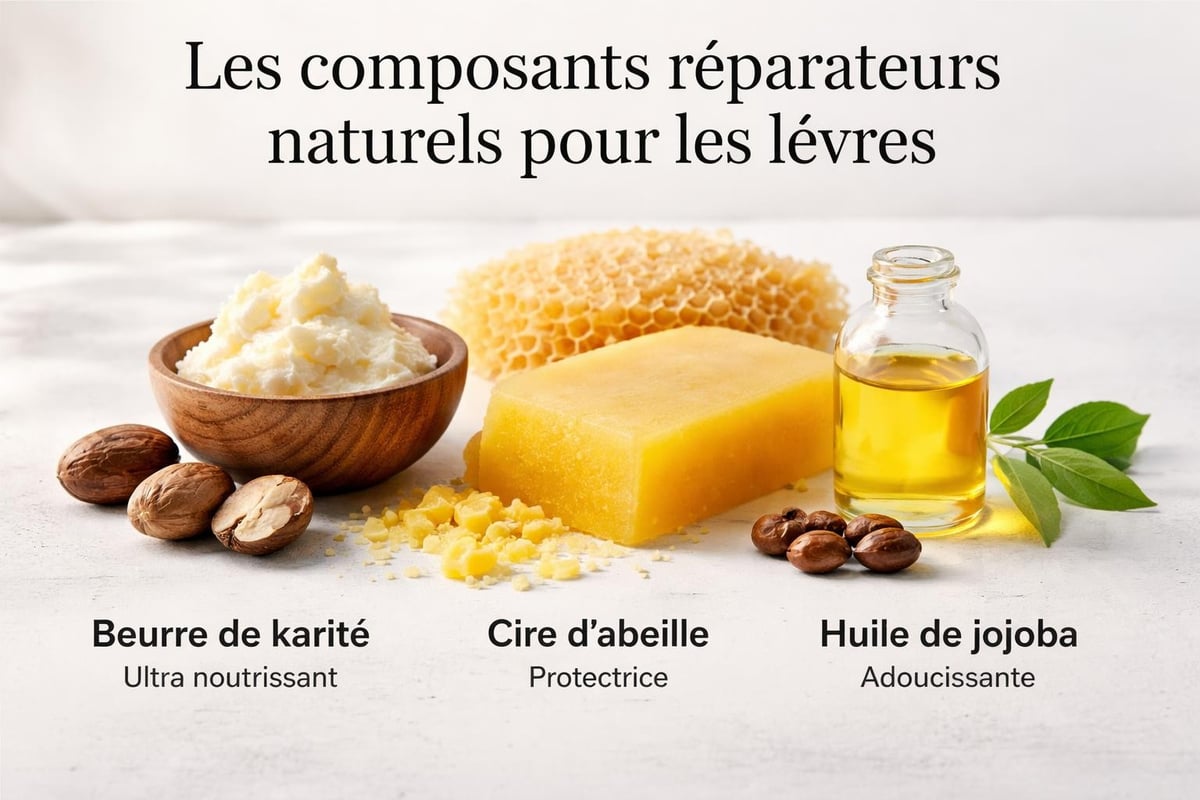
The star ingredients of an effective natural repairing lip balm
Not all natural balms are created equal. The quality and selection of ingredients make all the difference. Here are the essential components that guarantee optimal repairing action.
Shea butter: the essential repairer
Shea butter remains one of the most powerful ingredients for repairing damaged lips. Rich in vitamins A, E, and F, it has exceptional healing properties. Its creamy texture penetrates quickly without leaving an unpleasant greasy film.
| Ingredient | Main benefit | Secondary property |
|---|---|---|
| Shea butter | Intense repair | Natural UV protection |
| Beeswax | Protective barrier | Softening effect |
| Jojoba oil | Long-lasting hydration | Sebum regulation |
| Vitamin E | Antioxidant | Anti-aging |
| Coconut oil | Nourishing | Antibacterial |
Precious vegetable oils
Jojoba oil deserves a special mention. Its composition, similar to human sebum, allows for perfect absorption. It is suitable for all skin types, even the most sensitive. Sweet almond oil, on the other hand, instantly soothes irritated lips.
Calendula and chamomile oils add an anti-inflammatory dimension particularly useful for chapped lips. They calm redness and accelerate the healing of small cracks.
How to choose the best natural repairing lip balm
With the growing offer of natural products, how do you find your way? Here are the essential criteria to check before your purchase.
Deciphering the INCI list
The INCI list (International Nomenclature of Cosmetic Ingredients) is your best ally. Ingredients are listed in descending order of concentration. A good natural repairing lip balm will have vegetable oils and butters at the top of the list.
Beware of "fake natural" products:
- Avoid synthetic fragrances (mention "parfum" or "fragrance")
- Be wary of artificial colorants
- Avoid controversial preservatives (parabens, phenoxyethanol)
- Check for the absence of silicones (ending in "-cone" or "-siloxane")
Certifications that matter
Organic labels guarantee a level of quality and traceability. Cosmos Organic, Ecocert, Natrue, or Demeter are demanding certifications that validate the natural and organic origin of ingredients.
In Switzerland, natural cosmetics are experiencing remarkable development. Local brands often offer minimalist and effective formulations, with few ingredients but in the right dose.
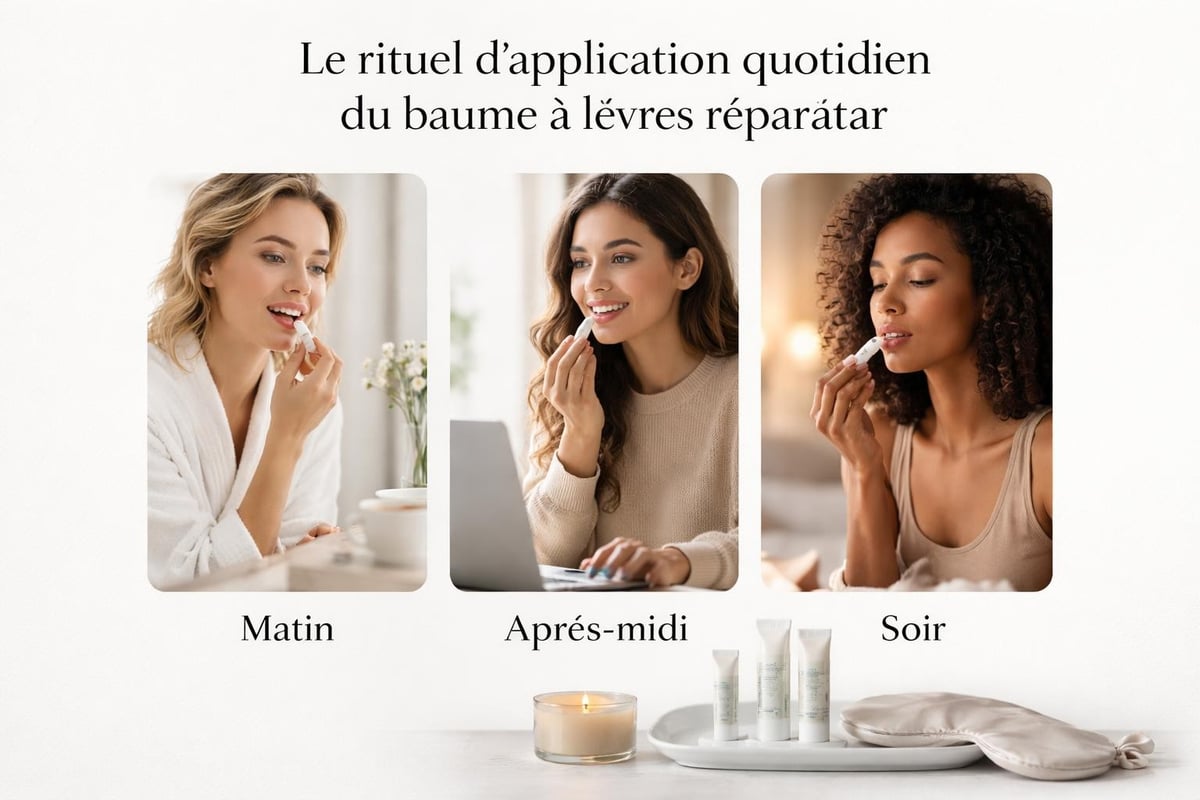
Essential steps for long-lasting repaired lips
Having an excellent balm is not enough. Your daily routine plays a crucial role in the health of your lips.
The morning and night routine
In the morning:
- Gently clean your lips with lukewarm water
- Pat dry (never rub)
- Apply a generous layer of balm
- Wait a few minutes before applying makeup
In the evening:
- Carefully remove makeup from the lip area
- Gently exfoliate once a week
- Apply a thick layer of repairing balm
- Leave on overnight for intensive repair
Mistakes to absolutely avoid
Licking your lips is the number one enemy. Saliva evaporates quickly, leaving lips even drier than before. This habit creates a vicious cycle of dehydration.
Excessive use of balms with exfoliating active ingredients can weaken the delicate skin. Prioritize gentleness and patience. Natural repair takes a few days, but it is long-lasting.
Solutions for every lip problem
Each situation requires a tailored approach. Here's how to use your natural repairing lip balm according to your specific needs.
Chapped and cracked lips
Deep cracks require immediate attention. Apply your balm every hour during the first few days. Look for formulations enriched with calendula or propolis for their accelerated healing properties.
Absolutely avoid peeling off dead skin. Let them detach naturally after hydration. A gentle sugar and olive oil scrub, once a week, helps remove dead cells without aggressing the skin.
Protection against cold and sun
The Swiss winter can be particularly harsh on the lips. A balm with a natural sun protection factor (zinc oxide) offers effective defense against mountain UV rays. Shea butter naturally has a light SPF, perfect for daily protection.
In summer, remember that lips burn as easily as skin. Reapply your balm after each swim or every two hours in direct sunlight.
| Problem | Solution | Application frequency |
|---|---|---|
| Mild chapping | Shea + jojoba balm | 3-4 times/day |
| Deep cracks | Calendula + propolis balm | Every hour |
| Winter prevention | Beeswax balm | 4-5 times/day |
| Sun protection | Balm with natural SPF | Every 2 hours |
Making your own natural repairing lip balm at home
Creating your own balm allows you to completely control the ingredients and adapt the formulation to your precise needs. It is also an economical and ecological approach.
Simple and effective basic recipe
Required ingredients:
- 2 tablespoons organic shea butter
- 1 tablespoon virgin coconut oil
- 1 teaspoon beeswax
- 3 drops vitamin E
- 2 drops lavender essential oil (optional)
Preparation:
- Melt the beeswax in a double boiler
- Add the shea butter and coconut oil
- Mix until a homogeneous texture is obtained
- Remove from heat and add vitamin E
- Pour into a small sterilized glass jar
- Let cool completely before use
This recipe keeps for about 6 months at room temperature, away from light and humidity.
Variations according to needs
For very damaged lips, replace coconut oil with calendula oil. If you are looking for a more melting texture, increase the proportion of oils and decrease the wax. Sensitive skin will appreciate the addition of soothing chamomile oil.
The importance of sustainable packaging
In 2026, the issue of packaging becomes as important as the formula itself. Lip balms generate a considerable amount of plastic waste each year. Fortunately, alternatives exist.
Refillable tubes are revolutionizing the market. Instead of discarding the entire applicator, you only replace the refill. This approach drastically reduces your ecological footprint while maintaining perfect hygiene. A well-designed refillable lip balm combines practicality and durability, with a simple gesture that makes all the difference for the planet.
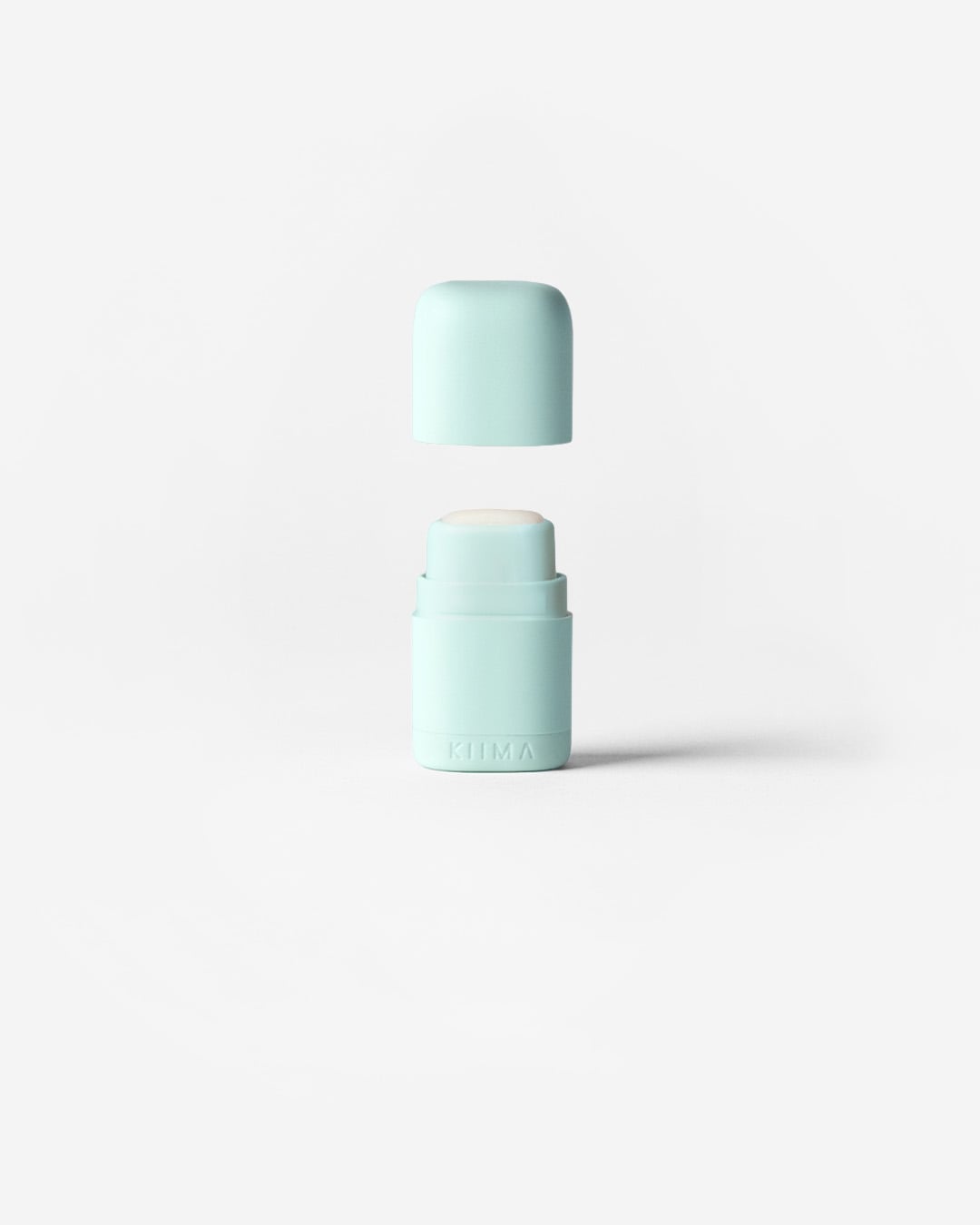
Eco-friendly containers to favor
Zero-waste options:
- Recyclable glass jars
- Compostable cardboard tubes
- Bamboo or wood applicators
- Innovative refill systems
Solid formats, without containers, are also gaining popularity. Practical for travel, they apply directly to the lips like a classic stick, but without plastic.
Integrating balm into a minimalist beauty routine
The minimalist philosophy in cosmetics advocates the use of versatile and effective products. Your natural repairing lip balm fits perfectly into this approach.
Multiple uses of balm
Beyond the lips, your balm can serve as emergency care for various areas:
- Dry and damaged cuticles
- Rough elbows and knees
- Minor skin irritations
- Split hair ends
- Taming unruly eyebrows
This versatility justifies investing in a quality product. A single product replaces several specialized tubes, simplifying your beauty kit.
Coordinating with your other natural skincare products
A natural repairing lip balm harmonizes perfectly with a range of natural face care. A holistic approach works best: healthy skin, healthy lips. The overall hydration of your face directly influences the condition of your lips.
Drink enough water, adopt a diet rich in essential fatty acids, and protect yourself from external aggressions. These simple actions multiply the effectiveness of your balm.
2026 trends in natural lip balms
The market is evolving rapidly, driven by growing environmental awareness and formulation innovations. Consumers are looking for products that combine effectiveness, naturalness, and environmental responsibility.
New natural active ingredients
Research in natural cosmetics constantly identifies new high-performing plant ingredients. Baobab oil, cupuaçu butter, or immortelle flower extract now enrich the most advanced formulas. These active ingredients provide exceptional repairing benefits while remaining 100% natural.
Probiotics are also making their appearance in lip balms. They strengthen the natural skin barrier and improve the overall health of the lip skin.
The rise of local and transparent products
Swiss natural cosmetics brands stand out for their total transparency. Ingredient traceability, ethical production conditions, short supply chains: these values strongly resonate with conscious consumers.
The "less but better" trend is gaining ground. Short formulas, with a maximum of 5 to 10 ingredients, are becoming the norm. This simplicity guarantees effectiveness and optimal tolerance, even for the most reactive skin.
Frequently asked questions about using repairing balms
Can a natural repairing lip balm be used under lipstick?
Absolutely! Apply a thin layer in the morning and let it absorb for 5 minutes before your makeup. This nourishing base even improves the hold and appearance of your lipstick. Just avoid overly rich formulas that could cause the color to bleed.
How long does it take to see results?
Slightly dry lips improve after the first application. For severe chapping, allow 3 to 5 days of regular use. Patience is essential: natural repair takes longer than chemical solutions, but it is long-lasting and healthy.
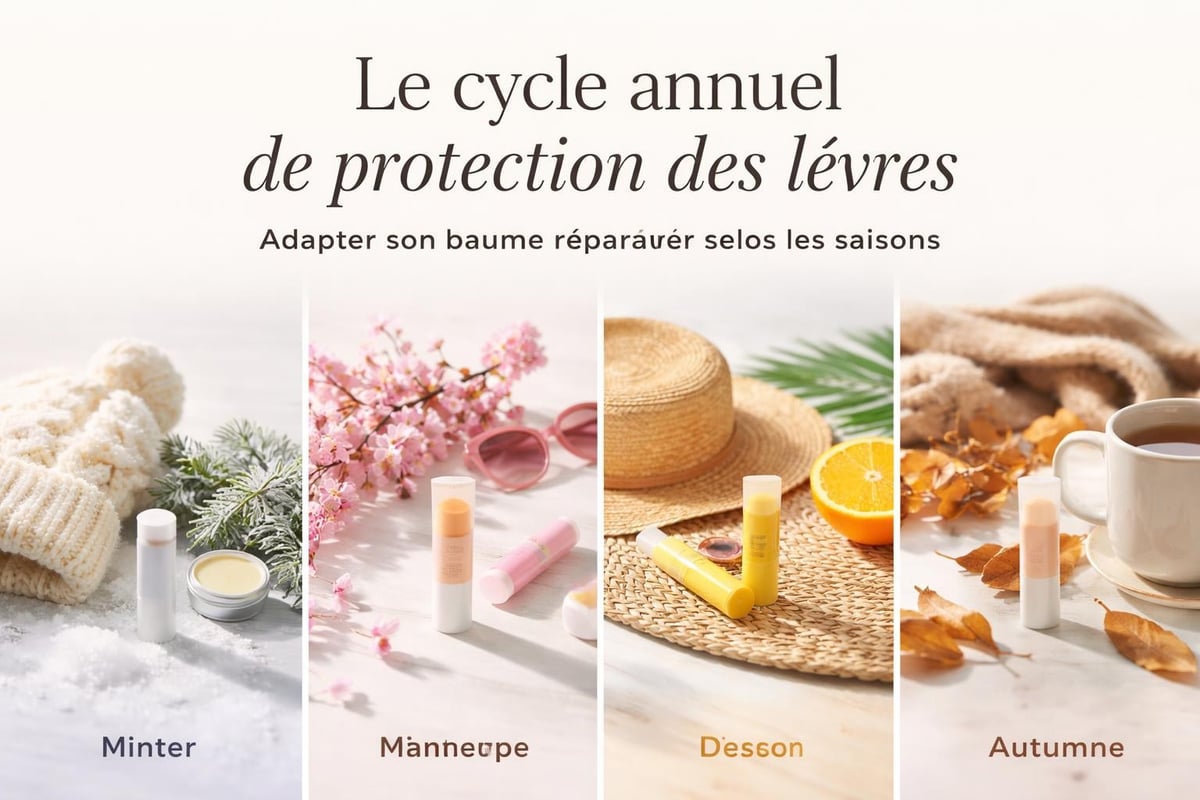
Should the balm be changed according to the seasons?
Ideally, yes. In winter, favor formulas rich in wax for maximum protection against the cold. In summer, opt for lighter textures with sun protection. This seasonal adaptation optimizes the benefits of your skincare routine.
Caring for your lips with a natural repairing lip balm is much more than a simple beauty gesture: it's a conscious choice for your health and the environment. By favoring minimalist and effective formulations, you offer your lips exactly what they need, without excess. At basic., we share this vision of effective natural cosmetics, with products formulated with few ingredients but in the right dose. Discover our Swiss approach to natural beauty and join a community that believes in the power of simplicity.