


Antiperspirant Deo Versus Deodorant: The 2026 Duel
Discover our 2026 comparison of antiperspirant deodorants and deodorants to help you choose the right one for your health, effectiveness, and environmental needs. Expert advice to guide you.

In 2026, the battle between antiperspirant deodorant and deodorant intensifies, with each side vying for dominance in the fight against odor and perspiration. Yet, confusion still reigns: should you choose one or the other for your health, effectiveness, or environmental impact? This article guides you step by step to understand and compare these two solutions. You'll discover definitions, mechanisms, innovations, user profiles, and tailored advice. Together, let's take stock so you can confidently choose the product that truly suits you.
Understanding the difference: antiperspirant deodorant vs. deodorant
It's not always easy to distinguish between an antiperspirant deodorant and a classic deodorant, especially with the sheer number of options available in 2026. Many people still confuse these two types of products, even though they address very different needs. Understanding their differences, uses, and effects is essential for making an informed choice that suits your daily routine.
Precise definitions and regulations
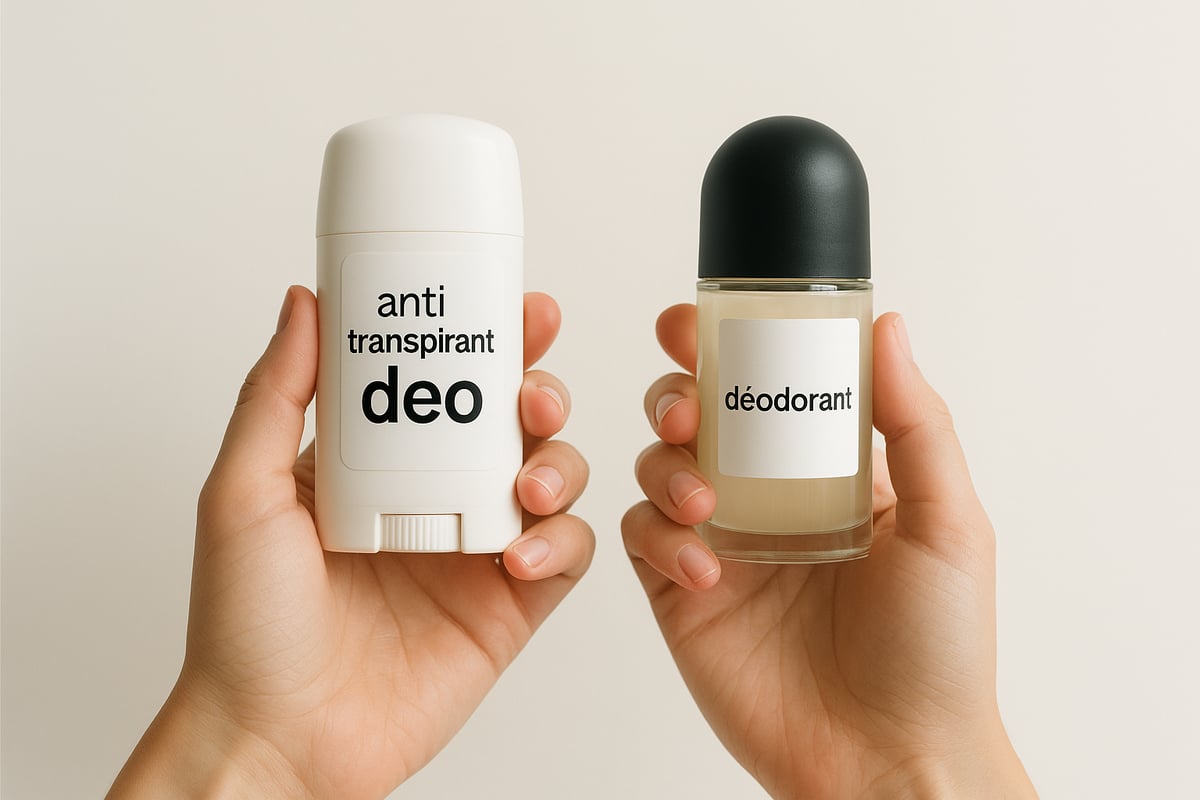
In 2026, the distinction between deodorant and antiperspirant remains fundamental. Deodorant primarily targets odor. It neutralizes the bacteria responsible for unpleasant smells without altering the natural process of perspiration. Antiperspirant, on the other hand, aims to reduce or temporarily block sweat production by acting directly on the sweat glands.
European and French regulations have mandated very clear labeling since 2025. Manufacturers must explicitly state whether the product is an antiperspirant deodorant or simply a deodorant. This helps to limit confusion, but many consumers still hesitate, as some products combine both functions.
A table to help clarify things:
| Product type | Main action | Typical ingredients | Mandatory labeling |
|---|---|---|---|
| Deodorant | Neutralizes odors | Bicarbonate, probiotics | "Deodorant" |
| Antiperspirant deodorant | Reduces sweat | Aluminum salts | “Antiperspirant deodorant” |
In terms of formulations, natural deodorants rely on bicarbonate, essential oils, or probiotics, while antiperspirant deodorants use aluminum salts, which are often debated regarding their safety. In France, the market share of antiperspirant deodorants is projected to reach 54% in 2026, compared to 46% for deodorants, with sales of natural products increasing (+18% in two years, according to Que Choisir).
Faced with this wide range of products, confusion is still common. Consumers expect effectiveness and safety, but also guarantees about the ingredients. To delve deeper into the subject, consult this comprehensive guide on the differences between deodorant and antiperspirant and discover how to easily identify each category.
Mechanisms of action and key ingredients
The magic of deodorants lies in their ability to neutralize odors, thanks to antibacterial agents, odor absorbers, and fragrances. Baking soda, probiotics, and certain essential oils are particularly valued for their gentle action and respect for the skin.
Antiperspirant deodorant, on the other hand, acts directly on perspiration. Aluminum salts form a thin, temporary barrier on the surface of the sweat glands, thus limiting the amount of sweat produced. This targeted action is ideal for people prone to excessive sweating, but it sometimes raises questions about its long-term effects, especially for sensitive skin.
By 2026, innovations are multiplying in the sector. New active ingredients such as probiotics, natural minerals, and plant extracts are gradually replacing certain controversial components. A few leading examples in the market include LA ROSÉE's probiotic freshness deodorant and ETIAXIL antiperspirant, each tailored to specific needs.
The choice between an antiperspirant deodorant and a deodorant also depends on skin type. Those with sensitive skin often prefer formulas without alcohol or parabens, while athletes or active individuals opt for long-lasting, workout-resistant solutions. The interplay between innovation and user expectations is shaping a rapidly evolving market where everyone can find the product that's right for them.
Actual effectiveness: results, duration and limitations
When it comes to choosing between an antiperspirant deodorant and a classic deodorant, effectiveness remains the number one criterion for most of us. But what do we really mean by "effectiveness"? Duration, resistance to exertion, perspiration management, or odor neutralization—each product has its strengths and limitations. Let's break down the promises and the real-world experience together to help you make the best choice for your daily life.
Measuring effectiveness and consumer expectations
The effectiveness of an antiperspirant deodorant is often measured by its ability to control perspiration and offer long-lasting protection. On the market, the promise of 24, 48, or even 72 hours of freshness attracts 85% of users, according to 2025 consumer panels. But how does this effectiveness translate into everyday use?
| Product | Announced duration | Resistance to stress | Odor-fighting effectiveness | Moisture-resistant efficiency |
|---|---|---|---|---|
| Antiperspirant deodorant | 48-72h | High | High | Very high |
| Natural deodorant | 24-48 hours | Average | Good | Low to medium |
| Classic deodorant | 24-48 hours | Good | Good | Weak |
Comparative studies show that antiperspirant deodorants generally outperform natural deodorants in managing moisture, especially during sports activities or in hot weather. However, for people who suffer from excessive sweating, even the best natural deodorants have their limitations. Testimonials gathered on forums and social media confirm that the level of comfort experienced varies depending on the product, the context of use, and the individual user.
If you are looking for feedback or a detailed comparison on the effectiveness of different formulas, feel free to consult Efficacy of natural deodorants , which analyzes user feedback and tests carried out in real conditions.
Special cases deserve special attention: athletes often prefer antiperspirant deodorant for its hold, while those who prefer natural products sometimes accept less protection in favor of the composition.
Factors influencing performance
Several factors can influence the performance of an antiperspirant or deodorant. Skin type, pH, diet, and even stress levels all play a role. Sensitive or reactive skin will react differently to certain ingredients such as alcohol or fragrances.
The frequency of application also influences the duration of protection. For example, an antiperspirant deodorant applied in the evening to clean skin may offer better effectiveness the following morning. Some users even combine the two types of products depending on their needs: deodorant for daytime use and antiperspirant deodorant for special occasions.
Compatibility with other cosmetics (perfume, moisturizers) is often sought after, particularly to avoid interactions or residue on clothing. High-performance products like REXONA 48h All Body Deodorant or Biotherm Deo Pure Invisible Spray are often cited as examples for their versatility.
To maximize the effectiveness of your antiperspirant deodorant, here are a few simple tips:
- Apply to clean, dry skin
- Adjust the frequency of use to your lifestyle
- Try several formulas to find the one that suits your skin
- Choose products that match your activity level.
Ultimately, the choice between antiperspirant deodorant and deodorant will depend on your needs, lifestyle, and skin tolerance. Listening to your body and experimenting remain key to finding the most effective solution without compromising on comfort or health.
Health and safety: risks, controversies and alternatives
Looking after your health while staying fresh has never been more important. The debate between antiperspirant deodorant and deodorant intensifies as consumers become more informed about ingredient safety, potential risks, and alternative solutions. Let's look at the essentials together to make the most informed choice.
Potential risks and controversies
Concerns surrounding antiperspirant deodorant largely stem from aluminum salts, used to block perspiration. For several years, studies have raised questions about their possible link to breast cancer or Alzheimer's disease. However, as of 2026, no definitive scientific evidence confirms these links, but caution remains advisable, especially for people at risk.
Alcohol, synthetic fragrances, and parabens are also among the ingredients being monitored. They can cause irritation, particularly in sensitive skin or in teenagers. Official bodies recommend avoiding application to broken skin and choosing products suited to individual skin types. For more information, see this detailed report on the risks of aluminum salts in antiperspirants .
Here is a comparative table of the main ingredients to watch out for:
| Ingredient | Main risk | at-risk public |
|---|---|---|
| Aluminum salts | Irritation, suspicion of cancer/Alzheimer’s | Pregnant women, teenagers, sensitive skin |
| Alcohol | Dryness, irritation | All |
| Parabens | Endocrine disruptors? | All |
Antiperspirant deodorant therefore remains effective but requires careful reading of labels and informed choice.
Natural solutions and safe innovations
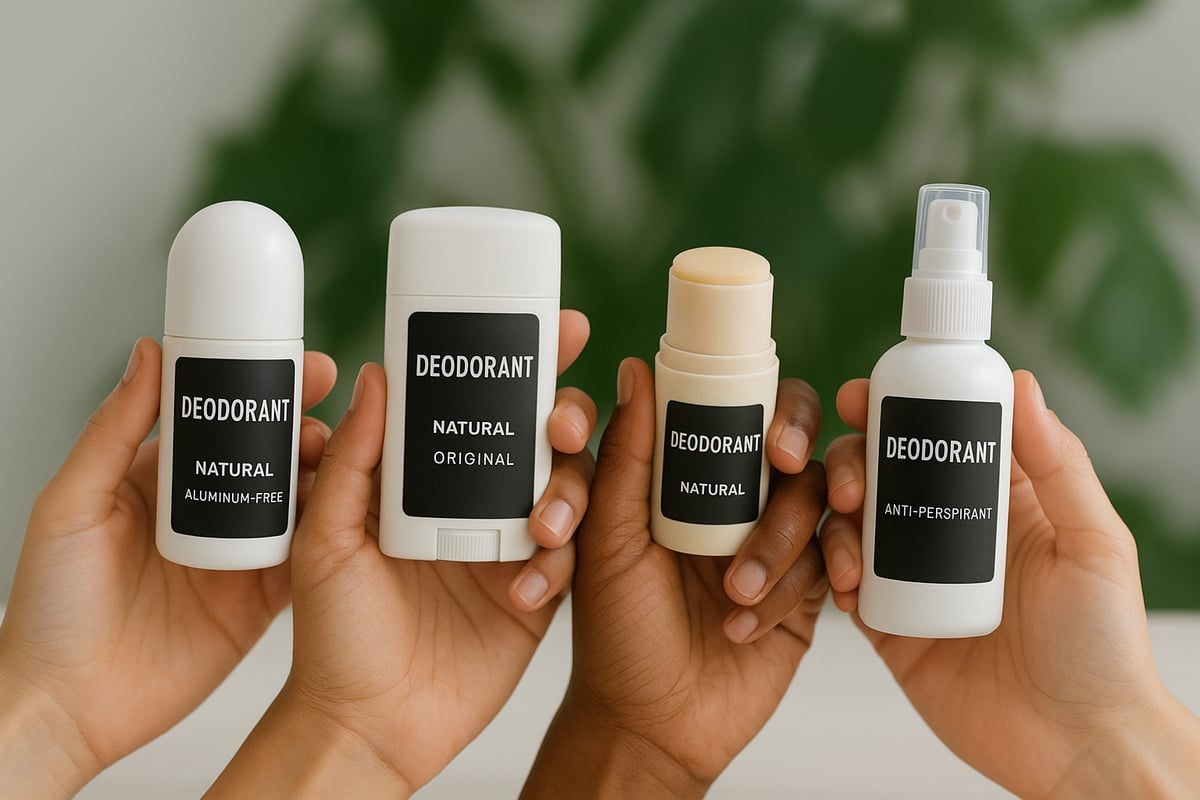
Faced with these controversies, many are turning to natural alternatives to traditional antiperspirant deodorant. Natural deodorants, formulated without aluminum salts, are appealing because of their simplicity and gentleness. They often contain sodium bicarbonate, essential oils, clay, or probiotics, each playing a role in neutralizing odors.
The effectiveness of these solutions depends on the user's profile: they are perfectly suited to moderate perspiration, but may prove insufficient in cases of heavy sweating. To ensure safety, choose products certified by Ecocert, Cosmos Organic, or PETA Vegan. These labels guarantee a transparent and skin-friendly composition.
Some tips for choosing the right natural antiperspirant deodorant:
- Always test the product on a small area.
- Opt for minimalist formulas.
- Monitor for the presence of allergens, even natural ones, such as certain essential oils.
In 2026, innovation continues to progress, with the arrival of probiotics and natural minerals to strengthen skin balance while preserving health.
basic. : the Swiss benchmark for natural and minimalist deodorant
For those seeking a safe alternative to antiperspirant deodorant, the Swiss brand basic. stands out as a leading choice. Specializing in natural and organic cosmetics, basic. offers minimalist deodorants that are aluminum-free, vegan, and certified organic. Their strength? Proven effectiveness, even in cases of heavy perspiration, and a gentleness suitable for even the most sensitive skin.
Local production in Lausanne, zero-plastic and refillable packaging, and transparency regarding its composition make basic. an ethical and reassuring choice. Users give it a satisfaction rating of 9.4/10, proving that natural can rhyme with performance and safety.
Choosing basic. means opting for a natural, effective, and environmentally friendly antiperspirant deodorant, without compromising on health. It's the ideal solution for those who want to combine well-being, ethics, and peace of mind every day.
Ecological and ethical issues: the environmental impact of choices
With growing environmental awareness, choosing between an antiperspirant deodorant and a deodorant is no longer simply a matter of effectiveness. Environmental and ethical impacts are now central to our concerns. Today, every action counts when it comes to preserving the planet and encouraging responsible consumption. How do our choices influence the environment and society? Let's explore together the main issues related to antiperspirant deodorants and deodorants.
Ecological footprint analysis
The environmental footprint of an antiperspirant deodorant depends on many factors. First, the raw materials play a key role. Natural ingredients, such as essential oils or clay, are often preferred for their low impact on biodiversity. Conversely, some synthetic compounds derived from petrochemicals can generate increased pollution.
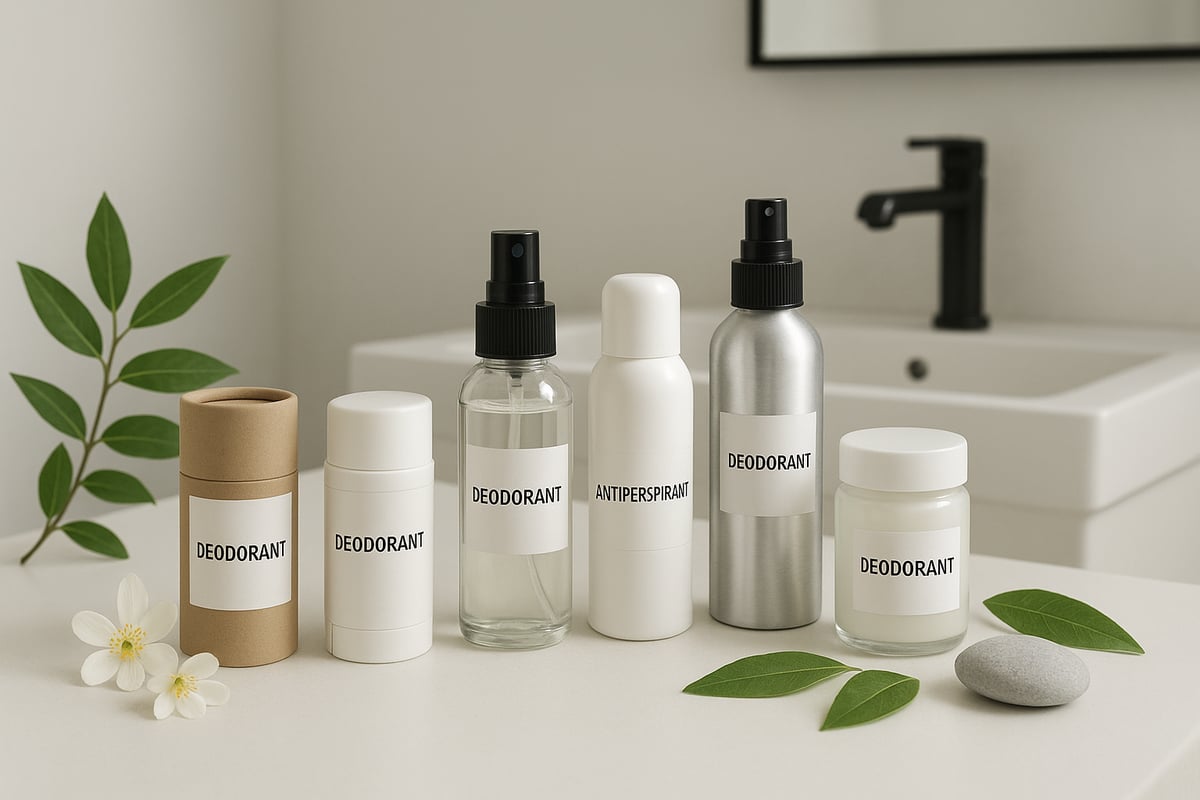
Packaging is also a major issue. Between plastic, glass, aluminum, and cardboard, each material has its advantages and disadvantages. Refillable solutions and solid formats are increasingly popular, reducing waste. According to market research, sales of solid and refillable deodorants increased by 25% between 2024 and 2026, demonstrating the growing interest in sustainable alternatives to antiperspirant deodorant.
The product's lifecycle is just as important. Local production, short transport routes, and easy recycling limit the carbon footprint. Some brands encourage bottle returns or offer compostable packaging. To guide consumers, eco-labels like Ecocert, Cosmos Organic, and PETA Vegan certify responsible practices.
To go further, it is useful to consult practical advice on adopting an eco-responsible beauty routine and thus reduce the impact of each antiperspirant deodorant used daily.
Ethics, transparency and social responsibility
Beyond environmental concerns, transparency and ethical practices have become essential for antiperspirant deodorant brands. Consumers seek clear and understandable ingredient lists, free of controversial or unnecessary substances. Certifications such as Slow Cosmétique or PETA Vegan guarantee respect for the environment, animal welfare, and workers.
Combating greenwashing is another challenge. Many brands claim environmental commitments, but not all of them live up to their promises. It is therefore crucial to verify the authenticity of labels and to favor concrete initiatives: local production, reusable packaging, and honest communication.
Furthermore, supporting local or socially responsible businesses helps foster a fairer and more responsible economy. Some antiperspirant deodorant manufacturers collect used containers or donate a portion of their profits to environmental causes. By choosing these products, we contribute to a transition towards ethical consumption that respects the planet and future generations.
The 2026 duel: user profiles and personalized recommendations
Finding the ideal product to combat perspiration or odor has never been more complex. In 2026, the battle between antiperspirant deodorant and deodorant hinges on personalization. Each individual has their own needs, expectations, and requirements, making the right choice essential.
Typical profiles and specific needs
Everyone experiences perspiration differently. For some, deodorant is enough to neutralize odors. For others, only a powerful antiperspirant deodorant keeps them dry all day. Here's a table to help you figure out where you stand:
| Profile | main needs | Recommendation |
|---|---|---|
| Normal perspiration | Odor control, comfort | Deodorant with natural ingredients or light antiperspirant deodorant |
| Hyperhidrosis | Marked reduction in sweat | Medical or ultra-effective deodorant antiperspirant |
| Sensitive skin | Tolerance, absence of irritants | Fragrance-free, alcohol-free, or hypoallergenic antiperspirant deodorant |
| Pregnant women/adolescents | Safe, without controversial substances | Natural deodorant, avoid certain antiperspirant deodorants |
| Athletes/professionals | Long-lasting, resistant to stress | 48-hour or 72-hour antiperspirant deodorant, reinforced formula |
| Eco-friendly | Environmental impact, ethics | Solid, refillable deodorant, or certified organic antiperspirant deodorant |
The diversity of needs shows that the choice between antiperspirant deodorant and deodorant should never be left to chance. Everyone deserves a solution tailored to their lifestyle and skin type.
Practical tips for making the right choice
How do you navigate the jungle of products? Here are our tips for selecting the right antiperspirant deodorant or deodorant for your needs:
- Always read the label : look for the ingredients, avoid those that are not suitable for your skin or your situation (e.g., aluminum salts for some).
- Test the tolerance : do a patch test on a small area before daily use, especially for a new antiperspirant deodorant.
- Adapt to your lifestyle : whether you are athletic, an active worker, or sedentary, each lifestyle requires a different level of protection.
- Combine if necessary : it is possible to use a deodorant daily and reserve an antiperspirant deodorant for intense days.
- Watch for innovations in 2026 : personalized formulas, probiotics and refillable packaging are revolutionizing the market.
- Seek advice from a professional : a dermatologist or pharmacist can guide you based on your skin history.
To learn more, check out this detailed guide to choosing between deodorant and antiperspirant based on your actual needs.
Concrete examples and feedback from experience
Nothing beats testimonials to help you decide between antiperspirant deodorant and regular deodorant. Take Julie, for example, an athlete who used a natural deodorant for a long time but finally switched to a 72-hour antiperspirant deodorant for her competitions. She's noticed fewer sweat stains and a greater feeling of freshness.
Teenagers, for their part, often prefer gentle, alcohol-free formulas to avoid irritation during puberty. As for people with sensitive skin, they report a significant improvement when choosing an antiperspirant deodorant without perfume or allergens.
For an objective comparison, here is a table of real-world experiences:
| User | Product tested | Benefits | Boundaries |
|---|---|---|---|
| Sporty | 72-hour antiperspirant deodorant | No stains, long-lasting | Film-like sensation on the skin |
| Sensitive teenager | Solid natural deodorant | No irritation, mild fragrance | Limited effectiveness under stress |
| Proactive | Antiperspirant deodorant spray | Workplace protection | The product sometimes has a strong odor. |
Still undecided? Check out this article on the differences between deodorant and antiperspirant to explore each option in more detail.
Ultimately, listening to your body and its needs will guide you to the ideal choice. Experiment, adapt, and don't hesitate to change your routine if your lifestyle evolves.
Major trends and innovations in 2026
The antiperspirant deodorant market is undergoing an exciting revolution in 2026. Brands are focusing on increasingly innovative formulas, tailored to our current expectations: effectiveness, naturalness, and ethical practices. Whether you're loyal to your routine or looking for something new, let's explore together what's shaping the next generation of products.
New ingredients and technologies
Technological advances are revolutionizing the formulation of antiperspirants, deodorants, and other deodorants. By 2026, three trends are emerging:
- Probiotics and enzymes : these smart active ingredients help preserve the skin microbiome, limiting the proliferation of odor-causing bacteria.
- Natural minerals : revisited alum stone, white clay and zinc stand out as gentle and effective alternatives for a skin-friendly antiperspirant deodorant.
- Personalized formulas : brands now offer online skin diagnostics to create a custom antiperspirant deodorant, adapted to each individual's pH and lifestyle.
Textures are also evolving. We're seeing the emergence of solid sticks, melting creams, and gas-free sprays, all designed to reduce their environmental footprint while ensuring performance and a pleasant user experience. Packaging is following the trend: biodegradable refills, glass containers, and compostable materials appeal to environmentally conscious consumers.
The integration of natural ingredients, such as essential oils, is also a major innovation, which we will explore in this article on essential oils in deodorants . These components provide freshness and antibacterial properties, while also meeting the demand for transparency and safety.
Market trends and consumer expectations
The year 2026 marks a turning point for antiperspirant deodorant. Consumers are increasingly favoring natural, aluminum-free, vegan, and ethically sourced products. This shift is driven by more accessible information, the growing influence of influencers, and a demand for complete transparency regarding ingredients.
Major brands are adapting their product lines to meet this demand, while independent labels are emerging with strong commitments: local production, zero-plastic packaging, and short, certified formulas. Solid and refillable antiperspirant deodorants are expected to see a 25% increase in sales between 2024 and 2026, demonstrating the growing enthusiasm for sustainable solutions.
Here is an overview of the most significant trends:
| Trends for 2026 | % growth |
|---|---|
| Solid and refillable deodorants | +25% |
| Request for vegan products | +18% |
| Customized formulas | +12% |
In the future, all indications are that the antiperspirant deodorant market will move towards greater personalization, even greater integration of natural ingredients, and complete transparency. We are on the cusp of an era where effectiveness, health, and responsibility go hand in hand, for the well-being of all.
After exploring together all the issues surrounding the antiperspirant deodorant vs. deodorant debate in 2026, you now understand how much your daily skincare choices can impact your health, well-being, and even the planet. We all deserve a simple, effective deodorant that's kind to both our skin and the environment. If you want to try a natural alternative that ticks all the boxes (aluminum-free, vegan, minimalist, and truly pleasant), why not take the plunge with us? Discover the Basic experience and try it now . You might just find your new favorite daily ritual.