


Swiss competitor Soeder Cosmetics: 2026 analysis
Discover who Soeder's competitors are in Switzerland and how they are positioned in the natural cosmetics market in 2026.

The Swiss natural cosmetics market has experienced remarkable growth in recent years. With consumers increasingly demanding quality and transparency in formulations, local brands are multiplying and innovating to meet these expectations. Among established players, Soeder has built a solid reputation thanks to its artisanal approach and environmental commitment. But who are the other brands that share this positioning? Exploring Soeder's Swiss competitors in cosmetics helps to better understand the dynamics of this booming sector.
Soeder's unique positioning in the Swiss market
Soeder has established itself as a benchmark in the world of natural Swiss cosmetics. This Zurich-based brand manufactures its products locally with a clear philosophy: simple, effective, and environmentally friendly formulas. Their commitment to sustainability is reflected in reusable packaging, responsibly sourced ingredients, and complete transparency on composition.
An artisanal and local approach
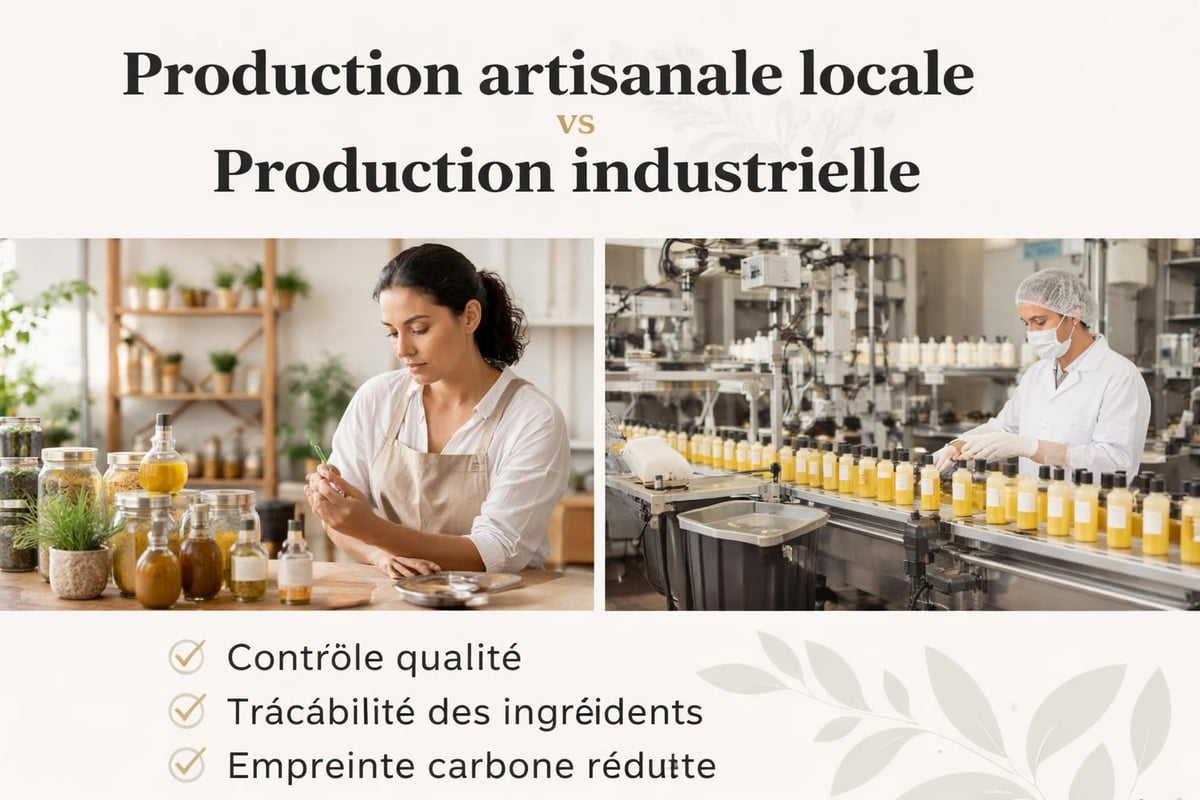
Artisanal production distinguishes Soeder in a sector often dominated by industrialization. Each product is made in small batches in Zurich, ensuring rigorous quality control. This proximity to production also helps reduce the carbon footprint associated with transport.
Swiss consumers particularly appreciate this local dimension. In a country where organic product consumption is among the highest in Europe, local expertise is a strong selling point.
Major Swiss competitors of Soeder cosmetics
Identifying Soeder's Swiss competitors in cosmetics requires examining brands that share similar values and target the same audience. Several Swiss companies position themselves in the natural cosmetics niche with their own specific characteristics.
Weleda: the historical pioneer
It's impossible to talk about natural cosmetics in Switzerland without mentioning Weleda, founded in 1921. This Basel-based company enjoys an international reputation and a century of experience in formulating natural products. Weleda focuses on anthroposophy and medicinal plants cultivated according to biodynamic principles.
Points of differentiation from Soeder:
- Much larger production scale
- Established international distribution
- Historical heritage and medical expertise
- Very extensive range (baby, skincare, wellness)
basic.: high-performance minimalism
basic. represents a resolutely contemporary approach to natural cosmetics. This Swiss brand focuses on the essentials with streamlined formulas containing few ingredients but in the right dose. Their natural deodorants and other skincare products embody this minimalist philosophy.
The fundamental difference lies in the radicality of minimalism. Where other brands might use twenty ingredients, basic. limits itself to the bare minimum. This approach particularly appeals to people with sensitive skin or those seeking absolute transparency.
| Criterion | Soeder | basic. | Weleda |
|---|---|---|---|
| Year of creation | 2013 | Recent | 1921 |
| Philosophy | Artisanal local | Radical minimalism | Anthroposophy |
| Production | Zurich | Switzerland | International |
| Range | Hygiene & home | Essential care | Very extensive |
Other emerging Swiss players
Soeder's Swiss competitors in cosmetics are not limited to established major brands. Several newer companies are emerging with innovative offerings:
Regional artisanal brands are proliferating in the French and German-speaking cantons, each with its specialty (soaps, balms, oils). These small structures rely on direct sales, local markets, and word-of-mouth.
Sustainable startups are developing innovative concepts around zero waste, refills, or compostable packaging. They attract a young and committed clientele, willing to pay a premium for environmental innovation.
Differentiation strategies in Swiss natural cosmetics
Faced with increased competition, each market player must refine its positioning. Soeder's Swiss competitors distinguish themselves through various strategic approaches that deserve analysis.
Transparency as a central argument
All these brands communicate about their ingredients, but with varying levels of detail. Some publish exact percentages, others explain the geographical origin of each component, while a few go as far as sharing their manufacturing processes in video.
This transparency meets a growing demand from consumers who want to understand exactly what they are applying to their skin. Innovation in the Swiss cosmetics industry now involves communication as much as the formulation itself.

Packaging as a vector of identity
The packaging approach is a crucial element of differentiation:
- Soeder favors reusable amber glass containers with a sleek design
- basic. opts for minimalist formats and recyclable materials
- Weleda maintains a classic design recognizable for decades
- Emerging brands are testing innovative solutions (bamboo, refillable aluminum, paper)
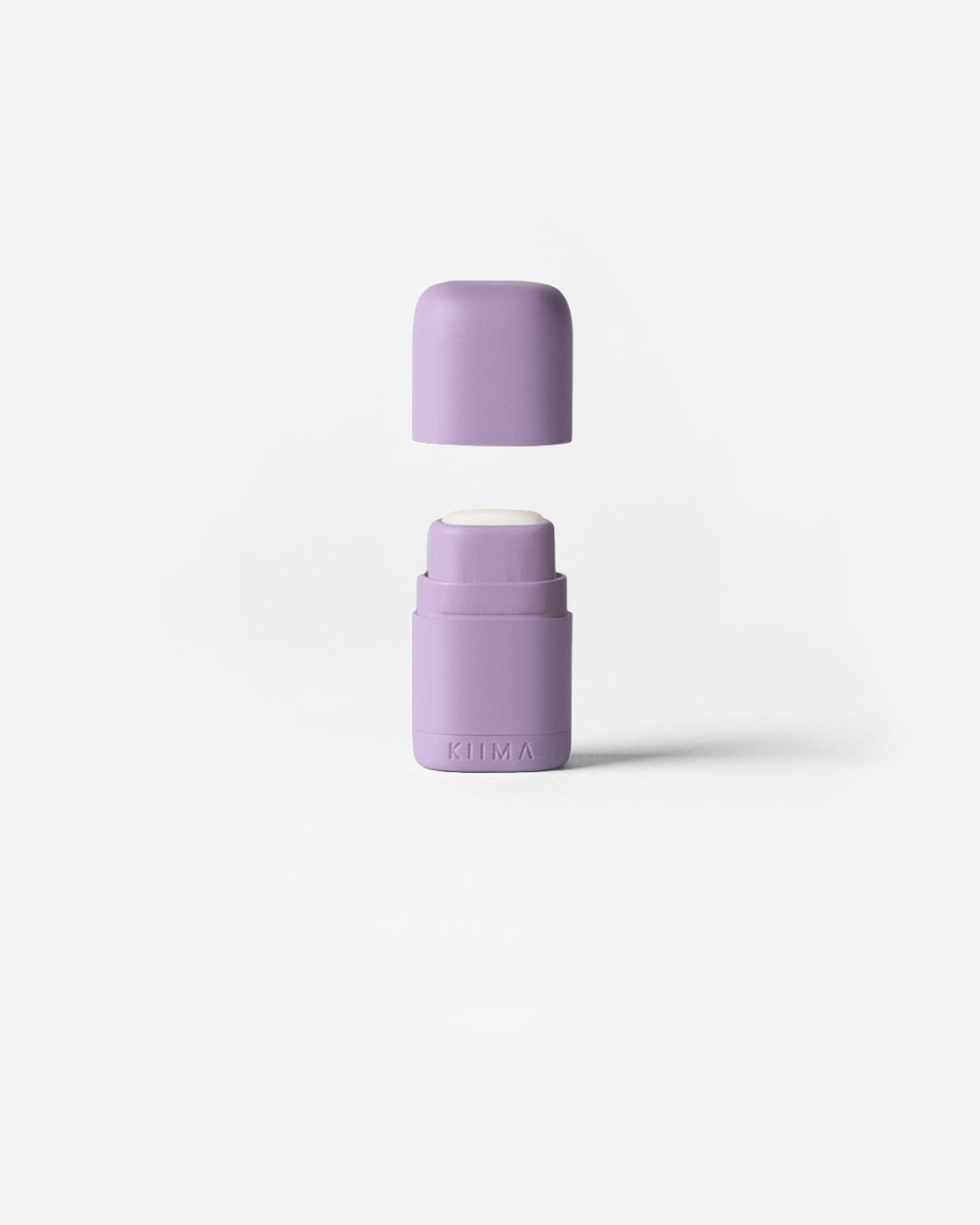
The example of the rechargeable lip balm - starter kit perfectly illustrates this trend. By offering a reusable applicator with refills, this approach eliminates repeated waste while providing a high-performance product that nourishes and protects lips daily.
Price and accessibility
Pricing varies significantly among different players:
- Premium segment (30-60 CHF for a facial treatment): artisanal brands, small series, rare ingredients
- Mid-range segment (15-30 CHF): Soeder, basic., established brands with moderate volumes
- Accessible segment (less than 15 CHF): large organic brands with optimized production
This segmentation allows each consumer to find options that match their budget while respecting their environmental values.
Distribution and sales channels
Soeder's Swiss competitors also distinguish themselves by their distribution choices. These strategic decisions directly influence brand perception and accessibility.
Direct sales versus expanded distribution
Direct sales model (website, own stores):
- Full control over customer experience
- Preserved margins
- Direct relationship with consumers
- Potential geographical limitation
Selective distribution (concept stores, specialized pharmacies):
- Increased visibility
- Credibility through association
- Margin sharing
- Consistency with premium positioning
Soeder has opted for selective distribution including carefully chosen points of sale that share their values. This strategy is found among other Swiss competitors of Soeder cosmetics who prioritize quality over the quantity of sales outlets.
The importance of digital
In 2026, an online presence is essential, even for artisanal brands. Natural beauty products find their audience through well-thought-out digital strategies:
- Educational content on natural ingredients
- Photographic transparency of manufacturing processes
- Engaged communities on social networks
- Loyalty programs and subscriptions
This digital dimension allows small brands to compete with established players by creating loyal and engaged communities.
Issues and challenges in the Swiss market
Soeder's Swiss competitors face common challenges that shape the evolution of the sector. Understanding these issues helps anticipate future market movements.
Certification and labels
The proliferation of organic and natural labels sometimes creates confusion among consumers. Key certifications in Switzerland include:
| Label | Requirements | Recognition |
|---|---|---|
| Bio Suisse | 90% Swiss organic ingredients | High in Switzerland |
| Cosmos Organic | 95% natural ingredients | International |
| Natrue | Varying levels | European |
| Vegan Society | No animal ingredients | Targeted |
Some brands choose not to certify to avoid costs and administrative constraints, preferring to communicate directly about their practices. However, this approach requires significant educational effort.
Ingredient sourcing
Finding quality natural ingredients, ideally local, is a major challenge. Switzerland does not cultivate all necessary components (shea butter, coconut oil, certain essential oils), which forces brands to import.
Soeder's Swiss competitors generally prioritize:
- European ingredients when possible
- Fair trade channels for exotic raw materials
- Direct partnerships with producers
- Documented traceability of the supply chain
International competition
While Swiss brands benefit from a positive image of quality and reliability, they also have to contend with competition from French, German, or Scandinavian brands. Companies like Sanoflore or those of the Groupe Rocher have considerable marketing resources.
The solution often involves cultivating local authenticity and proximity to consumers, assets that are difficult for large international groups to replicate.
Trends and evolution of the sector
The natural cosmetics market in Switzerland continues to evolve rapidly. Soeder's Swiss competitors are adapting to several major trends that are redefining the landscape in 2026.
Personalization and custom formulas
Some brands develop diagnostic tools to recommend products adapted to skin type, specific concerns, or even local climatic conditions. This personalization, facilitated by technology, creates a differentiated customer experience.
Circular economy and deposit systems
Beyond recycling, several players are exploring deposit systems. Customers return their empty containers to receive a discount on their next purchase. This approach drastically reduces waste while building customer loyalty.
Benefits of the circular economy:
- Significant reduction in packaging waste
- Natural loyalty through the return system
- Enhanced brand image among eco-responsible consumers
- Long-term savings on packaging materials
Local ingredients and short supply chains
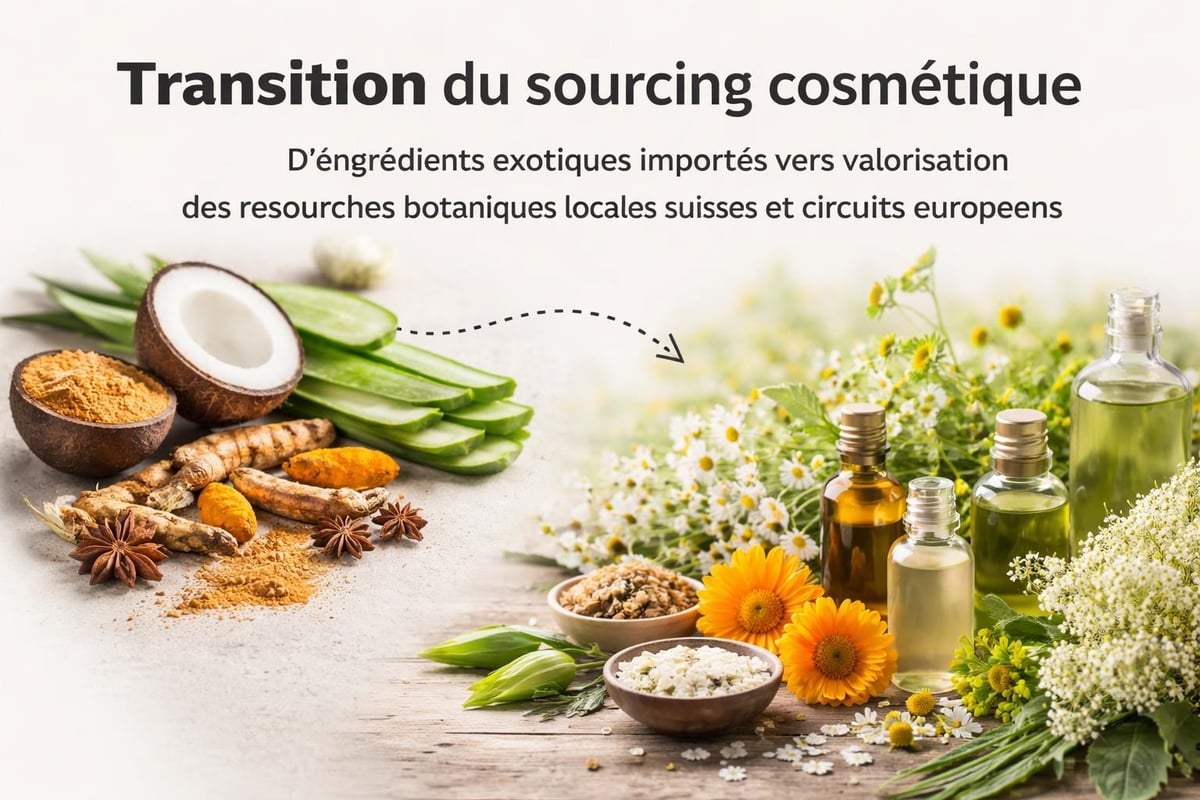
A strong trend is to value Swiss plants and ingredients: calendula, chamomile, honey, milk, alpine plants. This approach reduces the carbon footprint and enhances local botanical heritage.
Skincare collections predominantly featuring local ingredients are enjoying growing success with customers who value environmental consistency.
Marketing and communication strategies
Soeder's Swiss competitors deploy distinct marketing strategies that reflect their values and positioning. Authenticity becomes the keyword in 2026.
Storytelling and brand values
Each brand develops a unique narrative:
- Project origin: personal passion, solved skin problem, environmental commitment
- Creative process: ingredient research, testing, collaboration with experts
- Social impact: local jobs, fair partnerships, support for causes
This narrative creates a much stronger emotional connection than a simple sales pitch. Consumers buy a story and values as much as a product.
Collaborations and limited editions
Several brands partner with artists, designers, or other local businesses to create special editions. These collaborations generate interest, attract new audiences, and strengthen local roots.
Education and content
Rather than just extolling the merits of their products, brands invest in educational content:
- Blog articles on natural ingredients and their benefits
- Video tutorials to optimize product use
- Webinars with dermatology or aromatherapy experts
- Practical guides for a minimalist beauty routine
This approach positions the brand as an expert and advisor, creating a lasting relationship of trust. Specialized collections directly benefit from this educational strategy.
Future outlook for the Swiss market
Soeder's Swiss competitors will continue to evolve in a dynamic context. Several scenarios are emerging for the coming years, shaped by changing consumer expectations and industry innovations.
Consolidation or fragmentation?
Two opposing trends coexist. On the one hand, some players could be acquired by larger groups seeking to green their image. On the other hand, new hyper-specialized micro-brands continue to emerge, further fragmenting the market.
The strength of independent brands lies in their agility and their ability to stay true to their founding values. Swiss consumers value this authenticity and are often wary of acquisitions by multinationals.
Technological innovation for natural products
Paradoxically, natural cosmetics increasingly benefit from technological advancements:
- Gentle extraction better preserving active ingredients
- Fermentation increasing ingredient bioavailability
- Biotechnology producing natural active ingredients without environmental impact
- AI-powered skin analysis for personalized recommendations
These innovations improve effectiveness while maintaining natural commitment. Soeder's Swiss competitors who cleverly integrate these technologies will stand out significantly.
Regulations and future standards
The European Union and Switzerland are progressively strengthening their requirements for cosmetics. These regulatory developments could:
- Prohibit certain controversial ingredients
- Impose more transparency on ingredient origin
- Standardize "natural" and "organic" claims
- Strengthen controls on testing and safety
Brands already committed to a rigorous approach will see a competitive advantage, while less scrupulous players will have to adapt quickly.
The landscape of Soeder's Swiss cosmetic competitors reveals a dynamic market where innovation, authenticity, and environmental commitment combine to meet the expectations of a demanding clientele. Each brand brings its unique vision of natural cosmetics, creating a wealth of options for Swiss consumers. If you are looking for minimalist and effective products, formulated with essential ingredients and respectful of your skin and the environment, discover how basic. embodies this philosophy with its natural skincare products designed for effectiveness and sustainability.