


Complete Guide 2026: Deodorant and Antiperspirant
Deodorant and antiperspirant: How to choose the right one in 2026. Discover our complete guide to finding the ideal protection suited to your needs and your health.

Deodorant or antiperspirant: how to choose the best protection for your health and comfort in 2026? This often overlooked choice nevertheless impacts our daily well-being. Given the wide variety of products available, it's essential to understand the differences between deodorant and antiperspirant to adopt a healthy and effective hygiene routine.
In this comprehensive guide, we help you understand the mechanisms of action, selection criteria, forms and formats, ingredients to avoid, and natural alternatives. Together, let's discover practical tips to protect your health, respect the environment, and make informed choices. Ready to reinvent your routine? Follow the guide!
Understanding perspiration and body odor
Sweating is an integral part of our daily lives, yet it's often misunderstood. To choose the right deodorant and antiperspirant, it's essential to understand how this natural phenomenon works and what influences the formation of body odor. Let's demystify this process together so we can better manage it and choose the solution best suited to our needs.
The natural mechanism of perspiration
Sweating plays a vital role in our bodies: it regulates temperature and eliminates certain toxins. Did you know that an adult has between 2 and 4 million sweat glands? That's impressive! Yet, sweat is naturally odorless. It's the bacteria on the skin's surface that, by breaking down certain components of sweat, produce odors that are sometimes unpleasant.
The choice of a deodorant and antiperspirant also depends on the fabrics worn. Synthetic clothing, for example, promotes bacterial growth and therefore odor. Conversely, natural fibers limit this phenomenon. Stress, spicy or rich foods, and even hormones alter the composition of sweat and its odor.
Why control perspiration
Managing perspiration isn't just a matter of comfort; it also influences self-confidence. For many, using deodorant and antiperspirant is essential on a daily basis, particularly to prevent maceration and skin irritation. People suffering from hyperhidrosis, or excessive sweating, seek specific solutions.
Athletes naturally experience increased perspiration during exercise, requiring the use of appropriate products. The intensity also varies between men and women, primarily due to the number of sweat glands. Respecting this natural process is essential, as perspiration plays a protective role for our bodies.
Myths about sweating and health
Many misconceptions circulate about perspiration. For example, the idea that "the more you sweat, the more toxins you eliminate" is a myth. In reality, the majority of waste products are filtered by the kidneys and liver. Using deodorant and antiperspirant should not completely block perspiration, as this can lead to overheating during physical exertion.
Sweating is not a sign of poor hygiene. Night sweats or excessive perspiration can indicate an imbalance but is often perfectly normal. Body odor can have a significant psychological impact, but there are solutions tailored to each individual. To better understand how these products work, discover the differences between deodorant and antiperspirant .
Consumer expectations in 2026
By 2026, expectations have changed. We're looking for products that are effective for 24, 48, or even 72 hours, without compromising on health or the environment. Choosing a natural, organic, or non-controversial deodorant and antiperspirant has become a priority for many. Labels, certifications, and transparency regarding ingredients are increasingly scrutinized.
Social media and online communities influence our decisions by sharing opinions and routines. Evolving purchasing habits show a preference for healthy, ethical, and environmentally friendly products. This growing awareness is changing how we approach our hygiene routines.
Deodorant vs. Antiperspirant: Definitions, Differences, and Modes of Action
Understanding the difference between deodorant and antiperspirant is essential for making the right choice for your daily life. These two types of products address distinct needs, and your choice directly impacts your comfort and well-being. Let's explore together what sets them apart and how to choose the healthiest option.
What is a deodorant?
Deodorant and antiperspirant are often confused, but their functions differ. A deodorant primarily aims to neutralize or mask body odor. It works by limiting the proliferation of odor-causing bacteria, thanks to active ingredients such as baking soda, essential oils, or alcohol.
It doesn't block natural perspiration and contains no aluminum salts. This solution is ideal for people with normal perspiration who are looking for gentleness and respect for their skin. Current formulas often favor naturally derived ingredients for a healthy and effective routine.
What is an antiperspirant?
Antiperspirant, on the other hand, falls into the category of deodorant and antiperspirant but is distinguished by its action. It works by temporarily reducing sweat production, thanks to aluminum salts that form a barrier over the sweat glands.
This mechanism helps reduce underarm moisture, thus limiting odor formation. Antiperspirants are recommended for people who suffer from excessive sweating or in specific situations such as sports or important events. However, their use should be moderate to preserve the skin's natural balance.
Alum stone: a natural alternative or a source of aluminum?
Alum stone occupies a unique place in the world of deodorants and antiperspirants. It is found in two forms: natural (potassium alum) or synthetic (ammonium alum), both containing aluminum salts.
Its reputation stems from its astringent effect, which tightens pores without completely blocking perspiration. Marketed as a deodorant, it appeals with its simplicity, but it's not without precautions, especially for sensitive skin. Its effectiveness varies from person to person, and it's important to choose its source carefully to avoid synthetic derivatives.
Advantages and disadvantages of each solution
When choosing between deodorant and antiperspirant, it's helpful to compare their strengths and weaknesses. Here's a summary table:
| Solution | Benefits | Disadvantages |
|---|---|---|
| Deodorant | Respects perspiration, gentle | Less effective in cases of heavy sweating |
| Antiperspirant | Effective against humidity | Risks of irritation, debate on aluminum |
| alum stone | Natural, compromise | Contains aluminum, variable effectiveness |
To learn more about ingredients to watch out for, see Deodorants and antiperspirants: products to avoid , which details controversial substances and health precautions.
basic. : the Swiss alternative to conventional deodorants
The brand basic. embodies a new generation of natural and responsible deodorants and antiperspirants. Based in Lausanne, it offers minimalist deodorants without aluminum salts, certified organic and vegan, perfectly suited to sensitive skin.

The formulas are short, effective, and transparent, with carefully selected ingredients. The commitment to the environment is reflected in the recyclable packaging and local production. Basic. products are praised for their long-lasting effectiveness and respect for health. They offer an ideal solution for anyone who wants to combine hygiene, well-being, and ethical practices in their daily life.
Selection criteria: how to choose the right product for your needs
Choosing the right deodorant and antiperspirant can seem complex, but with the right criteria, it becomes easy to find the solution that suits your daily needs. Together, we'll explore the key steps to making an informed choice that respects your health, comfort, and the environment.
Understanding one's personal needs
Before choosing a deodorant and antiperspirant, it's essential to know yourself well. Ask yourself: do you sweat a little, moderately, or excessively? Men generally have more sweat glands, which influences the choice of product.
Also consider your lifestyle. Are you athletic, stressed, or does your perspiration vary with the seasons? Children, teenagers, and pregnant women sometimes need gentler formulas. Anyone with sensitive skin or allergies should opt for solutions without alcohol or synthetic fragrances.
Finally, be aware that approximately 1 in 10 adults suffers from hyperhidrosis. It is therefore important to tailor your choice of deodorant and antiperspirant to your unique needs.
Read and understand the labels
Decoding a deodorant and antiperspirant product requires careful reading of the labels. Check the INCI list to identify the main ingredients, allergens, or the presence of aluminum salts.
Opt for reliable labels such as organic, vegan, or Slow Cosmetics, which guarantee quality and respect for the skin. Beware of misleading marketing claims, such as “72-hour protection” or “aluminum-free” when an alum stone is present.
Manufacturer transparency is essential. Don't hesitate to check the full ingredient list and compare several products to choose a healthy and suitable deodorant and antiperspirant.
Consider the shape and format
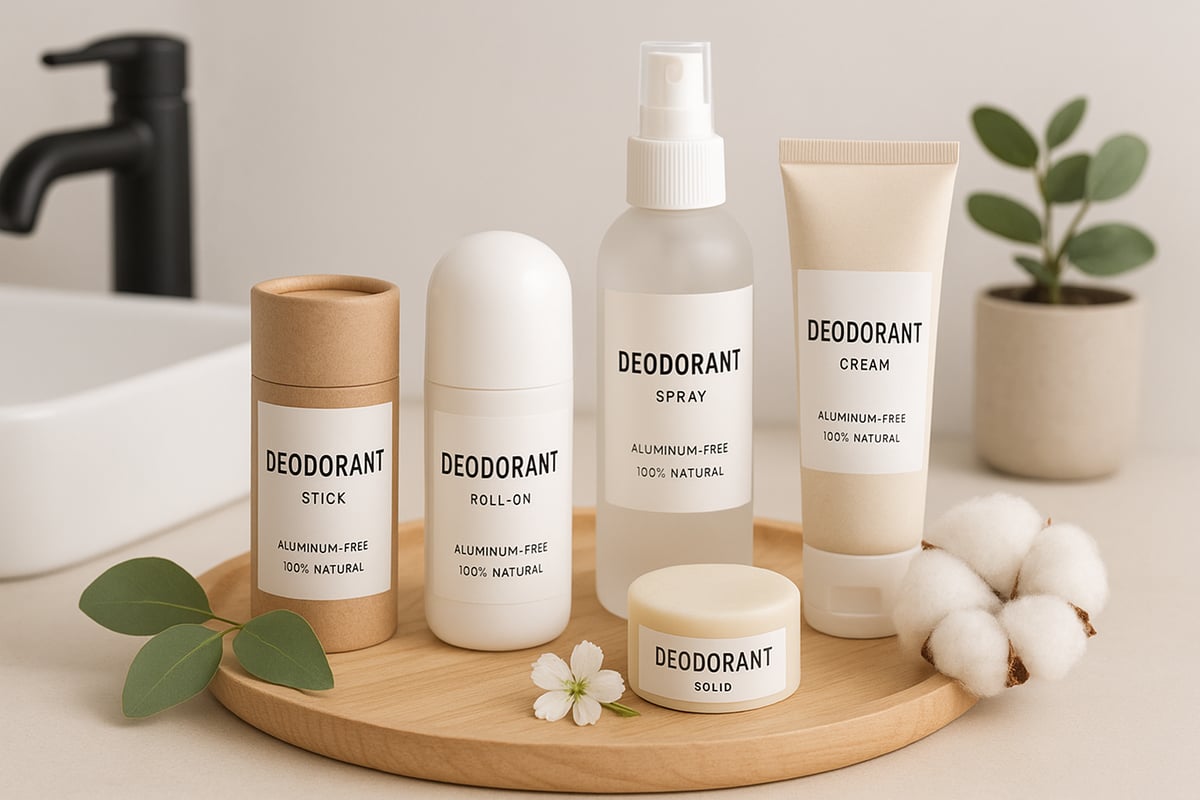
The choice of format influences the effectiveness and comfort of your deodorant and antiperspirant. Spray, roll-on, stick, cream, or solid—each option has its advantages.
- The spray offers quick application, but be careful of inhalation.
- The roll-on and stick provide better adhesion and are often suitable for sensitive skin.
- Solid or cream formats are ideal for those who want to limit waste.
Choose a format that suits your lifestyle: a mini size for travel, a stick for sports, or a cream for home. Consider the duration of use and the cost, as a compact deodorant and antiperspirant can last longer than you think.
Environmental sensitivity and ethics
More and more consumers are taking environmental impact into account when choosing their deodorant and antiperspirant. Opt for recyclable or refillable packaging, glass rather than plastic, and locally made products.
Opt for vegan, cruelty-free, and certified formulas. Committed brands, such as basic., NAE, or Respire, often highlight their environmental initiatives. Studies show that 67% of French people now prefer a natural deodorant and antiperspirant.
Ethical criteria are becoming essential in the decision-making process. Check the brand's commitments and choose a product that reflects your values.
Test and adapt according to the results
Even with the best deodorant and antiperspirant, an adjustment period may be necessary. Test first on a small area to avoid any reactions. Adjust the frequency of application according to your activities.
Don't hesitate to alternate between several formulas to avoid bacterial resistance. If irritation occurs, change products or consult a professional. Needs change over time, with stress or the seasons.
To explore all the options and find the one that suits you, discover the Collection of natural deodorants which offers alternatives adapted to each profile and lifestyle.
Shapes and formats: advantages, disadvantages and innovations
Choosing the right deodorant and antiperspirant format can transform your daily routine. By 2026, the diverse range of options available caters to all needs and lifestyles. Each format has its advantages and limitations, impacting your comfort, your health, and the environment.
Spray, roll-on, stick, cream, solid: an overview of the options
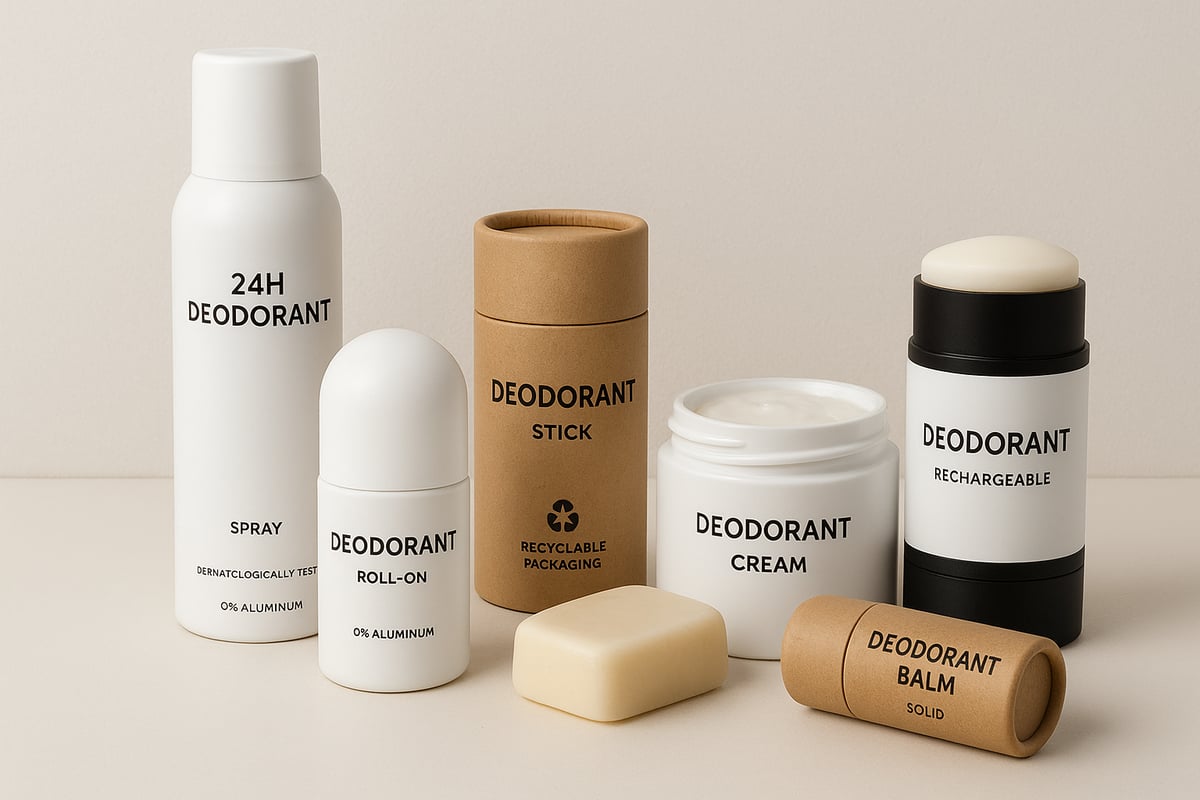
The deodorant and antiperspirant market now offers a wide range of formats. Sprays offer quick application and an immediate feeling of freshness. However, they present a risk of inhalation and flammability.
The roll-on applicator is appealing due to its precision and rapid absorption. The compact stick applicator ensures a secure hold and is often suitable for sensitive skin. Creams and balms, applied with the fingers, are ideal for reactive skin and allow for a gentle massage.
The solid format, increasingly popular, aligns with a zero-waste and economical approach. Many consumers appreciate its long shelf life and reduced packaging.
Here is a comparison table for better visualization:
| Format | Benefits | Disadvantages |
|---|---|---|
| Spray | Freshness, speed | Inhalation, environmental impact |
| Roll-on/ball | Precision, rapid absorption | Risk of bacterial contact |
| Stick | Compact, alcohol-free | May leave traces |
| Cream/balm | Softness, hydration | Manual application |
| Solid | Zero waste, economical | Less intuitive app |
Impact on health and the environment
Choosing a deodorant and antiperspirant isn't just about comfort. Sprays, for example, emit volatile organic compounds (VOCs) and use propellant gases, which are harmful to the environment and potentially irritating to the respiratory tract.
Roll-on and stick formats, often alcohol-free, reduce the risk of irritation and environmental impact, especially if they come in recyclable packaging. Creams and solids favor gentle ingredients, limiting the risk of allergies.
For children, it is recommended to avoid sprays due to the risk of inhalation. Paying attention to the ingredients and packaging is becoming an essential criterion for many users of deodorant and antiperspirant.
Some brands are now incorporating eco-design into their products, favoring glass, cardboard, or recycled materials. This trend reflects the general desire to reduce the environmental footprint of our daily hygiene.
Innovations 2026: Towards more responsible solutions
Innovation in the deodorant and antiperspirant sector is accelerating, driven by demand for formats that are better for health and the environment. Compressed sprays offer the same effectiveness with less propellant, while mini-formats are appealing due to their convenience, although they require careful attention to the amount of product used.
The leading trend remains solid deodorant, paired with reusable applicators. The Kiima Refillable Deodorant Applicator perfectly illustrates this advancement: it allows you to refill your solid deodorant, reducing waste and optimizing usage. Packaging is evolving, shifting from plastic to glass or cardboard, and more and more consumers are reporting increased satisfaction with these innovative solutions.
Feedback indicates that these new formats are appreciated for their effectiveness, practicality, and positive environmental impact. They fit into a modern and responsible hygiene routine.
Tips for choosing the right format for everyday use
To choose the right deodorant and antiperspirant, it's important to adapt the format to your lifestyle. Travelers will prefer solid or stick products for their compactness, while athletes will appreciate the freshness of a spray or the softness of a cream.
It's advisable to try several formats to determine which one best suits your skin and your lifestyle. Refillable and solid formats are preferable to reduce waste, especially for those with an eco-friendly approach.
Also consider the climate: in summer, a cream or stick format will prevent that feeling of dampness. Finally, remember that a good deodorant and antiperspirant should combine effectiveness, respect for the skin, and a limited environmental impact.
Ingredients and components to avoid: health and regulatory focus
In the world of deodorants and antiperspirants, vigilance is essential when it comes to product ingredients. Many of us seek to balance effectiveness, safety, and skin-friendliness. However, some ingredients raise health and regulatory concerns. Let's explore together the substances to watch out for, how to read labels, and which alternatives to choose for a healthy and worry-free routine.
Aluminum salts: controversy and recommendations
Aluminum salts are frequently used in deodorant and antiperspirant formulas to limit sweat production. However, their presence is the subject of much controversy. Studies have investigated a possible link with certain cancers or hormonal imbalances, although no formal evidence has yet established a direct risk.
In 2026, regulations will change and impose restrictions, particularly on products intended for sensitive skin or pregnant women. Alum stone, often presented as a natural alternative, also contains aluminum salts. It is therefore essential to carefully read the information on the label.
To better understand the issues and official recommendations, you can consult the authorities' opinions in this article: The Ministry of Health warns against certain deodorants and antiperspirants . Opt for aluminum-free alternatives if you wish to limit the risks.
Other controversial ingredients
Beyond aluminum, other ingredients are raising concerns in the world of deodorants and antiperspirants. Alcohol, often used for its antibacterial properties, can cause irritation in sensitive skin. Triclosan, suspected of being an endocrine disruptor, is subject to increasing restrictions.
Synthetic fragrances and parabens are also criticized for their allergenic potential or their role as chemical preservatives. Even bicarbonate, a popular ingredient in natural formulas, can irritate some sensitive skin. Before buying a deodorant or antiperspirant, always check the ingredient list and pay attention to any unusual skin reactions.
How to read a label and identify risky components
To choose a healthy deodorant and antiperspirant, carefully reading the label is essential. Look for the INCI list, which displays all the product's ingredients. Substances to avoid are often listed in Latin or English, such as "aluminum chlorohydrate" or "parfum".
Opt for products certified by labels such as Ecocert, PETA, or Slow Cosmétique, which guarantee the absence of controversial substances. If you have atopic or reactive skin, check for the presence of essential oils, which can sometimes cause allergies. Natural and hypoallergenic ingredients, such as cornstarch or clay, are preferable for a gentler deodorant and antiperspirant routine.
Healthy and natural alternatives: what the experts say
Fortunately, there are alternatives to conventional deodorant and antiperspirant. Natural alum stone, baking soda, or clay replace aluminum salts and reduce irritation. Natural deodorants respect the skin's microbiome and are suitable for the vast majority of users.
An adjustment period is sometimes necessary when changing formulas. For DIY enthusiasts, a few simple homemade recipes can prove effective, provided you test them on a small area first. Experts recommend choosing a deodorant and antiperspirant suited to your skin type and consulting a professional if you have any doubts or experience an allergic reaction.
Natural alternatives and DIY: recipes, tips and limitations
Choosing a natural alternative for your deodorant and antiperspirant is a conscious choice for your health and the planet. More and more consumers want to respect their body's natural functions while limiting their exposure to controversial substances. The 2026 trend shows a real desire to find effective, eco-friendly, and gentle solutions. According to a recent analysis by National Geographic, numerous studies confirm the benefits of this approach for those seeking healthier products. Is it really better to use a natural deodorant?
Why choose a natural alternative?
Choosing a natural deodorant and antiperspirant is first and foremost about respecting the natural perspiration process. This option limits the risk of irritation and allergies, especially for sensitive skin. Natural alternatives are also appealing because of their low environmental impact, thanks to packaging that is often recyclable and biodegradable ingredients.
For those who sweat normally or moderately, these solutions are ideal for everyday use. Healthcare professionals recommend avoiding harsh ingredients, except in cases of excessive sweating requiring specific treatment. User feedback is very positive, and demand continues to grow. Does this resonate with you? You're not alone; the community is growing every year.
The key ingredients of natural deodorants
Natural deodorant and antiperspirant recipes rely on simple and effective ingredients. Baking soda neutralizes odors, but it can irritate sensitive skin. Essential oils, such as lavender or palmarosa, offer antibacterial and fragrant properties. Cornstarch and clay absorb moisture, while coconut oil hydrates and protects the skin.
Beeswax stabilizes solid balms. Controversial substances are avoided here, leaving only the essentials. Need a concrete example? Le Classik Natural Balm Deodorant perfectly illustrates this minimalist approach, free of aluminum salts and suitable for all skin types.
Practical guide: making your own homemade deodorant in 5 steps
Want to try DIY? Making your own deodorant and antiperspirant is easy. Here's a simple recipe to try at home:
- Melt 10g of beeswax with 30g of coconut oil in a double boiler.
- Add 10g of baking soda and 20g of cornstarch, mix well.
- Incorporate 10 drops of essential oil suitable for your skin.
- Pour into a clean jar and allow to harden at room temperature.
- Test on a small area to check tolerance before wider use.
Store your preparation away from heat. Apply a small amount to dry skin, and adjust as needed.
Limitations and precautions of natural alternatives
While natural deodorant and antiperspirant meet many needs, they aren't perfect for everyone. Effectiveness can vary depending on perspiration levels and lifestyle. An adjustment period of a few days to a few weeks is sometimes necessary for the body to adapt.
Some natural ingredients, such as baking soda or essential oils, can irritate sensitive skin. It is therefore advisable to apply the product to a small area first. In cases of hyperhidrosis or specific needs, medical advice may be helpful. Maintaining good hygiene and choosing breathable clothing will enhance the effectiveness of your natural deodorant and antiperspirant.
Usage tips and FAQs 2026: maximizing efficiency and comfort
In our daily lives, using deodorant and antiperspirant correctly is essential for combining effectiveness, comfort, and skin health. The right techniques and a few tips can optimize protection while safeguarding your health and the environment. Let's explore the best practices for getting the most out of your deodorant and antiperspirant, whether for routine use, when switching products, or during physical activity.
Good application practices
To fully benefit from your deodorant and antiperspirant, apply it to clean, dry skin, ideally after showering. Avoid using the product on irritated skin or immediately after shaving to prevent stinging or irritation.
Adjust the amount according to the format: a spray requires several sprays from a distance, while a stick or cream is applied in a thin layer. Let it dry before getting dressed; this minimizes marks on clothes.
If you have sensitive skin, opt for gentle, natural solutions, such as a refill of natural solid deodorant for sensitive skin , which provides comfort and long-lasting effectiveness. Don't hesitate to reapply as needed, especially during periods of intense heat or strenuous activity.
What should you do if your deodorant loses its effectiveness?
Sometimes a deodorant or antiperspirant may seem less effective. Several factors can explain this: bacterial adaptation, hormonal changes, a different diet, or even the changing seasons.
To achieve optimal effectiveness, alternate between several formulas, or choose a product with a different active ingredient. Don't hesitate to try natural or more effective alternatives depending on your current needs.
If the loss of effectiveness persists, check that your hygiene routine is appropriate and that your clothes are clean. Regularly changing your deodorant and antiperspirant can also help prevent dependency.
Deodorant and sports: what you need to know
Before a workout, it's generally recommended to choose a light deodorant and antiperspirant to respect the body's natural temperature regulation. Strong antiperspirants can hinder heat dissipation, especially during intense exercise.
After your activity, take a shower to remove sweat and reapply your deodorant and antiperspirant. Opt for technical and breathable clothing to minimize moisture buildup and maximize comfort.
Adapt your routine according to your activity level: some athletes choose to alternate between several products depending on the intensity of perspiration, to stay fresh all day.
Frequently Asked Questions in 2026
Many consumers question the effectiveness of deodorants and antiperspirants: does the advertised protection (24h, 48h, 72h) really live up to its promises? In the laboratory, these durations are often respected, but in real life, they vary depending on activity and metabolism.
Can you use a natural deodorant during pregnancy? Yes, provided you choose a gentle formula without controversial essential oils. If irritation persists, consult a professional.
Other questions concern packaging recycling or adapting products according to age and gender. Natural alternatives are suitable for most people, but are not always sufficient in cases of excessive sweating. Pay attention to your needs and don't hesitate to seek advice from a specialist.
Together, we explored the differences between deodorant and antiperspirant, the ingredients to prioritize for your health, and solutions that are truly kind to both your skin and the planet. You now understand how important it is to choose a product that suits your daily routine and your values. If you're ready to take action and discover the simplicity of a natural, effective, and gentle skincare product, why not try a minimalist, organic deodorant? Our friends at basic. offer a short, aluminum-free, vegan formula that's been tested by discerning users. Ready to make the switch ? Try it now !