
Retinol cream has become the secret weapon of those who dream of perfect skin by 2026. Yet, despite its success, many do not reap all the benefits due to improper use or unsuitable advice.
Are you wondering how to fully benefit from this innovation without risking redness or disappointment? This guide provides you with the essential step-by-step instructions to transform your beauty routine.
Over the next few chapters, discover everything you need to know about retinol cream: its origins, its benefits, practical tips, pitfalls to avoid, and answers to frequently asked questions. Ready to reveal your skin's best side? Follow us and take the first step toward a radiant new routine.
What is retinol? Origin, function, and evolution in 2026
Retinol is on everyone's lips, but what do we really know about this revolutionary molecule? By 2026, it has become one of the key ingredients in modern cosmetics. Let's explore its origins, how it works, recent innovations, and the scientific evidence that makes retinol cream a must-have.
Definition and origins of retinol
Retinol is a precious derivative of vitamin A, long used in medicine before revolutionizing anti-aging cosmetics. This molecule, now at the heart of retinol cream, is distinguished by its ability to gently transform the skin. Unlike retinal or retinoic acid, retinol offers an ideal balance between efficacy and tolerance, making it the preferred choice for modern beauty routines. Its rich and fascinating history shows how it has adapted to the needs of all generations.
Mode of action on the skin
But how exactly does retinol cream work? When applied, it stimulates cell renewal, helping the skin regenerate faster. This action also boosts the production of collagen and elastin, two key elements for maintaining firm, supple skin. Another benefit is that retinol regulates sebum production, making the skin less prone to shine and imperfections. Thanks to these mechanisms, retinol cream acts as a true orchestrator of skin renewal.
Innovations and trends 2026
By 2026, retinol creams benefited from numerous advancements. Encapsulated formulations allowed for the gradual release of retinol, thus limiting irritation and making the active ingredient accessible even to sensitive skin. Beauty routines became more minimalist and natural, incorporating retinol into streamlined and effective skincare. A striking statistic: since 2024, more than 35% of new retinol creams have used encapsulation technologies, demonstrating the growing enthusiasm for solutions that are both high-performing and gentle.
Indications and proven results
Why is retinol cream so popular? It targets wrinkles, dark spots, and even acne, with visible results in as little as 8 weeks, according to clinical studies. Before-and-after photos show smoother, more even-toned, and radiant skin. To further validate these results, this clinical study by Kenvue reveals the efficacy and tolerability of stabilized retinol at 0.1%, confirming its use in anti-aging skincare. Thus, retinol cream establishes itself as a modern, safe, and proven solution for all skin types.
The benefits of retinol cream: Why adopt it?
Retinol cream has become a must-have for those looking to transform their skin. But why is this active ingredient generating so much buzz in 2026? Let's explore its key benefits, validated by science and the experience of thousands of users.
Anti-aging and wrinkle prevention
Retinol cream is known for its ability to slow down skin aging. By stimulating collagen production, it visibly reduces deep wrinkles and fine lines. According to a 2025 study, 72% of users noticed smoother, plumper skin after just a few weeks of regular use.
To go further in preventing the signs of aging and to fully understand how to integrate this active ingredient into your routine, feel free to consult this Retinol Guide for Beginners .
Action on the radiance and evenness of the complexion
One of the major advantages of retinol cream is its effect on skin tone. It helps to reduce dark spots and even out skin tone. Clinical results show a visible reduction in hyperpigmentation, resulting in a brighter and more even complexion.
People with dull skin or uneven pigmentation often see a noticeable improvement within 8 weeks. This gradual transformation restores confidence and radiance.
Acne and blemish treatment
Retinol cream isn't just for mature skin. It's also a valuable ally against acne and blemishes. By regulating sebum production and accelerating cell renewal, it reduces pimples and blackheads.
According to recent data, 60% of users see an improvement in their mild to moderate acne within three months. A major advantage for those who want clearer, healthier skin.
Improved skin texture and firmness
Using retinol cream also gives your skin a smoother texture and a refined grain. The firming effect is particularly appreciated, as it restores tone to the face.
Numerous testimonials from users and dermatologists confirm this improvement: the skin appears denser, softer, and more supple. It's a real boost, something sought after at any age to preserve a youthful appearance.
Advantages compared to other anti-aging ingredients
How does retinol cream compare to other star anti-aging ingredients? Here's a summary table:
| Active | Anti-aging effect | Targets deep wrinkles | Evenness of complexion | Tolerance |
|---|---|---|---|---|
| Retinol cream | +++ | +++ | ++ | ++ |
| Glycolic acid | ++ | + | +++ | + |
| Vitamin C | ++ | + | +++ | ++ |
| Peptides | + | + | + | +++ |
Retinol cream stands out for its versatility and potency. It easily integrates into a suitable routine, working in synergy with other active ingredients for customized results.
Instructions: How to incorporate retinol cream into your routine (step by step)
Incorporating retinol cream into your beauty routine can transform the appearance and health of your skin, but you need to follow a few key steps to reap all the benefits. Taking the time to fully understand each phase ensures a positive, gradual experience tailored to your needs. Let's look together, step by step, at how to get started and succeed with retinol cream.
Step 1: Choose the right concentration and formula
First and foremost, it's essential to choose a retinol cream suited to your experience level and skin sensitivity. For beginners, opt for a retinol concentration between 0.1% and 0.3%. This allows for a gentle introduction and minimizes the risk of irritation.
If you have already used retinol without discomfort, you can consider higher percentages, up to 1%, but always increase them gradually. Sensitive skin types will benefit from encapsulated formulas or those containing retinaldehyde, which are known to be gentler.
| Skin type | Recommended concentration | Ideal formulation |
|---|---|---|
| Beginner | 0.1% to 0.3% | Encapsulated Retinol |
| Experienced | 0.5% to 1% | Classical retinol or retinal |
| Sensitive skin | 0.1% | Retinaldehyde, encapsulated |
Choosing the right retinol cream from the start gives you the best chance of achieving radiant skin.
Step 2: Prepare your skin before application
Careful preparation is key to maximizing the effects of your retinol cream while avoiding any discomfort. Start by cleansing your face with a gentle, non-irritating cleanser. Your skin must be perfectly clean and, most importantly, completely dry before applying any product.
It is strongly advised to avoid mechanical or chemical scrubs (AHA/BHA) just before applying retinol cream. This reduces the risk of irritation and sensitization. Proper cleansing prepares the skin to receive the active treatment and promotes optimal tolerance.
Remember, soothed and well-prepared skin is the ideal ground to fully enjoy the benefits of retinol cream.
Step 3: Retinol application (method and frequency)
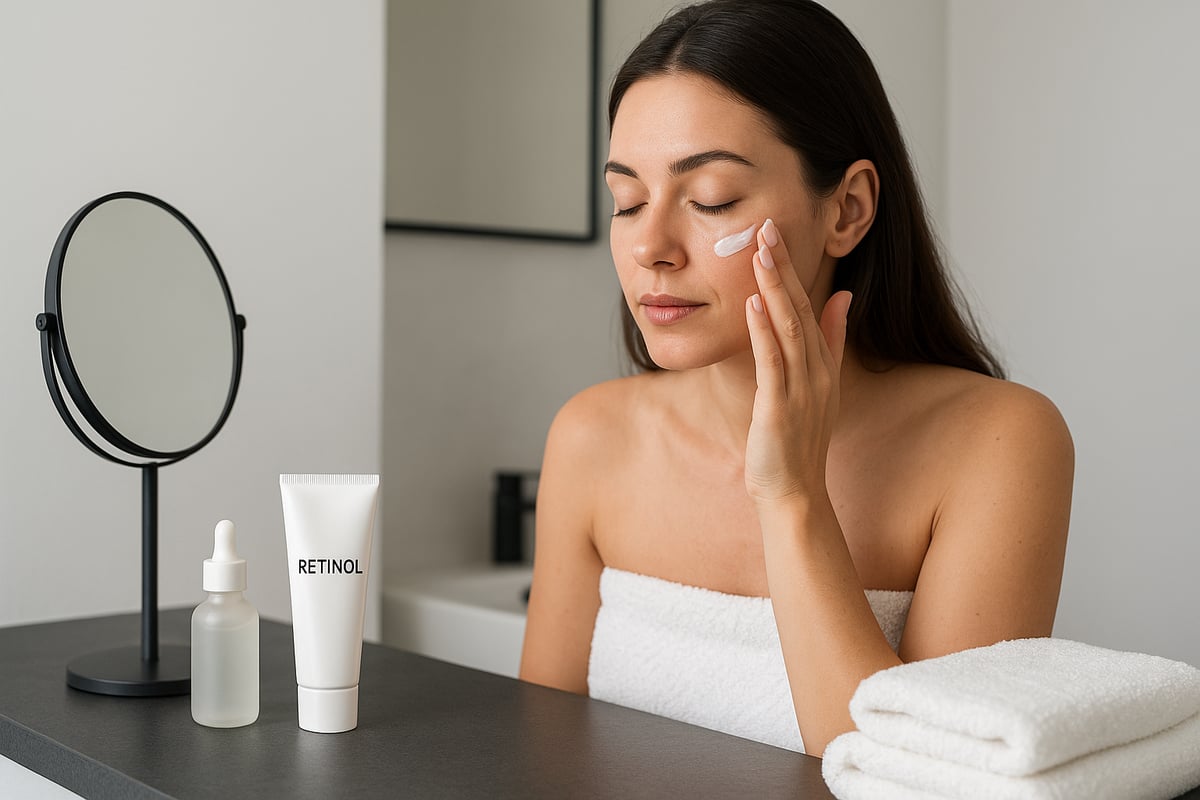
Retinol cream should always be applied in the evening, to dry skin, for reasons of stability and tolerance. Use a small amount, about the size of a pea, for your entire face. There's no need to use more; effectiveness does not depend on the quantity applied.
Start with two applications per week, then gradually increase the frequency if your skin tolerates it. If you experience tightness or redness, reduce the frequency. Patience is key with retinol cream, as a gradual introduction ensures better long-term results.
Take care to avoid the eye and lip areas, which are more sensitive. A gentle, regular, and measured application will make all the difference.
Step 4: Hydrate and protect your skin
After applying retinol cream, the next step is moisturizing. Use a moisturizer rich in soothing agents to strengthen the skin barrier. This helps to minimize feelings of dryness or irritation.
In the morning, it's essential to apply a sunscreen with a minimum SPF of 30, as skin treated with retinol is more sensitive to UV rays. This dual protection—hydration and SPF—guarantees an effective and safe routine. To learn more, discover our retinol usage tips , which emphasize the importance of daily hydration and sun protection.
Taking care of your skin also means protecting it from external aggressions, so you can serenely enjoy the effects of retinol cream.
Step 5: Adapt your routine according to your skin's reactions
It's normal to experience some tingling, redness, or dryness when first using retinol cream. If these reactions persist, reduce the frequency of application and opt for soothing treatments (ceramide-rich creams, hydrating masks).
Observe your skin's reaction carefully week after week. Approximately 20% of users experience mild irritation initially, but this usually subsides as the product adjusts. Feel free to adjust the frequency or concentration of your retinol cream as needed.
Your skin is talking to you, listen to it and adapt your routine so that it remains comfortable and effective.
Step 6: Combine retinol with other active ingredients (or not)
Retinol cream can be incorporated into a multi-active skincare routine, provided certain compatibility rules are followed. Hyaluronic acid and niacinamide are excellent allies, as they boost hydration and radiance without causing irritation.
However, avoid mixing retinol cream with vitamin C or AHA/BHA products on the same night, as this can increase skin sensitivity. Opt for an alternating routine to benefit from each active ingredient without overloading your skin.
Tip: Apply your moisturizing or soothing actives before or after the retinol cream depending on your skin's tolerance, to personalize your experience.
Step 7: Monitoring results and adjustments
To measure the effectiveness of your retinol cream, keep a beauty journal. Note any changes you observe, any reactions, and how often you use it. This will help you better understand your skin's needs and adjust your routine accordingly.
If you see little result after 8 to 12 weeks, you can consider increasing the concentration or frequency, always gradually. Listen to your skin and don't hesitate to consult a dermatologist if needed.
With a structured and attentive approach, retinol cream will become your indispensable ally for radiant and smooth skin.
Precautions and mistakes to avoid with retinol
Using retinol cream can transform your beauty routine, but beware of certain pitfalls that can hinder results. Adopting good practices from the start is key to fully enjoying the benefits while respecting your skin's sensitivity.
The main mistakes beginners make
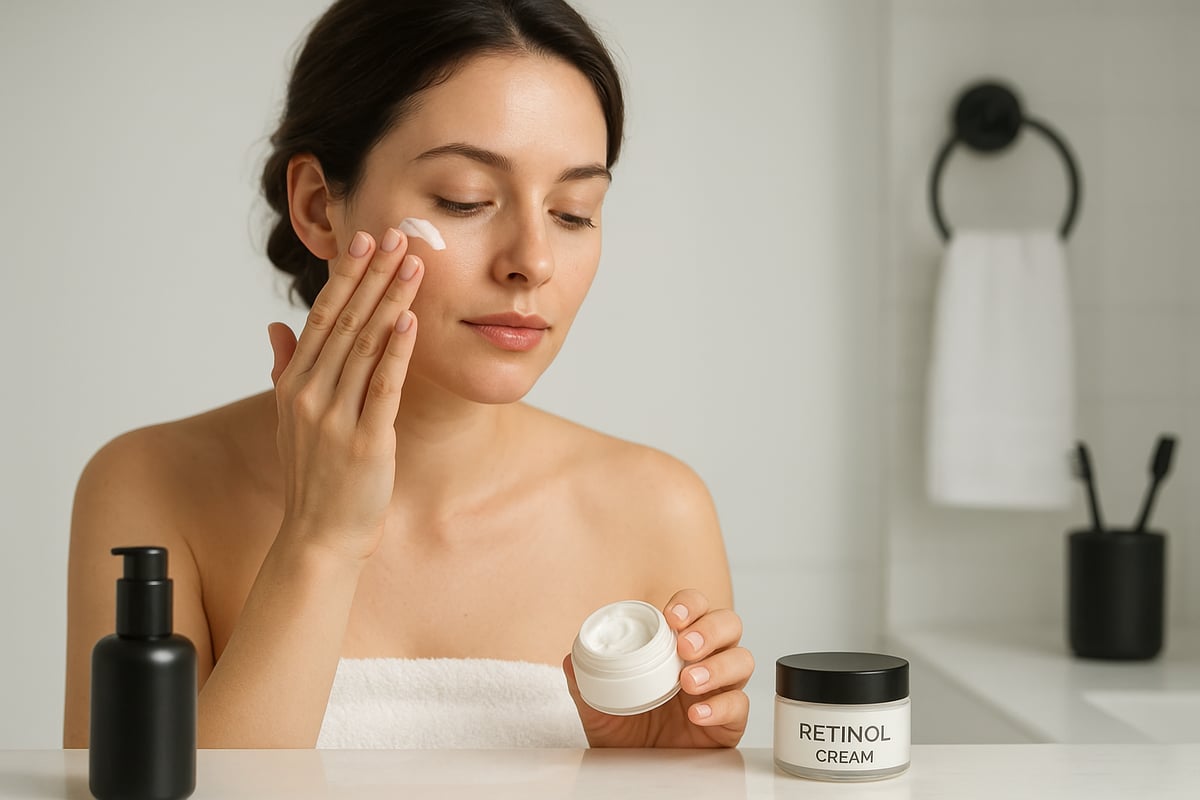
Many people make mistakes when introducing retinol cream. Among the most frequent are overdosing, applying it too often, and especially forgetting to use adequate sun protection.
- Applying too much retinol cream can cause redness and a burning sensation.
- Using the product every night from the start increases the risk of irritation.
- Neglecting sun protection exposes the skin to further damage.
In excess, the skin becomes more sensitive, delaying the expected benefits. Taking the time to gradually incorporate retinol cream into your routine helps avoid these problems.
Who should avoid or consult before use?
Retinol cream is not suitable for everyone. Some people should consult a professional before incorporating it into their routine, including:
- Pregnant or breastfeeding women, as retinol is not recommended during these periods.
- Ultra-sensitive skin or skin suffering from active dermatological diseases.
- Users undergoing specific dermatological treatments.
According to the latest data, 12% of users discontinue retinol cream due to irritation. Consulting a dermatologist is always recommended if you have any doubts about its compatibility with your skin.
Signs of intolerance and solutions
Sometimes, the skin reacts badly to retinol cream. Common signs of intolerance include persistent redness, peeling, and itching. If these symptoms appear, it is advisable to temporarily stop using retinol cream and reintroduce the product gradually.
To soothe the skin, opt for a minimalist routine and enhanced hydration. For example, a certified organic face cream can provide comfort while respecting skin sensitivity. Gradually reintroducing retinol cream often helps restore balance.
Myths and misconceptions about retinol
Retinol cream is surrounded by many myths that hinder its adoption. Here are the most common ones:
- “Retinol cream thins the skin”: False, it stimulates cell renewal.
- “Forbidden in summer”: It can be used all year round with a good SPF.
- “Reserved for mature skin”: Even young skin can benefit from it depending on the needs.
Experts confirm that retinol cream, when used correctly, is suitable for different skin types and seasons. Debunking these misconceptions helps you enjoy its benefits with complete peace of mind.
How to choose the right retinol cream in 2026?
Finding the best retinol cream in 2026 can seem complex, given how quickly the market is evolving. Between labels, concentrations, and innovations, it's easy to get lost. Let's take a closer look together to help you choose the retinol cream that will reveal your skin's full radiance.
Essential selection criteria
Before incorporating a retinol cream into your routine, check a few key criteria. First, the retinol concentration: to start, opt for a formula with 0.1-0.3% and then gradually increase it. Choose textures suited to your skin type, such as gels for oily skin and rich creams for dry skin. Check for skin tolerance, especially if you have sensitive skin. Products without fragrance or alcohol minimize the risk of irritation. Finally, look for dermatological labels, proof of a tested and approved formula. An effective retinol cream should combine safety, performance, and ease of use.
Read and understand the INCI list
Understanding the INCI list of a retinol cream is key to making an informed choice. On the label, look for the word "Retinol" or its derivatives such as "Retinal" or "Retinyl Palmitate." Also, look for soothing ingredients like panthenol, allantoin, ceramides, or niacinamide. Avoid formulas containing mineral oils, silicones, or allergens if you have sensitive skin. A good product has few unnecessary ingredients. The shorter and more understandable the list, the gentler and more effective the retinol cream will be for your skin. Take the time to compare and research.
Focus on clean and natural innovations
The "clean beauty" trend is strongly influencing the choice of retinol cream in 2026. Brands are now offering minimalist formulations, with plant-based or encapsulated retinol for better tolerance. These innovations help limit irritation while maintaining effectiveness. According to the latest trends, 40% of new creams are labeled "clean beauty." To learn more about the benefits of natural cosmetics, discover Why switch to natural cosmetics . Choosing a clean retinol cream means opting for safety and transparency.
Comparison: synthetic vs. natural/encapsulated
Given the wide variety of formulas available, how can you choose the ideal retinol cream? Synthetic retinol offers proven effectiveness but can be irritating. Natural, plant-based versions are appealing due to their gentleness, while encapsulation ensures gradual release and improved tolerance. Here's a table to help you:
| Form of retinol | Benefits | Disadvantages |
|---|---|---|
| Synthetic | Powerful, fast | More irritating |
| Natural (plant-based) | Gentle, ethical | Variable efficiency |
| Encapsulated | Optimal tolerance | Higher price |
According to the Retinol Market in France , interest in these innovations continues to grow, proof of their success with consumers.
Buying advice and budget
To make a smart investment in a retinol cream, compare prices based on concentration and technology. Basic formulas start around €20, while encapsulated or "clean beauty" versions can exceed €80. Opt for purchasing from a pharmacy, drugstore, or specialized online retailer to guarantee product authenticity. Don't hesitate to read customer reviews and seek advice from experts. A quality retinol cream is a true investment in your skin's health and beauty. Choose the one that best suits your needs and budget.
FAQ: Frequently asked questions about retinol cream
Welcome to our FAQ dedicated to retinol cream. We know that incorporating this product can raise many questions. Here you'll find clear answers, based on expert advice and user experience, to guide you confidently into your routine.
At what age should retinol be started?
The question of the right age to start using retinol cream comes up frequently. Dermatologists generally recommend starting it between the ages of 25 and 30, especially if you want to prevent the first signs of aging or target imperfections.
Some people choose to start earlier if they have acne-prone skin, while others wait until wrinkles appear. There's no universal age; the important thing is to listen to your skin's needs. Younger users report improved texture and radiance within the first few weeks, especially with a gradual approach.
How long before I see results?
Regular use of retinol cream requires a little patience. Generally, the first visible effects appear between 4 and 12 weeks, depending on the chosen concentration and the regularity of application.
Several factors can influence how quickly you see results: age, skin type, individual tolerance, and synergy with other suitable skincare products. To maximize benefits, it's advisable to keep a small beauty journal. This allows you to track your skin's progress and adjust your routine over time.
Can retinol be used with other treatments?
Incorporating retinol cream into a routine that includes other active ingredients is possible, provided certain precautions are taken. It is often compatible with moisturizing products, niacinamide, or hyaluronic acid to boost hydration.
However, it's best to avoid combining retinol with vitamin C or exfoliating acids on the same evening. For those with combination to oily skin, following a skincare routine specifically formulated for combination to oily skin can be helpful to optimize the effects of retinol without irritating the skin. If in doubt, consult a healthcare professional.
What should I do in case of irritation or side effects?
Retinol cream can sometimes cause redness, tightness, or dryness during the first few uses. If this happens, it's essential to space out applications, use a rich moisturizer, and protect your skin from the sun.
Also, consider incorporating soothing products into your daily routine. If irritation persists despite these precautions, don't hesitate to consult a dermatologist. A temporary break can sometimes be beneficial, allowing the skin to regain its natural balance and start fresh.
Together, we explored all the secrets to incorporating retinol into a minimalist, natural routine that respects both your skin and the planet. It's truly inspiring to see how small steps can transform the radiance and health of our complexion, especially when we choose gentle, effective, and ethical products. If you want to continue this positive momentum and discover how simplicity can also be applied to other daily skincare routines, I encourage you to try it now and take the first step towards a healthier and more mindful beauty routine.