


Complete Guide to Natural Deodorant: Tips and Advice 2026
Discover our complete guide to natural deodorant for 2026: tips, choosing the right DIY product, advice, and mistakes to avoid for a healthy and eco-friendly routine. Let's go natural together!

Tired of conventional deodorants with questionable ingredients that leave your armpits irritated and the environment suffering? In 2026, more and more people are choosing natural deodorants to take care of their health while respecting the planet.
In this comprehensive guide, we'll take you on a journey to discover the secrets of natural deodorant. Learn about its safe ingredients, its eco-friendly benefits, and how to choose the right one. We'll also share usage tips, easy DIY recipes, common mistakes to avoid, and the trends to follow this year.
Ready to go natural and adopt a fresh, healthy routine? Follow us to learn everything you need to know and find the perfect natural deodorant for you!
Understanding Natural Deodorant: Definition and How It Works
Are you wondering what differentiates a natural deodorant from a classic one? Let's delve into the world of natural products together to understand their specific characteristics, how they work, their advantages and their limitations.
What is a natural deodorant?
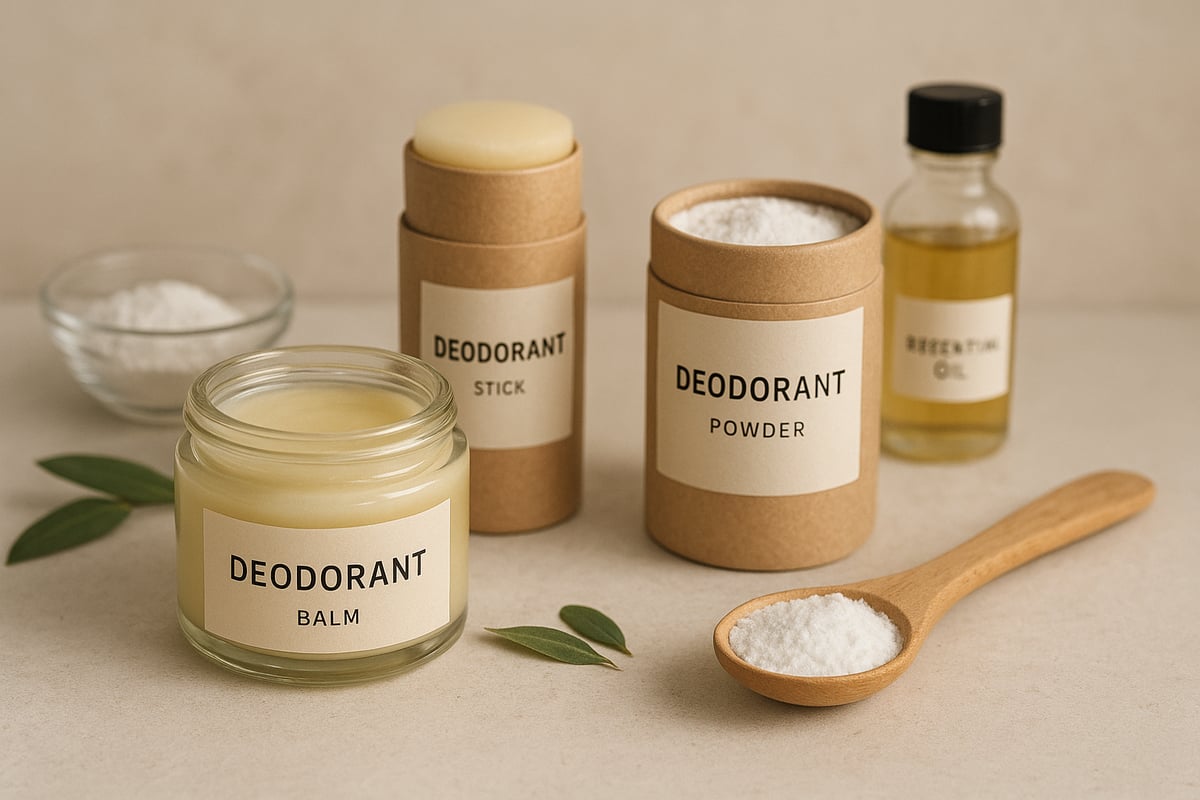
A natural deodorant is a hygiene product formulated with naturally derived ingredients, free from controversial substances. Unlike conventional deodorants, it contains no aluminum salts, parabens, or irritating alcohols. It often contains baking soda, essential oils, cornstarch, or vegetable wax. These components work together to neutralize odors without blocking the natural perspiration process.
| Ingredient | Natural Deodorant | Classic Deodorant |
|---|---|---|
| Bicarbonate | ✔️ | ❌ |
| Essential oils | ✔️ | ❌ |
| Aluminum salts | ❌ | ✔️ |
| Parabens | ❌ | ✔️ |
Adopting a natural deodorant means choosing transparency and simplicity in your daily routine.
How does a natural deodorant work?
Natural deodorant works primarily by neutralizing odor-causing bacteria, rather than blocking perspiration. Its natural active ingredients respect the balance of the skin's microbiome, preserving its natural flora. Unlike antiperspirants, it doesn't clog pores, allowing the body to naturally regulate its temperature.
Some formulas combine absorbent powders and essential oils to provide effective protection throughout the day. The result? A lasting feeling of freshness, without irritating the skin. Using a natural deodorant is therefore a gentle way to protect your skin.
Health and environmental benefits
Choosing a natural deodorant is a step towards better health and a healthier planet. Gentle formulas minimize the risk of allergies and irritations, especially for sensitive skin. From an environmental perspective, most natural deodorants come in eco-friendly, biodegradable, or refillable packaging.
According to this National Geographic article , conventional deodorants contribute to air pollution through volatile organic compounds. Conversely, natural deodorants limit this impact, while also meeting the growing demand for organic and environmentally friendly products.
Limitations and misconceptions
Some people still believe that a natural deodorant is less effective than a commercial antiperspirant. However, many users report good results after a short adjustment period. It's normal to go through a transition period while the skin gets used to the new formula.
Sometimes you need to try several recipes or brands to find the one that best suits your perspiration and your expectations. The most important thing is to listen to your body, persevere, and not get discouraged if the results aren't immediate. Natural deodorant quickly becomes an everyday essential when you give it a real chance.
Why Adopt a Natural Deodorant in 2026?
Wondering why so many people are switching to natural deodorant in 2026? This choice isn't just a trend, but a true revolution for your health and the planet. Let's explore together why more and more consumers are making this move towards natural products, and how it can also transform your daily life.
Health and well-being: the proven benefits
Choosing a natural deodorant is a concrete step towards better health. Numerous studies show that certain ingredients in conventional deodorants, such as aluminum salts or parabens, can cause irritation or allergic reactions. Natural formulas, on the other hand, favor gentler components, often suitable for sensitive skin.
Do you suffer from redness or itching under your arms? Natural deodorant is known for its superior skin tolerance. Many people with sensitive skin report real relief after switching to natural products. By choosing this type of product, you're investing in everyday comfort and safety.
Respect for the environment: an eco-responsible choice
Choosing a natural deodorant is also a way to help the planet. Conventional deodorants, especially aerosols, generate plastic waste and polluting emissions. Natural versions, often available as sticks, balms, or refills, reduce carbon footprints and promote zero waste.
For example, Kiima's refillable natural deodorant combines effectiveness and environmental responsibility thanks to its reusable format. This reduces waste while providing healthy protection. By 2026, this responsible approach is attracting more and more households concerned about their environmental impact.
Trends for 2026: What consumers want
By 2026, demand for natural deodorant is exploding. Consumers want transparent, simple, and ethical products. Organic, vegan, and cruelty-free labels have become essential selection criteria. Brands that focus on ingredient clarity and traceability are gaining public trust.
The natural deodorant market is experiencing double-digit growth, especially in Europe. Statistics show that simple formulas and high-quality ingredients are key concerns. This trend reflects a collective desire to return to basics, for oneself and for the planet.
Target profiles and purchasing motivations
Natural deodorant appeals to a wide range of people. Athletes seek uncompromising effectiveness, pregnant women want to avoid endocrine disruptors, and teenagers appreciate gentle formulas. Sensitive skin finally has a respectful alternative.
The main motivations? To adopt a non-toxic product, support local and artisanal producers, and protect the health of the whole family. In 2026, choosing a natural deodorant means affirming your values and making an informed choice for your well-being and that of the planet.
Choosing the Right Natural Deodorant: Criteria and Comparison
Finding the right natural deodorant can seem complicated, but with a few guidelines, it's easy to find your way. We'll break down each essential criterion so you can make an informed choice, tailored to your skin and your values.
Read and understand the list of ingredients
Before buying a natural deodorant, make it a habit to read the label. Opt for simple ingredients like baking soda, coconut oil, clay, or cornstarch. Avoid harsh preservatives or allergenic essential oils if you have sensitive skin. Labels like COSMOS, Ecocert, or Vegan guarantee a certain level of transparency and safety. A good example to discover is Le Classik Natural Balm Deodorant , appreciated for its short and effective formula. By carefully understanding the ingredient list, you can choose a natural deodorant that's truly suited to your needs.
Shape, texture and fragrance: finding the right format
Natural deodorant comes in several forms: cream, stick, roll-on, or powder. Each has its advantages: cream is easy to apply with your finger, stick is convenient for travel, and powder offers a lightweight feel. As for fragrances, choose natural scents derived from essential oils or plant extracts. If you have sensitive skin, opt for an unscented version or one with gentle fragrances. Your choice will depend on your routine, your sensory preferences, and the practicality you're looking for in your natural deodorant.
Criteria for effectiveness and adaptation to perspiration
A good natural deodorant should neutralize odors without blocking perspiration. Check its long-lasting effect and resistance to physical activity, especially if you are an athlete or prone to heavy sweating. Some formulas are enriched with absorbent powders or plant extracts to better regulate moisture. Comparisons show that effectiveness varies depending on the composition and daily activity level. Don't hesitate to try different natural deodorants to find the one that suits your lifestyle and your freshness needs.
Sensitivity and allergies: precautions to take
If you have sensitive skin, choosing a natural deodorant requires even more careful consideration. Always test the product on a small area before regular use. Opt for formulas without baking soda if you are prone to irritation, and limit potentially allergenic essential oils. Consult dermatological recommendations and look for user reviews from people with your skin type. The absence of harsh preservatives and alcohol often ensures better daily tolerance for your natural deodorant.
Tips for testing and adopting a new natural deodorant
The adjustment period to a natural deodorant can last from a few days to a few weeks. During this phase, it's normal to experience a slight increase in odor or perspiration: this is the so-called underarm detox. To maximize your chances of success, start by applying the product to clean, dry skin, and be patient. Switch to a different formula if irritation persists. Listening to your body and connecting with the natural deodorant user community are invaluable assets for a successful transition.
basic. : The Swiss Example of Minimalist Natural Cosmetics
The Swiss company basic. embodies the trend of minimalist, high-performance natural deodorants. Their short, vegan, and aluminum-free formulas meet the expectations of discerning consumers in 2026. Their commitment to transparency, organic ingredients, and local sourcing has garnered a loyal customer base. Customer feedback highlights the effectiveness and gentleness of basic. products, as well as their positive environmental impact. By choosing a natural deodorant like this, you support responsible cosmetics that respect both your skin and the planet.

Usage Tips and Tricks to Maximize Efficiency
Switching to natural deodorant is much more than just changing products. It's about adopting new habits and rethinking your daily routine. Here are our tips to get the most out of your natural deodorant and enjoy lasting freshness all year round.
Optimal application routine
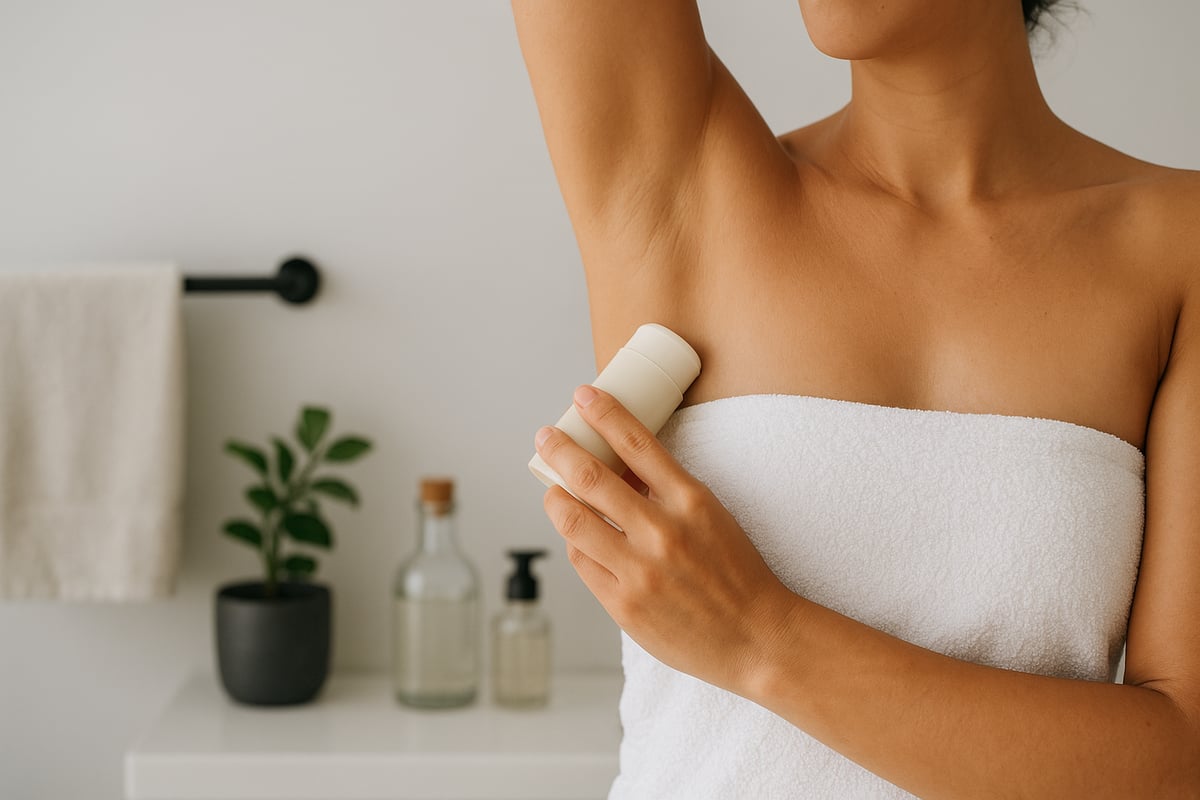
To fully enjoy the benefits of your natural deodorant, it's essential to adopt a suitable routine. Apply the natural deodorant to clean, dry skin, ideally right after showering. This maximizes the absorption of the active ingredients and the feeling of freshness.
Use a small amount; the equivalent of a pea-sized amount is often enough. Gently massage in circular motions to distribute the product evenly. Opt for minimalist formulas and, for an even more hygienic and eco-friendly application, consider using a refillable deodorant applicator . This simple step helps maximize the lifespan of your natural deodorant and prevents waste.
Adopting these habits also means giving your skin the respect it deserves, while reinforcing the effectiveness of natural deodorant day after day.
Tips to avoid marks and stains
Do you recognize those white marks on dark clothes or yellow stains on light ones? With a natural deodorant, these problems are less frequent, but a few simple tips can help you avoid them completely.
Always wait until your natural deodorant is completely dry before getting dressed. Opt for natural fabrics like cotton or linen, which absorb moisture better and minimize stains. If you're wearing fitted clothing, apply a lighter amount.
For stubborn stains, a quick wash in cold water is often enough. Experiencing natural deodorant also means learning to listen to your skin and clothes to stay comfortable in all circumstances.
Adapt usage according to seasons and activities
Natural deodorant is suitable for all times of the year. In summer, perspiration is more intense, so don't hesitate to reapply during the day if needed. Opt for formulas enriched with absorbent powders for hot weather or during sports activities.
In winter, your skin can be drier. Choose a natural deodorant containing plant oils to keep your underarms soft. When you're out and about or traveling, stick or roll-on deodorants are convenient to slip into your bag.
With a little observation, you will quickly find the right balance so that your natural deodorant remains an effective ally, whatever the season.
Managing the transition phase: patience and perseverance
Switching to natural deodorant may require an adjustment period. Skin sometimes needs a few days to a few weeks to regain its natural balance. During this phase, you may notice a slight increase in odor or perspiration.
Don't panic, it's perfectly normal. Natural deodorant works by respecting the skin's natural flora, unlike antiperspirants which block perspiration. Be patient and persevere; your body will regulate itself.
To ease the transition, cleanse your underarms morning and evening, and moisturize them if needed. This period is often an opportunity to rediscover a feeling of well-being, proof that your natural deodorant is working.
Combine with other natural hygiene practices
To maximize the effectiveness of your natural deodorant, adopt a gentle, all-encompassing routine. Use absorbent powders like arrowroot or cornstarch after showering. Sage or lavender hydrosols can also be sprayed on your underarms to enhance the feeling of freshness.
Remember to wear loose, breathable clothing to limit excessive sweating. A balanced diet, rich in fruits and vegetables, also helps to naturally regulate body odor.
By combining these actions with the regular use of your natural deodorant, you create a virtuous circle for your daily well-being.
Answers to common problems
Even with a natural deodorant, minor issues can sometimes arise. If irritation occurs, check the ingredient list and choose a formula without baking soda or essential oils if you have sensitive skin.
If the odors persist, increase the frequency of application or alternate with another natural deodorant scent. Don't hesitate to consult a professional if the problem continues.
Changing formulas or trying different brands is part of the natural deodorant journey. The important thing is to listen to your body, adjust your routine, and fully enjoy all the benefits of natural products.
DIY Recipes and Homemade Alternatives for a Natural Deodorant
Want to take back control of what you apply under your arms? Making your own natural deodorant is simple, economical, and rewarding. Let's explore together the best recipes, tips, and precautions to confidently create your own natural deodorant.
Why make your own deodorant?
Creating your own natural deodorant at home is, above all, about taking control of the ingredients. This way, you avoid controversial substances and can tailor the formula to your needs.
Many people choose DIY to reduce waste, save money, or limit their environmental impact. It's also a great opportunity to experiment and personalize every aspect of their routine.
- Total control of the ingredients
- Less plastic, more reusable packaging
- The pleasure of doing it yourself
Making your own natural deodorant also means giving yourself a gentler routine for your skin and the planet.
Simple recipe for homemade natural deodorant
Ready to take action? Here's a basic recipe for an effective natural deodorant:
Ingredients :
- 3 tablespoons of coconut oil
- 2 tablespoons of baking soda
- 2 tablespoons of cornstarch or arrowroot
- 5 drops of essential oil (tea tree, lavender, etc.)
Steps:
- Melt the coconut oil in a double boiler.
- Add the bicarbonate and cornstarch, mix well.
- Remove from heat and stir in the essential oils.
- Pour into a clean jar and let cool.
Store your natural deodorant in a cool place and use it within three months.
Adapt the recipe to your needs
Every skin is unique. You can therefore adjust your natural deodorant according to your sensitivities or olfactory preferences.
For sensitive skin, try a version without baking soda or reduce the amount. Essential oils can be changed or omitted depending on allergies. Why not try a touch of shea butter for added softness?
Recent trends emphasize the addition of probiotics or prebiotics to support the skin microbiome. To learn more about these innovations, see Innovations in Natural Deodorants .
Feel free to personalize your natural deodorant for a result that perfectly suits you.
Minimalist and zero-waste alternatives
Looking for even more simplicity? Natural deodorant can also be synonymous with minimalism. Here are a few options:
| Alternative | Efficiency | Practicality | Waste |
|---|---|---|---|
| alum stone | Average | Easy | Weak |
| Arrowroot powder | Good | Very easy | Zero |
| Hydrosol | Weak | Easy | Zero |
Many appreciate natural alum stone or absorbent powders, which can be applied in a flash. DIY enthusiasts report great satisfaction, especially when they finally find the perfect natural deodorant for their daily routine.
Precautions and limitations of DIY
Even with a homemade natural deodorant, certain precautions are necessary. It is essential to test each new mixture on a small area before daily use.
- Beware of allergies (especially to essential oils)
- Strict hygiene during preparation
- Store in a cool, dark place.
Remember to reapply your preparation regularly and listen to your skin. If irritation occurs, stop using the natural deodorant and consult a professional if necessary.
Creating your own natural deodorant is first and foremost a kind act towards yourself and the environment. Enjoy experimenting, while remaining mindful of your comfort.
Mistakes to Avoid and Misconceptions About Natural Deodorant
Switching to natural deodorant also means encountering many misconceptions and false beliefs. Many hesitate, wondering if this choice is truly worthwhile or fearing disappointment. To help you see things more clearly, let's explore together the common mistakes, the myths to debunk, and the best practices to adopt to fully enjoy your natural deodorant.
Common misconceptions about natural deodorant
Natural deodorant often suffers from an unfair reputation: “Natural products aren’t effective,” “They don’t last all day,” or even “A deodorant should also block perspiration.” However, the main difference between a natural deodorant and a conventional antiperspirant lies in how they work. Natural deodorant neutralizes odors with gentle ingredients, without preventing your body from eliminating toxins.
Here are some common myths:
- Natural deodorant isn't as effective? False! Numerous studies and user reviews confirm its effectiveness.
- It doesn't protect against excessive sweating? It regulates without blocking, respecting the skin.
- Does it cause more irritation? Actually, it is often better tolerated.
To better understand these differences and the criteria for effectiveness, consult this comparison of deodorants and antiperspirants which highlights the ingredients to favor and those to avoid.
Common mistakes when transitioning to natural products
Switching to a natural deodorant sometimes requires an adjustment period. Many people give up too quickly, thinking the product isn't right for them. Here are the most common mistakes to avoid:
- Apply the natural deodorant to damp or irritated skin.
- Do not take into account the transition phase, where odors may temporarily intensify.
- Choosing a formula that is unsuitable for your skin type or level of perspiration.
Our advice? Persevere. Give yourself a few weeks for your body to adjust. Try different textures and scents, and don't hesitate to adapt your routine to your needs.
Tips to avoid unpleasant surprises
Switching to a new natural deodorant also means accepting that you'll need to experiment a bit at first. To maximize your chances of success:
- Test the product on a small area before full use.
- Opt for short formulas, without harsh preservatives.
- Listen to community feedback and don't hesitate to ask for advice.
Remember, every skin is unique. You may need to try several brands before finding the perfect natural deodorant for you. Patience and listening to your body are your best allies.
Focus on disinformation and transparency
The world of natural deodorants is not immune to misinformation, especially on social media. It's easy to stumble upon false claims or exaggerated promises. To sort through the information, rely on recognized labels, European regulations, and reliable market analyses like the one offered in this analysis of the natural deodorant market .
Seeking information from reliable and transparent sources allows you to choose a natural deodorant with confidence, without giving in to rumors or fleeting trends.
Together, we've explored all the secrets to choosing a natural deodorant that respects your skin and the environment, without sacrificing effectiveness or the pleasure of using it. If you too want to switch to a minimalist, safe, and truly kind routine for your body, now's the time to get started. Many of us are looking for healthy and transparent alternatives, so why not experience for yourself the difference a short, effective formula can make? I invite you to try it now and join the community of those who are taking care of themselves differently.