


Complete Guide to Native Cosmetics in 2026
Discover native cosmetics with our 2026 guide. Understand their benefits, learn to choose the best brands, and easily integrate them into your routine.

By 2026, the native cosmetic revolution will transform the way we take care of ourselves, prioritizing effectiveness, ethics, and authenticity. This movement, which gives pride of place to local and raw ingredients, is attracting a growing number of followers seeking transparency and simplicity.
Do you want to understand what native cosmetics really are, why they're generating so much buzz, and how to incorporate them into your daily routine? This comprehensive guide will walk you through its definition, the key trends for 2026, the criteria for choosing the right products, the benefits and typical routines, the must-have brands, and practical tips to confidently take the plunge.
Ready to reinvent your beauty routine with a more responsible and authentic approach? Follow us to explore the inspiring world of native cosmetics.
What is Native Cosmetics?
Native cosmetics are increasingly intriguing beauty enthusiasts seeking meaning. This movement, at the crossroads of authenticity and respect for nature, appeals with its promise of effectiveness and transparency. But how does native cosmetics truly differ from other approaches? Let's delve into its foundations to better understand this movement that is shaping the future of beauty.
Definition and origins of the concept
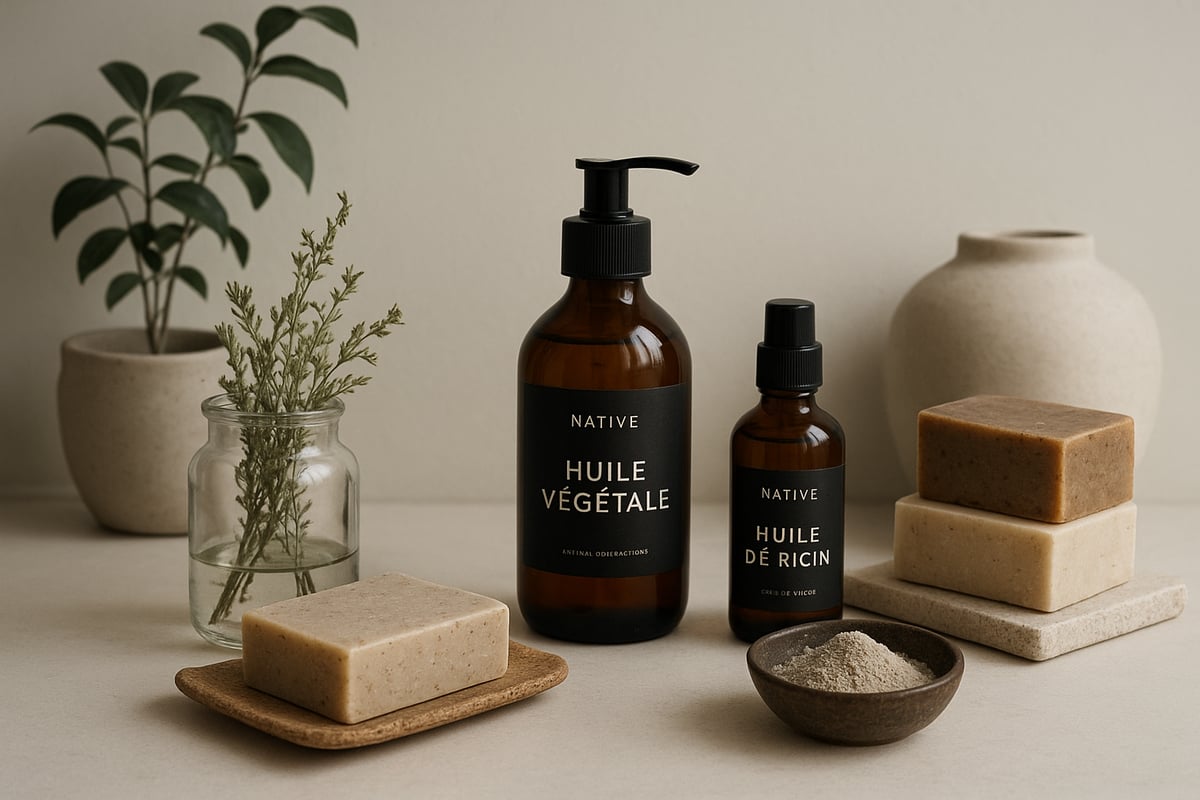
Native cosmetics refers to skincare products formulated with local, raw, and minimally processed ingredients. Unlike conventional natural or organic cosmetics, each native cosmetic product prioritizes the origin, freshness, and simplicity of its components. This movement stems from a growing desire for a return to authenticity and transparency. Consumers want to know what they are applying to their skin and where those ingredients come from.
The major difference lies in the origin and minimal processing. Native cosmetic products are created according to traditional recipes, inspired by local know-how, to offer a unique and authentic experience.
Fundamental principles
The strength of native cosmetics lies in minimalist formulation and a genuine ethical approach. Ingredients are chosen for their raw quality, without unnecessary additives or controversial substances. This approach prioritizes environmental preservation and the promotion of local cultures.
Traceability is also key. Every step, from harvesting to bottling, is transparent. Brands committed to native cosmetics provide precise information on the origin and processing method of each component, thus strengthening user trust.
Why the term “native”?
The word “native” takes on its full meaning in native cosmetics. It expresses the value of origin, terroir, and traceability. Using native ingredients means celebrating the unique resources of each region, while respecting natural cycles.
Several examples illustrate this approach: Moroccan clay, rich in minerals; cold-pressed Swiss vegetable oils; and hand-picked extracts of endemic plants. Each native cosmetic product tells a story of territory and respect.
Differences with clean beauty and green beauty
Native cosmetics are clearly distinguished from clean beauty and green beauty by their local roots and enhanced traceability. While clean beauty focuses on formula safety and green beauty on overall ecology, native cosmetics emphasize authenticity and local culture.
Less about marketing and more about authenticity, it speaks to those who wish to reconnect with beauty rituals rooted in tradition. The focus is on the reality of the ingredients and their history, rather than on universal promises.
Key figures and market trends
The global native cosmetics market is experiencing impressive growth of 15% per year according to Statista 2024. This dynamic is driven by a generation of 18-35 year olds, who are increasingly attentive to the origin and impact of their purchases.
Demand for locally sourced and ethical skincare is exploding, forcing brands to rethink their processes. Consumers are looking for products that combine effectiveness, meaning, and responsibility, making native cosmetics a rapidly expanding sector.
Examples of iconic products
A few products perfectly embody the spirit of native cosmetics. These include deodorants made with local oils, cold-process soaps, and facial care products formulated with endemic plants. Users often report a significant difference in skin tolerance and the overall experience they provide.
To discover a concrete example, the Native Natural Balm Deodorant perfectly illustrates the native cosmetic philosophy, both in the selection of ingredients and in the artisanal approach.
Trends in Native Cosmetics for 2026
By 2026, native cosmetics will emerge as a major movement, transforming our beauty habits and our relationship with skincare. Emerging trends demonstrate how innovation, eco-responsibility, and personalization intertwine to offer a unique, local, and conscious experience. Let's explore the key areas shaping native cosmetics this year.
Key ingredients and innovations
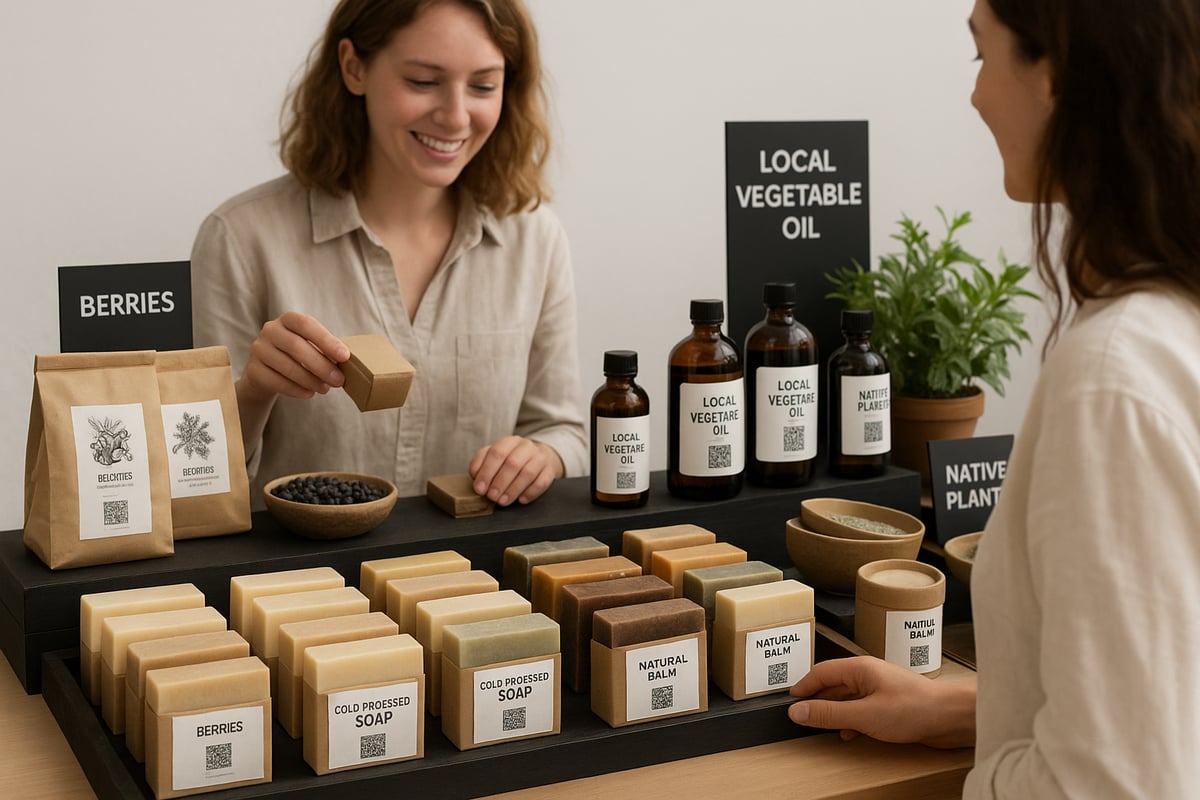
The year 2026 marks the rise of indigenous ingredients at the heart of native cosmetics. Nordic berries, Swiss seed oils, and regional clays are prized for their effectiveness and authenticity. These components, often sourced through short supply chains, are extracted using environmentally friendly methods, such as cold pressing or solvent-free extraction.
Innovation is also expressed in the promotion of endemic plants and the rediscovery of ancestral know-how. Brands are investing in research, while focusing on the simplicity of formulas to guarantee the purity of their products.
To better understand the evolution of this segment, consult this detailed analysis of the growth of the plant-based cosmetics market , which sheds light on the rise of native ingredients in native cosmetics.
Eco-friendly packaging and distribution
Eco-friendly packaging is becoming the norm in native cosmetics. Brands are favoring refillable, compostable, or returnable packaging, thus reducing their environmental impact. This approach is accompanied by a distribution strategy focused on short supply chains, supporting local shops and direct sales.
Buying a Native Cosmetic product also means supporting a local network where personalized advice and transparency are guaranteed. Consumers increasingly appreciate the option to return their containers for refills, thus incorporating a zero-waste approach into their beauty routine.
Certifications and labels
Certifications play a key role in building trust in native cosmetics. In 2026, new labels emerged, such as Slow Cosmétique, COSMOS, and local certifications guaranteeing the origin and ethical sourcing of ingredients. These distinctions reassure consumers, 88% of whom say they trust certified products more.
For brands, obtaining these labels has become essential, given the strong demand for transparency. The proliferation of labels is accompanied by increased vigilance to prevent greenwashing and guarantee the authenticity of native cosmetics.
Personalization and local rituals
Personalization is at the heart of native cosmetics. Routines are now adapted to climate, skin type, and regional traditions. For example, Swiss skincare is specifically formulated for sensitive skin, while the Mediterranean inspires rich treatments for dry skin.
Here are some examples of personalized routines:
- Minimalist routine for combination skin with local oils
- Mediterranean moisturizing ritual based on endemic plants
- Soothing skincare for sensitive skin in alpine climates
This approach values diversity and strengthens the link between beauty, culture and the environment.
Digitalization and transparency
Digitalization is amplifying transparency in native cosmetics. Thanks to blockchain and QR codes on packaging, it's becoming easy to trace the exact origin of each ingredient. Consumers can scan a product and access its story, from harvest to processing.
Community platforms also play a major role, allowing users to share their opinions and co-create new products. This openness fosters a relationship of trust between brands and consumers and encourages innovation within native cosmetics.
Conscious consumption and minimalism
By 2026, the trend is towards mindful consumption and minimalism. More and more native cosmetic enthusiasts are reducing their routine to three or four essential products, focusing on quality and versatility. According to Euromonitor, 67% of consumers report having simplified their beauty ritual.
Native skincare routines prioritize multifunctional products, minimize waste, and focus on the essentials. This "less is more" movement reflects a desire to consume better, in line with one's values and the planet.
How to Choose a Native Cosmetic Product?
Choosing a Native Cosmetic product might seem complex, but with the right guidance, it becomes a rewarding experience. Together, we'll explore how to navigate the options, what criteria to consider, and how to confidently integrate these products into your beauty routine.
Essential selection criteria
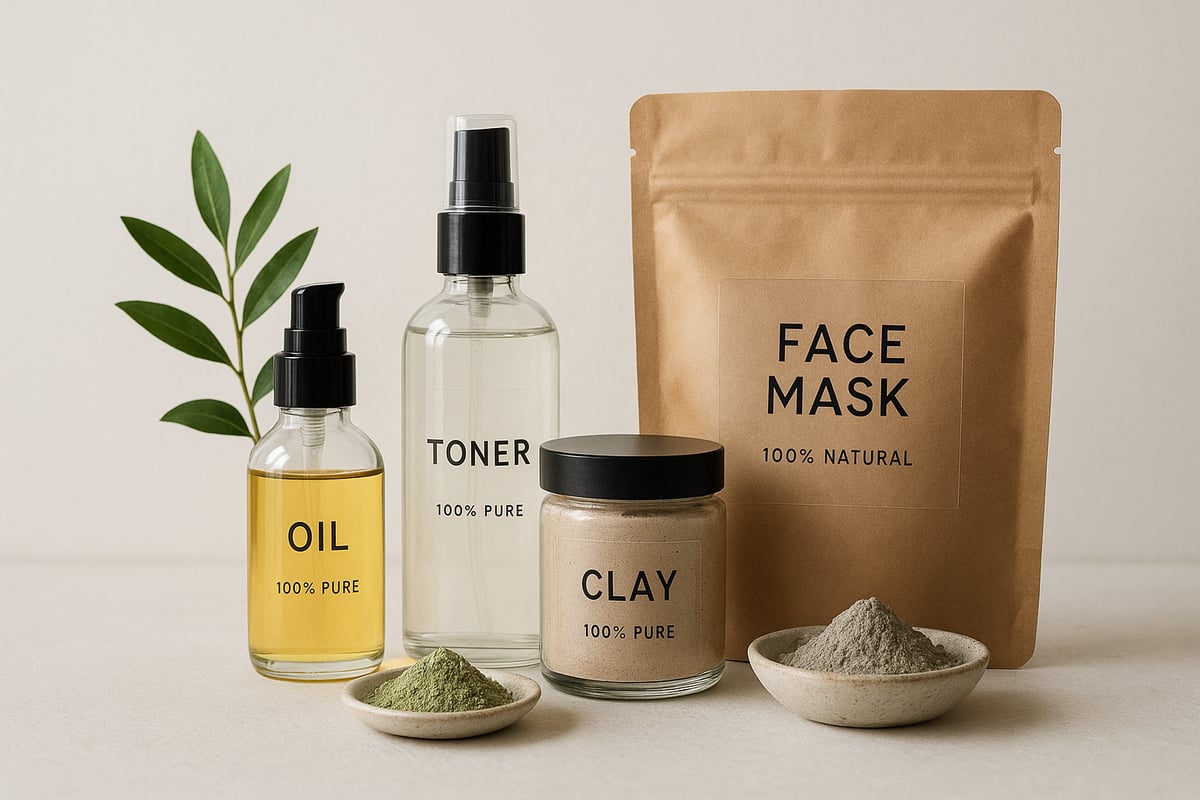
To choose a Native Cosmetic product wisely, start by checking the geographical origin of the ingredients. A good product should clearly indicate the origin, traceability, and processing method of the raw materials.
Next, opt for a short and easily understandable INCI list. The more minimalist the formula, the better. Avoid unnecessary additives and favor local, raw, and minimally processed ingredients. If you'd like to delve deeper into the transition, discover how to switch to natural cosmetics to adopt the right habits from the start.
Finally, pay attention to the brand's transparency and the consistency between the message and the reality of the product.
Labels and certifications to look for
Labels are valuable indicators for distinguishing an authentic native cosmetic from a mere marketing ploy. Look for certifications such as COSMOS, Ecocert, Slow Cosmétique, or PETA Vegan.
Always verify the authenticity of the label: beware of unofficial logos or vague terms. A recognized label guarantees not only the quality of the ingredients, but also ethical manufacturing practices and respect for the environment.
To go further, feel free to compare several labels and consult the charter of each organization.
Read and understand the compositions
Understanding an INCI list is essential for choosing a native cosmetic product suited to your needs. Prioritize simple, locally sourced ingredients, free of allergens and endocrine disruptors.
Here is an example of an ideal list:
- Local vegetable oil (e.g., Swiss sunflower oil)
- Regional clay
- Extract from an endemic plant
Avoid long ingredient lists, synthetic preservatives, or artificial fragrances. The clearer and shorter the list, the better the product will be for your skin and the environment.
Test and adopt according to your skin type
Before using any new Native Cosmetic product, always perform a patch test on your wrist or behind your ear. This minimizes the risk of allergic reactions, especially if you have sensitive skin.
Start with miniature sizes or samples. If you have oily skin, opt for lightweight products with regulating plant extracts. For dry or mature skin, choose nourishing topical oils and rich balms.
Gradually adapt your routine to observe the effects and identify the products that suit you best.
Environmental and social impact
A major strength of Native Cosmetics is its ecological and ethical commitment. Opt for recyclable, reusable, or deposit-return packaging. Check if the brand supports local producers and values artisanal craftsmanship.
The environmental impact is also linked to the proximity of the ingredients, which reduces the carbon footprint. Supporting these initiatives also encourages a local and responsible economy.
Price and value for money
The price of a native cosmetic may seem higher, but this is explained by the quality of the ingredients, their local origin, and the artisanal production. Remember to compare the actual cost over time: often, a minimalist and effective product lasts longer.
According to Kantar, 73% of consumers are willing to invest more in a local, ethical, and high-performing product. Consider the added value in terms of health, the environment, and support for local supply chains.
Where to buy? Distribution channels
To find authentic native cosmetics, prioritize local shops, specialized online stores, or farmers' markets. These channels guarantee optimal traceability and personalized advice.
Don't hesitate to talk to the vendors or artisans to understand the story behind each product. This direct connection fosters trust and a commitment to more responsible beauty.
Advantages and Limitations of Native Cosmetics
Native cosmetics are attracting a growing number of followers thanks to their many advantages, but they are not without their challenges. Let's explore together what makes them strong and what makes them weak, to help you make informed and responsible choices.
Benefits for skin and health
Native cosmetics are known for their excellent skin tolerance. Their short formulas, free of unnecessary ingredients, minimize the risk of irritation and allergies. Many users notice their skin is calmer and less reactive over time.
For example, a Dermatest 2025 study shows that 92% of people who tested native deodorants reported improved skin comfort. Local ingredients, such as raw plant oils, provide the skin with essential nutrients while respecting its natural balance. Discover more about the benefits of local plant oils for the skin , a key pillar of native cosmetics.
Positive environmental impact
Choosing native cosmetics also means reducing your impact on the planet. The ingredients are grown and processed locally, which limits transportation and CO2 emissions. Short supply chains are favored, and packaging is often recyclable or returnable.
Furthermore, artisanal production generates less waste and promotes the use of sustainable materials. By choosing native cosmetics, we support an environmentally friendly approach and actively participate in reducing our ecological footprint.
Support for the local and ethical economy
Native cosmetics encourage the local economy by valuing the work of farmers, artisans, and small producers. Each purchase helps support short supply chains and preserve traditional skills that might otherwise disappear.
This model promotes job creation and guarantees better pay for local workers. Buying native cosmetics also means choosing more ethical consumption, where transparency and human values take precedence over marketing.
Limitations and challenges to overcome
Despite its advantages, native cosmetics present some challenges. Prices are sometimes higher due to the quality of the raw materials and the artisanal processes involved. Outside of major cities, product availability can be limited, and some local ingredients may be unavailable depending on the season.
It is important to adapt and accept that native cosmetics require patience and flexibility. However, the growing interest in this model encourages the development of new points of sale and local initiatives.
Risks of greenwashing and vigilance
The popularity of native cosmetics also attracts opportunistic brands. Some are riding the wave without any real commitment, making numerous "local" or "authentic" claims without concrete evidence.
To avoid pitfalls, choose products with clear traceability, official labels, and genuine transparency about the origin of their ingredients. Don't hesitate to check customer reviews and compare brands' commitments before buying.
Integrating Native Cosmetics into Your Routine: A Practical Guide 2026
Want to transform your beauty routine with native cosmetics? This practical guide will walk you through simple steps, aligned with your values, to fully enjoy the benefits of native cosmetics. Ready to take the plunge and discover a more local, minimalist, and responsible routine?
Step 1: Conduct an audit of your current routine
Before incorporating native cosmetics into your daily routine, start by observing your habits. Which products do you actually use every day? Which ones remain at the back of the cupboard?
Make a list of everything you apply to your skin morning and night. Note the frequency of use, the actual benefit, and the origin of each product.
Here is a checklist to help you:
- What do you use on a daily basis?
- Are there any duplicates or omitted products?
- Do you know where your cosmetics come from?
- Are the ingredients understandable?
This audit allows you to target the essentials and prepare the ground for a successful transition to native cosmetics.
Step 2: Choosing your first native products
To get started with natural cosmetics, focus on the essentials. Opt for a cold-process soap, a local natural deodorant, and a plant-based oil suited to your skin type.
Opt for short formulas, local ingredients, and reusable packaging. Proceed step by step, replacing one product at a time to better perceive the changes.
Need inspiration? Discover Adopting an Eco-Responsible Beauty Routine for practical advice and tips on transitioning to natural cosmetics. This gradual approach facilitates the sustainable adoption of natural cosmetics.
Step 3: Adapt your routine according to the season and your skin type
Native cosmetics naturally adapt to your needs and each season. In summer, opt for light treatments such as local hydrosols or dry oils. In winter, choose nourishing balms rich in endemic active ingredients.
For sensitive skin, opt for products without unnecessary fragrances or preservatives. Combination skin will appreciate fluid textures and regulating local plant extracts.
Feel free to adapt your routine every three months, depending on the climate and your skin's condition. Flexibility is one of the great advantages of native cosmetics.
Step 4: Maintaining and storing your products
Products derived from native cosmetics are often raw and minimally processed. They therefore require special attention for their preservation.
Store your oils and balms away from light and heat. Use clean spatulas to scoop out the products and avoid contamination. Check opening dates and look for signs of expiration (changes in smell or texture).
By following these simple steps, you'll extend the lifespan and effectiveness of your Native Cosmetic products. Less waste, more daily enjoyment.
Step 5: Going further – making some skincare products yourself
Want to personalize your native cosmetic routine? Start creating homemade treatments. A mask with local honey, a scrub with coffee grounds, an oil infused with herbs from the garden, the possibilities are endless.
Before you begin, familiarize yourself with hygiene rules: clean hands, disinfected utensils, small containers to avoid waste. Write down each recipe you try so you can adjust it to suit your needs.
Making your own products strengthens the connection with nature and the authenticity of native cosmetics. It's also an excellent way to reduce your environmental footprint.
Step 6: Gather information and share your experience
The native cosmetic community is active and supportive. Join support groups, connect with enthusiasts on social media or at local workshops.
Share your discoveries, recipes, and successes. The more you share, the more you help to develop the offerings and encourage brands to remain authentic and transparent.
Check out review platforms or follow engaged influencers to discover new products and tips. The collective experience enriches your journey with native cosmetics.
Step 7: Adapt your consumption to your values
Incorporating native cosmetics also means rethinking how you shop. Prioritize bulk purchases, support local artisans, and choose brands that are transparent about the origin of their ingredients.
Participate in workshops or events focused on natural cosmetics to strengthen your commitment. Trust your intuition and ethics to guide your choices.
Changing your habits also means opening yourself up to a simpler and more responsible beauty, true to the spirit of native cosmetics.
Leading Brands and References in Native Cosmetics in 2026
The native cosmetics market is attracting a growing number of responsible beauty enthusiasts. By 2026, many brands stand out for their authenticity and local commitment. Choosing a native cosmetics brand means prioritizing transparency, respect for the land, and proven effectiveness. Let's explore the essential brands and criteria to help you navigate this rapidly expanding market.
Overview of must-have brands
By 2026, certain brands dominate the native cosmetics world thanks to their local roots and transparency. These include La Canopée (France), a pioneer in raw, locally sourced formulas, and Douces Angevines, experts in botanical skincare derived from the land. In Switzerland, basic. has established itself as a benchmark with its minimalist skincare. Terre de Mars, meanwhile, incorporates recycled coffee into its routines. These brands share a common vision: to offer effective, ethical products deeply rooted in their local communities. Native cosmetics thus become synonymous with trust and authenticity.
Focus on local innovation
Innovation in native cosmetics is expressed through the use of indigenous ingredients and environmentally friendly processes. For example, some Swiss brands collaborate directly with farmers to source rare seed oils. In France, artisans are promoting cold process soap making with endemic plants. The search for new natural active ingredients, such as Nordic berries or regional clays, is energizing the sector. These initiatives promote biodiversity and create real local added value for native cosmetics.
Criteria for choosing a trustworthy brand
To choose a reliable native cosmetic brand, it's essential to verify transparency regarding ingredient sourcing, social responsibility, and the presence of recognized certifications. Prioritize labels like Ecocert, Slow Cosmétique, or COSMOS. Online reputation and customer reviews are also valuable indicators. Want to delve deeper into certifications? Consult this comprehensive guide to organic cosmetic labels to identify authentic and committed native cosmetic brands.
basic. : Minimalist and Native Cosmetics in Switzerland
The brand basic. perfectly embodies the spirit of native cosmetics. Based in Lausanne, it offers short, effective formulas made from local ingredients, often sourced from Swiss organic farming. Its natural deodorants, face and body care products are suitable for sensitive skin. The company is committed to zero waste with recyclable packaging and a deposit return system. Ecocert, PETA, and Slow Cosmétique certifications guarantee the quality and ethical standards of every basic. product, making it a pillar of the native cosmetics movement.

Tips for spotting fake “native” brands
To avoid the pitfalls of greenwashing, pay close attention to traceability and the clarity of commitments. Check for official labels, the exact origin of ingredients, and transparency regarding product processing. Be wary of brands that jump on the native cosmetics bandwagon without genuine local roots or tangible proof. A reputable brand will always provide a complete list of its suppliers and certifications. Don't hesitate to compare and ask questions, as authenticity is at the heart of native cosmetics.
After exploring all the secrets of natural cosmetics together, you might feel ready to take the first step towards a more natural, minimalist, and respectful routine. At basic., we believe in the power of local, simple, and authentic products, without compromising on effectiveness or the planet. If you're looking to discover firsthand what natural beauty can do for you, why not start with a gentle gesture for your skin and the environment? I invite you to try it now and feel the difference for yourself. Let's move forward together!