


2025 Guide: Essential Oils Deodorant for Natural Care
Discover our 2025 guide on essential oils for deodorant, for effective, healthy, and personalized natural care. Join us and let's adopt a wellness routine together.

By 2025, more and more people are turning to essential oils for deodorant to revolutionize their wellness routine. Faced with the controversial ingredients found in many conventional deodorants, finding healthy and effective alternatives is becoming increasingly urgent.
Are you wondering how to take care of your skin while respecting your health and the environment? This comprehensive guide will walk you through the benefits of essential oils, help you choose the right formulas, create your own homemade recipes, and adopt a 100% natural routine.
Discover how to transform your daily life with personalized, safe and effective solutions, and choose a deodorant product in perfect harmony with your values.
Why choose a natural deodorant with essential oils?
Wondering why more and more people are opting for natural deodorants with essential oils in 2025? The answer lies in the quest for healthy and body-friendly skincare. Essential oils offer a gentle and effective alternative, far removed from controversial chemical formulas. Let's explore together why this choice is so appealing.
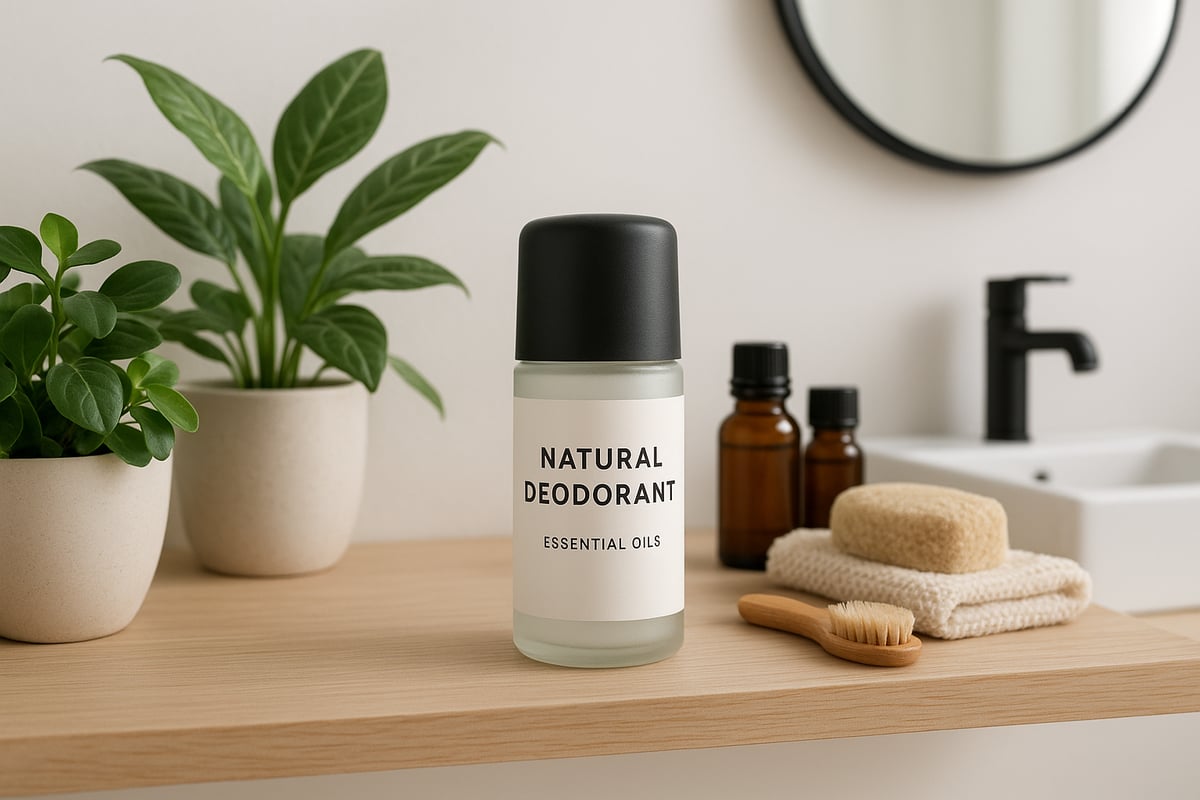
The dangers of conventional deodorants
Conventional deodorants often contain aluminum salts, parabens, alcohol, and synthetic fragrances. These ingredients can cause irritation and allergies, and their toxicity is a subject of debate. There are also concerns about their impact on the skin's natural flora and perspiration.
According to a 2023 consumer study, 62% of respondents are concerned about the presence of chemicals in their daily routine. Allergic reactions and increased sensitivities are being reported with increasing frequency. To learn more, see The Dangers of Conventional Deodorants .
The proven benefits of essential oils
Using essential oils as a deodorant means choosing natural effectiveness. Certain oils, such as Tea Tree, Palmarosa, and Lavender, possess powerful antibacterial properties. They neutralize odors without blocking perspiration, thus respecting the balance of the skin's microbiome.
Their subtle, fresh scent appeals to many users, who also report less irritation. Many claim that the effectiveness of essential oil deodorants surpasses that of conventional products, while remaining gentle on the skin.
Respect for the skin and the environment
Essential oil-based deodorant formulas are designed without endocrine disruptors or polluting residues. They are biodegradable and environmentally friendly. Making your own deodorant or choosing a refillable product also significantly reduces waste.
In 2024, sales of natural deodorants increased by 35% in Europe. Leading brands are committed to the environment by offering recyclable packaging and ingredients of controlled origin. This choice therefore benefits both our health and the ecosystem.
Adaptable to all needs and skin types
A major advantage of essential oils in deodorant lies in their adaptability. Formulas can easily be adjusted to suit individual skin sensitivities, whether you're a teenager, pregnant, or prone to skin reactions. This makes it an ideal solution for those looking to gently personalize their routine.
A choice in line with the wellness trends of 2025
By 2025, the "clean beauty" trend is gaining momentum. Consumers want more authenticity, transparency, and simplicity in their skincare. Choosing essential oils for deodorant means joining this positive movement, opting for a natural, effective product that aligns with our values of well-being.
Essential oils you need for an effective deodorant
Essential oils have become indispensable allies for a healthy and effective deodorant routine. Their diversity allows them to meet all needs, whether you're looking for antibacterial, soothing, or fragrant action. Let's explore the most effective options for creating a custom-made natural deodorant.

Antibacterial and purifying essential oils
When discussing essential oils for deodorant, antibacterial properties are paramount. Certain oils, such as Tea Tree, are known for their ability to eliminate odor-causing bacteria.
- Tea Tree : powerful antibacterial action, ideal for all skin types.
- Palmarosa : regulates perspiration while neutralizing odors.
- Clary sage : known to limit excessive sweating.
According to aromatherapy studies from 2022, these deodorant essential oils significantly reduce body odor while respecting the natural perspiration process. Their effectiveness is attracting a growing number of users seeking natural solutions.
Soothing essential oils suitable for sensitive skin
For those with sensitive skin, essential oils can also offer gentleness and protection. Soothing oils are perfect for minimizing irritation often caused by conventional deodorants.
- Fine lavender : soothes, repairs and softens the skin.
- Roman chamomile : exceptional tolerance, even on atopic skin.
- Rose geranium : balances the skin flora, subtle fragrance.
By using these deodorant essential oils in your preparations, you reduce the risk of redness or itching. Many people report a visible improvement in their skin comfort with continued use.
Refreshing and fragrant essential oils
The appeal of essential oils as deodorants also lies in their ability to naturally perfume and provide a long-lasting feeling of freshness. Some oils are particularly popular for their invigorating effect and pleasant fragrance.
- Peppermint : immediate freshness, stimulating effect.
- Lemon : antiseptic properties, invigorating fragrance.
- Petitgrain bigarade : sweet, relaxing notes.
According to user feedback, these deodorant essential oils are highly valued for their ability to mask odors without irritating the skin. They transform applying deodorant into a truly sensory experience.
Selection criteria: purity, origin, chemotype
To guarantee the effectiveness and safety of your deodorant essential oils, it is crucial to select them carefully. Always opt for pure, organic, and chemotyped oils from traceable sources.
- Check for the presence of organic labels (Ecocert, AB).
- Check the botanical and geographical origin.
- Read the labels carefully to identify the chemotype.
You can discover a carefully curated selection in our Collection of vegetable and essential oils , ideal for confidently creating your own recipes. Choosing the right essential oils for your deodorant ensures healthy, effective, and skin-friendly care.
Precautions for use specific to each essential oil
Using essential oils as a deodorant requires some precautions. Some oils can be photosensitizing (citrus fruits), while others are not recommended for pregnant or breastfeeding women (clary sage).
- Always dilute in a neutral base to avoid irritation.
- Respect the recommended dosages (1 to 3% maximum).
- Test the product on a small area before regular use.
IFRA recommendations and expert aromatherapy advice are essential to fully enjoy the benefits of deodorant essential oils while minimizing any risks. Adopt these practices for a natural and worry-free routine.
How to make your own deodorant with essential oils: recipes and steps
Making your own natural deodorant means taking back control of your daily skincare routine while protecting your health and the planet. By 2025, more and more people are opting for a simple, effective, and personalized routine using essential oils for deodorant. Let's explore the basics, recipes, and tips for a smooth transition to homemade products.
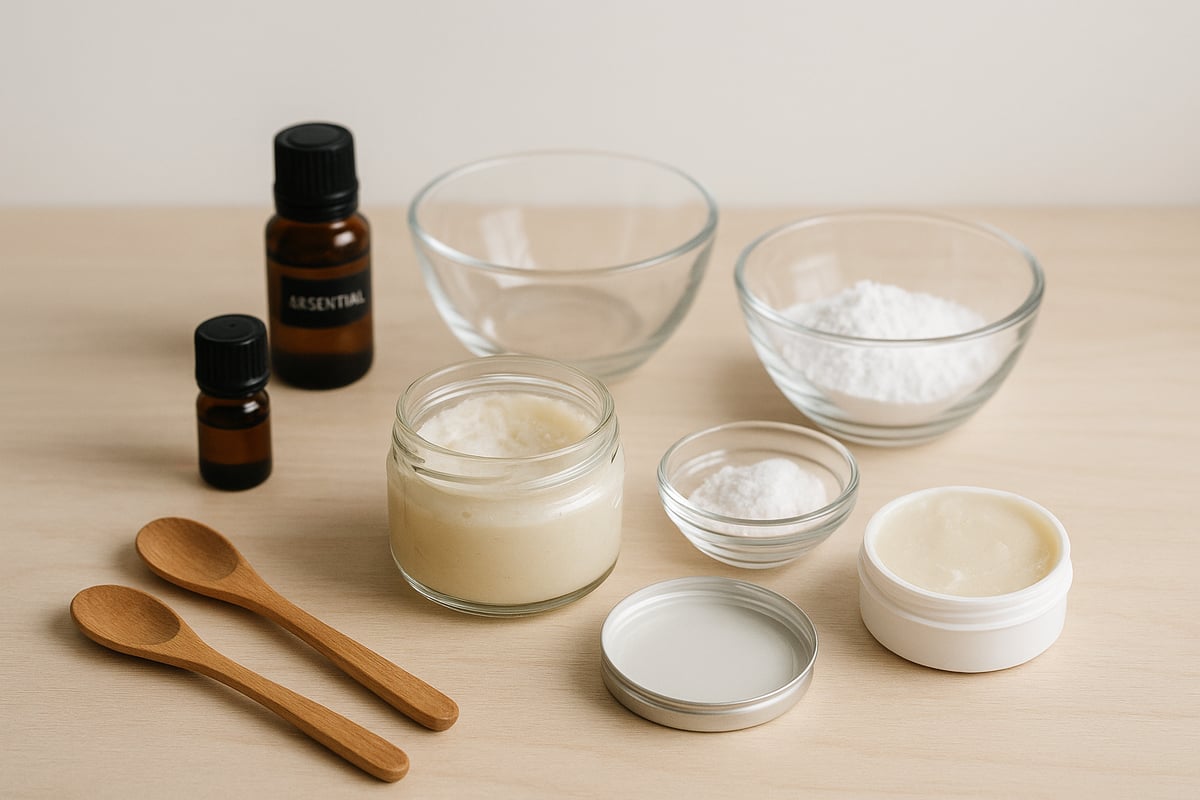
The basic ingredients for a healthy formula
To make an effective natural deodorant, you only need a few simple ingredients. Baking soda neutralizes odors by limiting bacterial growth, a key benefit for deodorizing essential oils. Cornstarch or arrowroot absorbs moisture, keeping underarms fresh.
Plant-based oils, such as coconut or jojoba oil, nourish and protect the skin. Vegetable wax or shea butter is generally added to achieve a smooth and stable texture. Finally, essential oils, chosen according to your needs, personalize the treatment, providing protection and a natural fragrance.
- Baking soda : odor remover
- Cornstarch/arrowroot : moisture absorber
- Coconut/jojoba oil : hydration and softness
- Vegetable wax/shea butter : consistency and hold
- Essential oils : targeted action and fragrance
Always opt for organic and unrefined ingredients for optimal effectiveness.
Step-by-step recipe: essential oil balm deodorant
Here's a simple recipe for creating a deodorant balm using essential oils, inspired by the minimalist formulas popular in 2025. For 50g of product, you will need:
- 20g of shea butter
- 15g of coconut oil
- 10 g of baking soda
- 5 g of arrowroot
- 10 drops of palmarosa essential oil
- 5 drops of true lavender essential oil
Melt the shea butter and coconut oil in a double boiler. Remove from heat and stir in the baking soda and arrowroot powder, then add the essential oils. Mix thoroughly and pour into a clean jar. Let cool before using.
For those who prefer a ready-to-use solution, discover the Classik Natural Balm Deodorant , which perfectly illustrates the effectiveness of deodorant essential oils with a healthy and tested formula.
This balm can be stored for two to three months away from heat. Apply a small amount under each clean armpit.
Alternative recipe: solid deodorant or natural stick
If you prefer the stick format, simply modify the recipe slightly to create a solid deodorant made with essential oils. Use 10g of candelilla wax or 15g of cocoa butter instead of shea butter for a firmer texture.
Melt the wax and vegetable oils together. Remove from heat and add the powders, then the essential oils. Pour into a stick mold or silicone mold, let cool, then unmold.
This format is convenient to carry and easy to apply. It offers the same effectiveness and can be customized to your preferred fragrance or texture. Remember to thoroughly clean your tools to ensure perfect hygiene.
Adapt the recipe to your skin type or needs
One of the great advantages of using essential oils in deodorant is the ability to adjust the recipe to suit your skin. For sensitive skin, reduce the amount of baking soda or even replace it with white clay. In this case, opt for lavender or Roman chamomile, which are gentle and soothing.
For very active people or those prone to heavy sweating, slightly increase the dose of palmarosa or add a drop of clary sage. If you are pregnant, breastfeeding, or making a deodorant for children, create a version without essential oils, focusing on shea butter and arrowroot.
Every skin is unique; simply experiment to find the combination that suits you best. Don't hesitate to adjust the dosages and test different synergies.
Usage and application instructions
To fully enjoy the benefits of essential oils in this deodorant, apply a small amount of product to clean, dry skin. A light circular massage is all it takes to allow the product to penetrate without leaving a greasy residue.
It is recommended to reapply after strenuous activity or in hot weather. Avoid applying immediately after shaving or waxing, as the skin may be more sensitive. Use gentle movements to avoid irritating the skin.
Tip: Always keep a mini pot in your bag for touch-ups if needed. Regular use promotes better results over time.
Storage, hygiene and shelf life of homemade deodorant
A homemade deodorant made with essential oils can generally be stored for 2 to 3 months at room temperature, provided a few simple rules are followed. Use clean, airtight containers that have been sterilized before each batch.
Store your preparation away from heat, humidity, and light. If an unusual odor or change in texture occurs, it's best to discard the product. Remember to label your jars with the date they were made.
For impeccable hygiene, scoop the product with a clean spatula or with thoroughly washed hands. This limits contamination and prolongs the life of your natural deodorant.
Tips for personalizing your natural deodorant
With essential oils for deodorant, personalizing your skincare routine becomes child's play. Add a few drops of rose geranium essential oil for a floral note, or peppermint for an intense feeling of freshness.
You can also incorporate soothing ingredients like aloe vera or bisabolol, perfect for sensitive skin. For a touch of color, mix a little pink clay or hibiscus powder into your preparation.
Unleash your creativity by varying the combinations of essential oils and adapting the texture to your preferences. Your deodorant thus becomes a unique, personalized, effective, and natural product.
Effectiveness, safety and tolerance: what studies and users say
Choosing essential oils as a deodorant means opting for proven effectiveness, safety, and excellent skin tolerance. But what do scientific studies and everyday users really say? Let's explore a clear summary together to help you make an informed and confident choice.
Clinical results and studies on the effectiveness of essential oils
Recent studies confirm the effectiveness of essential oils in deodorant to neutralize odor-causing bacteria. For example, tea tree and palmarosa are frequently cited for their powerful antibacterial properties. A 2022 study shows that applying a natural deodorant based on these oils significantly reduces bacterial growth under the armpits.
Satisfaction rates reach over 85% among users who switch to essential oil deodorants, according to organic consumer surveys. The comparison with conventional deodorants is clear: natural formulas equal, or even surpass, the expected daily effectiveness.
For further information, you can consult the Antibacterial Properties of Tea Tree Essential Oil , commonly used in natural formulas.
Managing odor and perspiration on a daily basis
Unlike conventional antiperspirants, deodorant essential oils do not clog pores and respect the natural perspiration process. Their role is to effectively neutralize odors without blocking perspiration, allowing the skin to breathe.
Numerous testimonials report effectiveness lasting up to 48 hours, even during strenuous physical activity. Users appreciate the feeling of freshness and the absence of sticky residue. Deodorant essential oils thus offer a healthy and pleasant way to manage odor on a daily basis.
Skin tolerance and possible reactions
The skin tolerance of essential oils in deodorant is generally excellent. Statistics show that less than 5% of users report side effects, such as redness or tingling. These rare cases are often related to overdose or individual sensitivity.
To minimize any risk, it is always recommended to perform a skin test before first use. Diluting the product in a neutral base and choosing gentle oils such as lavender or chamomile promotes excellent tolerance for most skin types.
Long-term results and skin adaptation
Switching to essential oil deodorants may involve a period of detoxification. For a few days to a few weeks, the skin gradually eliminates the residue from conventional deodorants. It's common to notice an improvement in the texture of the skin under the arms, with a reduction in irritation and ingrown hairs.
In the long term, regular use of deodorant essential oils helps strengthen the balance of the skin microbiome. Users report a lasting feeling of comfort and visibly soothed skin.
Customer feedback and reviews
Consumer reviews of essential oils for deodorant are overwhelmingly positive. On specialized forums and natural cosmetics websites, numerous testimonials mention an easy transition, noticeable effectiveness, and a renewed pleasure in using them.
Some recommend customizing the blends according to the season or activity, while others share their tips for optimizing application. Overall, satisfaction increases after a few weeks of adjustment, and many would never go back to conventional deodorants.
Precautions, contraindications and usage tips for essential oils in deodorant
Using essential oils as a deodorant requires taking certain precautions, as their natural potency demands that you treat your skin with care. To fully benefit from their properties, it's essential to know the correct application techniques and remain vigilant, especially during your first use. Adopting a safe routine also means choosing peace of mind every day.
General precautions for using essential oils
Essential oils used in deodorants are highly concentrated, so it's essential to adhere to the maximum recommended dosage, which is between 1 and 3% of the finished product. Before applying any product, perform a patch test on the inside of your elbow, especially if you have sensitive skin.
For pregnant or breastfeeding women, or for children, the use of essential oils as deodorants should be done with the advice of a professional, as some molecules are contraindicated. Always keep your oils out of reach of children and away from light.
To better understand their benefits and limitations, you can consult Essential Oils: Renaissance of Ingredients , a scientific resource on their uses in natural cosmetics.
Essential oils to avoid or use with caution
Not all essential oils used in deodorants are suitable for topical application. Citrus oils, such as lemon or sweet orange, are photosensitizing. It's best to avoid them before sun exposure. Cinnamon and clove essential oils are too harsh for the underarms and can cause burns or allergic reactions.
Here is a summary table:
| Oils to avoid | For what ? |
|---|---|
| Citrus fruits (lemon, etc.) | Photosensitizing |
| Cinnamon, cloves | Highly irritating, allergenic |
If in doubt, always opt for gentle and well-tolerated deodorant essential oils.
Tips for safe everyday use
Never apply pure deodorant essential oils directly to the skin. It is essential to dilute them in a neutral base such as a vegetable oil or balm. Always follow the dosages indicated in the recipes and apply after showering, on clean, dry skin.
Adjust the frequency according to the season and your activity level. In case of heavy perspiration, it's better to reapply rather than overdo it. For those who wish to discover ready-to-use alternatives, the Natural Deodorant Collection offers tested and safe formulas.
What should I do in case of a skin reaction?
If you experience redness, itching, or a burning sensation after applying your deodorant essential oil, stop using it immediately. Rinse thoroughly with lukewarm water and apply a gentle vegetable oil, such as calendula or sweet almond oil.
If a reaction persists, consult a healthcare professional. For ultra-sensitive skin, there are deodorant recipes without essential oils. Always perform a patch test before trying any new formula for a worry-free and personalized experience.
Incorporate natural deodorant with essential oils into your 2025 wellness routine
Switching to natural deodorant is more than just a change of product; it's a gesture for yourself and for the planet. Incorporating essential oils into your deodorant routine means choosing gentleness, effectiveness, and transparency every day. Let's discover together how to take this step towards natural products easily and enjoyably.
Choosing between DIY and ready-made products
Are you hesitating between making your own deodorant with essential oils or choosing a commercially available natural product? Here's a comparison chart to guide you:
| DIY (Homemade) | Ready to use |
|---|---|
| Custom recipes, total control over ingredients | Practicality, tested effectiveness, dermatological safety |
| Reduced cost in the long term | Time-saving, stable and long-lasting formula |
| Customization of fragrances and textures | Organic labels, customer reviews, ease of use |
The choice depends on your desire to experiment, your lifestyle, and the level of personalization you're looking for. The key is to choose a natural deodorant with essential oils that suits your skin and aligns with your values.
Adopt a minimalist and efficient approach with basic.
For those seeking a simple, effective, and eco-friendly routine, the Swiss brand basic. offers minimalist and innovative solutions. The formulas are concise, vegan, and aluminum-free. Their zero-waste commitment is reflected in recyclable packaging and convenient refills.

Their KIIMA applicator, the KIIMA refillable deodorant applicator , is a perfect example of an accessory designed to seamlessly integrate essential oils into your daily routine. It offers a clean, hygienic application without single-use plastic. Effectiveness is guaranteed, lasting up to 48 hours, even on sensitive skin.
Adopting basic. means taking care of yourself and the planet, while enjoying the power of deodorant essential oils.
Tips for a successful transition to natural living
Changing deodorants sometimes requires a short adjustment period. Skin, used to traditional antiperspirants, readjusts to its natural balance. Here are a few tips for a smooth transition:
- Opt for a gentle routine in the first few days.
- Use a superfatted or neutral soap to wash your armpits.
- Wear clothes made of natural, breathable fibers.
- Accept a possible “detox” phase before fully enjoying the benefits of deodorant essential oils.
With a little patience, your body will get used to and appreciate this return to the essentials.
Integrating natural deodorant into a holistic wellness approach
Using essential oils as a deodorant is also choosing a healthier lifestyle. Consider:
- Eat a balanced diet, limit ultra-processed foods.
- Drink enough water every day.
- Engage in regular physical activity.
- Managing stress through relaxation or meditation.
These small steps enhance the effectiveness of your natural deodorant and help you feel good in your skin, every day.
Trends and innovations to watch in 2025
The world of deodorant essential oils is constantly evolving. In 2025, expect to discover:
- New natural active ingredients to target perspiration.
- Zero-waste packaging that is even more creative and practical.
- The rise of committed brands, transparent about the composition and origin of their ingredients.
By staying informed about these innovations, you can always enjoy the best of natural care, in line with your values.
After everything we've just discovered together about the benefits of essential oils and the importance of respecting our skin, it's only natural to want to take action and choose what's best for you. At basic., we share this desire for effective simplicity and respect – for ourselves and for the planet. If you're looking to try a truly healthy, vegan, aluminum-free, minimalist deodorant that's suitable for all skin types, now's the perfect time to make the switch. Many of us have already made the transition, will you join us?
Try it now