


Complete Face Wash Guide: Tips and Tricks 2026
Discover our 2026 face wash guide to choose and use the ideal facial cleanser: expert tips, trendy ingredients, and advice for radiant skin.

By 2026, adopting a suitable face wash routine has become essential for preserving the radiance and health of our skin in the face of an increasingly demanding environment. New research and beauty trends reveal the importance of effective cleansing tailored to each skin type.
In this comprehensive guide, we walk you through each step of choosing, applying, and optimizing your face wash. You'll discover the best ingredients, pitfalls to avoid, innovative tips, and expert recommendations for a personalized routine.
Ready to transform your routine and get radiant skin? Follow us to learn all about face washes in 2026!
Why Face Washes Are Essential in 2026
Taking care of your skin has never been more essential than in 2026. Faced with daily challenges and new external aggressors, a face wash has become the first essential step in any beauty routine. But why has this step become so crucial today? Let's explore together the reasons why a face wash is an indispensable ally for healthy, radiant, and protected skin.
The evolution of skin needs in the face of new environmental aggressions
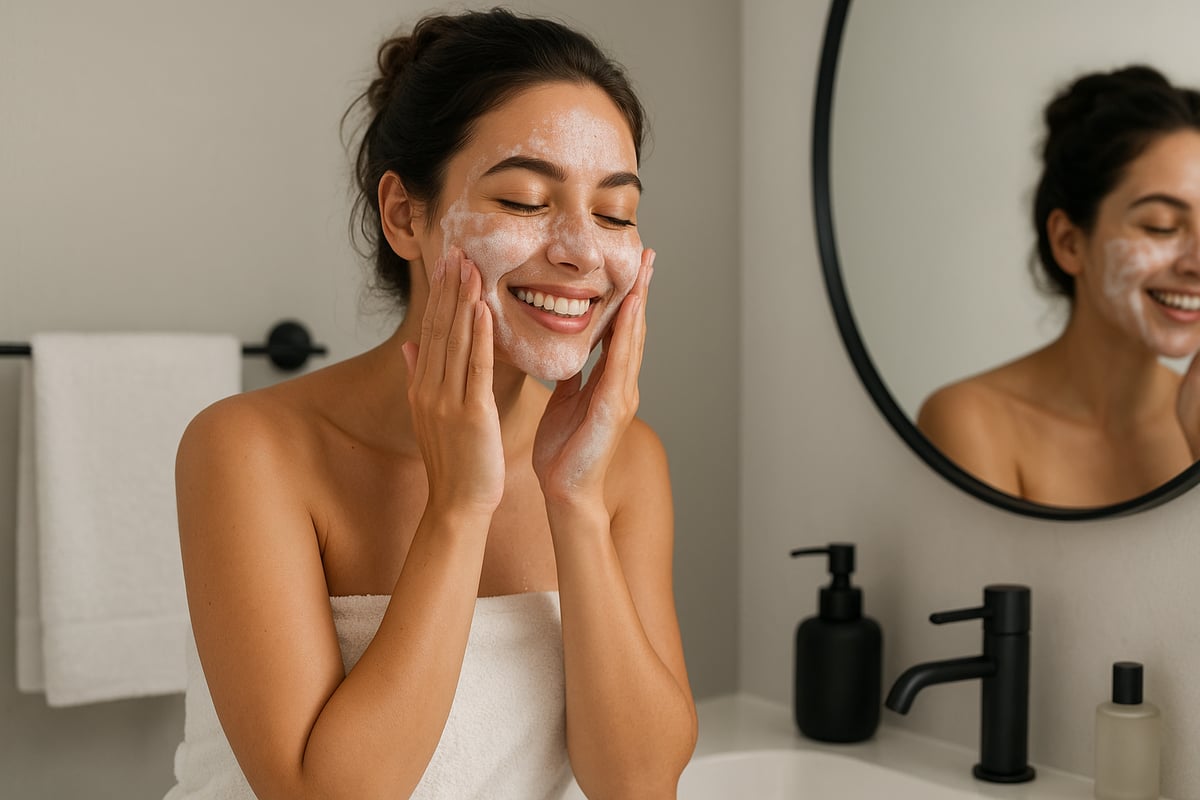
By 2026, our skin will face unprecedented challenges. Increased urban pollution exposes our epidermis to invisible micro-particles that accumulate day after day. As a result, the hydrolipidic film weakens, leading to oxidation and sensitivity.
Climate change is exacerbating this phenomenon. Extreme temperatures, fluctuating humidity, and heat waves put skin under considerable strain, even for those previously less affected. Dermatologists are observing a significant increase in allergies and skin sensitivities. According to a 2025 IFOP survey, 65% of French people say their skin is more reactive than it was five years ago.
Faced with these upheavals, the right face wash becomes a daily shield. Innovations in skincare, such as bio-adaptive or microbiome-friendly formulas, are at the heart of 2026 beauty trends , making the choice of face wash more strategic than ever.
The proven benefits of regular and appropriate cleaning
Incorporating a face wash into your routine provides your skin with active protection against blemishes. Gentle cleansing, morning and night, prevents acne breakouts and other skin problems linked to the buildup of impurities. It also allows the skin to fully absorb the active ingredients of serums and creams applied afterward.
Another major benefit of face washing is its ability to slow down skin aging. By eliminating free radicals and pollution residue, it helps preserve the skin's elasticity and youthful appearance. Effective routines often incorporate a double cleanse: a first step to dissolve makeup and a second to deeply purify.
Consistency is key. A well-chosen face wash, tailored to your skin type, optimizes every step of your skincare routine and maximizes visible results. It's this simple ritual that, day after day, makes all the difference to your complexion's radiance.
Common mistakes and their consequences on skin health
However, it's easy to make mistakes that compromise the effectiveness of a face wash. Many people believe that intensive cleansing is synonymous with cleanliness, whereas over-cleansing weakens the skin barrier and causes tightness or redness. Using overly harsh products exacerbates this imbalance, especially if makeup is not removed beforehand.
Testimonials show that simple adjustments to your face wash routine can transform the appearance of your skin. Choosing a gentle formula, respecting the appropriate frequency, and listening to your skin's signals are essential to avoid problems.
The statistics speak for themselves: according to the AAD, one in three women uses a facial cleanser that is too harsh. Recognizing these mistakes is already a step towards healthier, more radiant skin thanks to a well-thought-out face wash routine.
How to Choose Your Ideal Face Wash According to Your Skin Type
Finding the perfect face wash is like discovering the key to radiant skin. Yet, faced with the multitude of choices, many feel lost. How can you be sure you're making the right choice?
In this section, we'll decode the needs of each skin type, the ingredients to look out for, the labels to understand, and tips to avoid marketing traps. Ready to discover the face wash that's truly right for you?
Understanding the different skin types and their specific needs
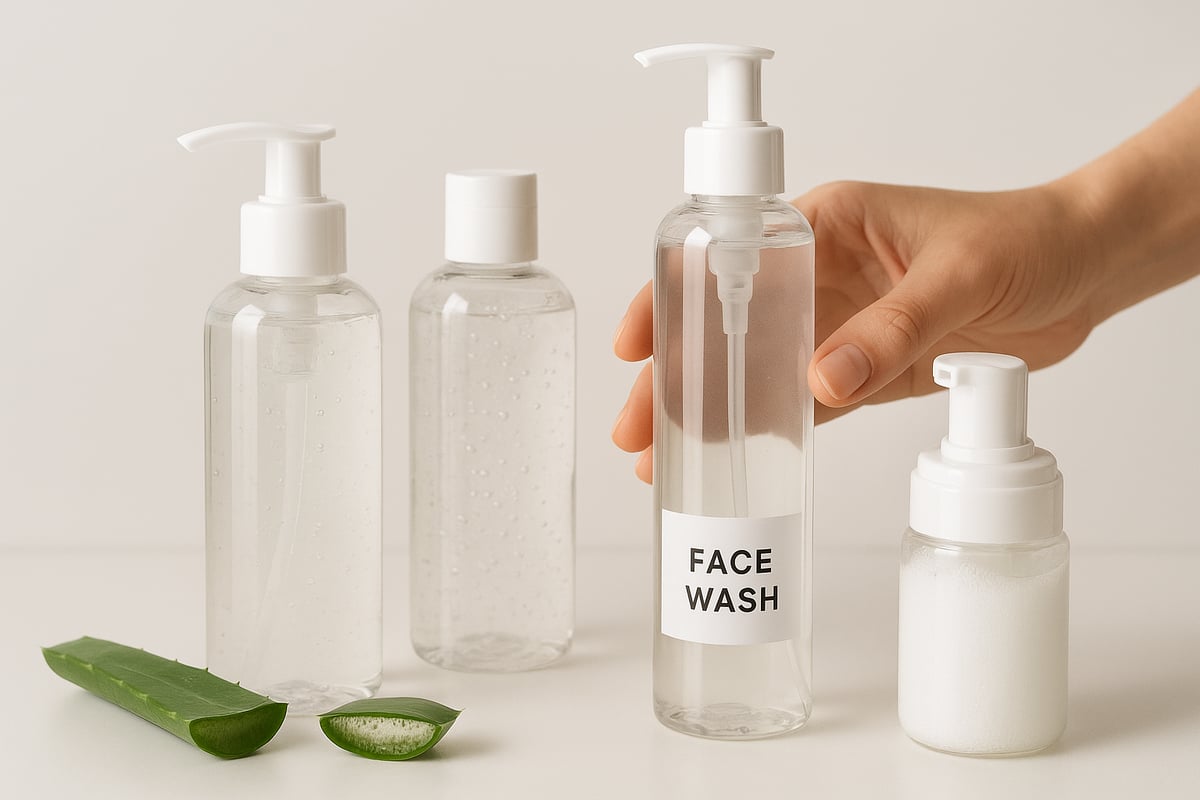
Before choosing a face wash, it is essential to identify your skin type. Normal, dry, oily, combination, sensitive or mature skin, each category has unique needs.
Here is a table to help you identify the distinguishing features:
| Skin type | Key signs | main needs |
|---|---|---|
| Normal | Regular grain, few imperfections | Gentle cleansing, maintaining balance |
| Dried | Tightness, rough patches | Intense hydration, soothing agents |
| Grasse | Shine, enlarged pores | Sebum regulation, gentle purifiers |
| Mixed | Shiny T-zone, dry cheeks | Balanced cleansing, targeted hydration |
| Sensitive | Redness, tingling | Ultra-gentle, allergen-free formulas |
| Mature | Loss of firmness, wrinkles | Anti-aging cleansing, regenerating active ingredients |
Unsure about your skin type? Try this free quiz for a personalized skin diagnosis.
A face wash tailored to your individual needs will respect your skin barrier and prevent imbalances. Taking the time to properly identify your needs is already a step towards radiant skin.
Decoding the key ingredients to favor or avoid
Face wash labels can quickly become a puzzle. Yet, some ingredients make all the difference.
Preferred option:
- Mild cleansing agents (coco-glucoside, decyl glucoside)
- Moisturizers: hyaluronic acid, glycerin, aloe vera
- Natural extracts: vegetable oils, green tea, chamomile
To avoid:
- Aggressive sulfates (SLS, SLES)
- Artificial fragrances and colors
- Microplastics
By 2026, 72% of consumers will prefer natural formulas. But beware, natural doesn't always mean gentle. The key is to read the INCI list, identify allergens, and check the origin of the active ingredients.
A well-formulated face wash optimizes cleansing effectiveness without irritating the skin. Let's not forget that the ingredients are the foundation of successful skincare.
Labels and certifications you should know
In the world of face washes, labels are your allies in sorting through marketing promises. But what do they really mean?
- Vegan : without ingredients of animal origin
- Cruelty-free : not tested on animals
- Organic : at least 95% natural ingredients, organic farming
- Dermatologically tested : tolerance proven by clinical trials
Note: not all labels are created equal. In Europe, the COSMOS label guarantees a high level of requirements, while internationally, Ecocert or USDA are also recognized.
A certified face wash offers reassuring transparency and limits controversial ingredients. Be sure to check the logos on the packaging to choose with confidence.
Expert advice to avoid marketing pitfalls
The face wash market is full of catchy slogans, but how do you separate fact from fiction? Experts recommend always checking the INCI list. The shorter and more understandable the list, the better.
A few tips:
- Beware of vague terms like "purifying" or "natural" without proof of effectiveness.
- Opt for products recommended by dermatologists or validated by independent tests.
- Check out reviews from the beauty community, but remain critical
Influencers and professionals often share their routines, so take inspiration from them, but always adapt your face wash to your specific needs. The key is to listen to your skin and adjust your routine over time.
Facial Cleansing Routine: Optimal Steps and Techniques
Taking care of your skin starts with a well-thought-out cleansing routine. By 2026, experts agree on several key steps to optimize the effectiveness of your face wash and reveal radiant skin day after day. Follow our tips to transform this daily gesture into a true beauty ritual.
Preparing the skin before cleansing
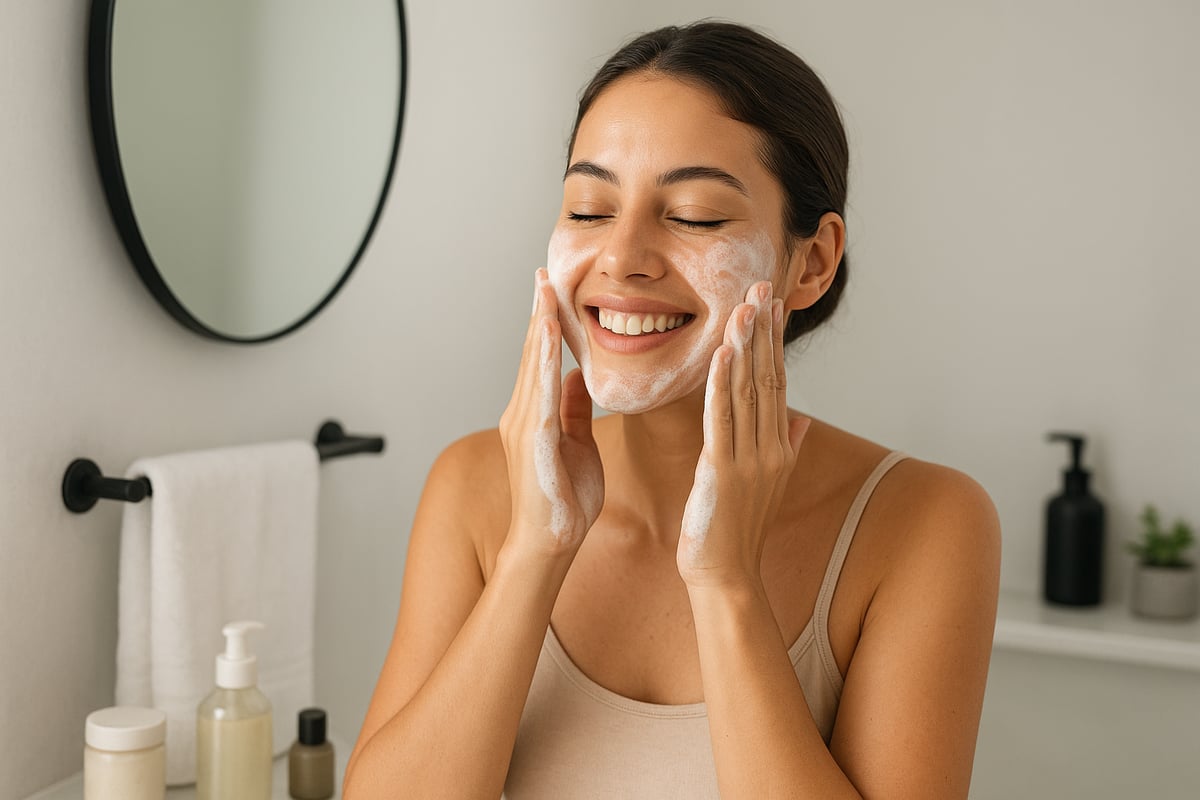
Before using your face wash, it's crucial to prepare your skin carefully. Always start with a complete makeup removal, even if your cleanser promises to remove everything. This prevents makeup residue from clogging pores or limiting the cleanser's effectiveness.
Opt for lukewarm water, which helps to gently open pores without irritating the skin. Water that is too hot can weaken the skin barrier and worsen dryness. Dermatologists recommend adapting your routine depending on the time of day: in the morning, gentle cleansing is sufficient to remove overnight sebum, while in the evening, a double cleanse is advised to remove pollution, sweat, and accumulated impurities.
By preparing your face in this way, you maximize the effectiveness of your face wash while protecting your skin.
The chronological steps of effective cleaning
To get the most out of your face wash, follow these steps in order:
- Wet your face with lukewarm water.
- Take a small amount of face wash and apply it to damp skin.
- Gently massage in circular motions for 30 to 60 seconds.
- Rinse thoroughly with clean water to remove all residue.
- Dry your face by gently patting it with a clean towel.
The ideal frequency is 1 to 2 times a day, depending on your skin type. Over-cleansing can disrupt the hydrolipidic film, while insufficient cleansing can lead to blemishes. To enhance your routine, feel free to discover the secret to perfect skin and incorporate new tips into your daily routine.
Innovative techniques and complementary tools
By 2026, numerous tools will complement the facial wash. Electric cleansing brushes, for example, offer a gentle massage that stimulates microcirculation and optimizes cleansing. Konjac sponges, made from plant fibers, are perfect for sensitive skin thanks to their ultra-soft texture.
High-tech accessories are also available, such as micro-vibration devices, which deeply cleanse impurities without irritating the skin. It is essential to thoroughly clean these tools after each use to prevent bacterial growth.
Some brands offer complete kits combining face washes and innovative accessories, tailored to each skin type. Explore these new products to personalize your routine and make it even more effective.
Adapting one's routine to specific situations
Your cleansing routine should be adjusted according to the circumstances. After exercise, it's advisable to immediately use a face wash to remove sweat and prevent breakouts. When traveling or during periods of high pollution, opt for gentle, moisturizing formulas to protect your skin's barrier.
Acne-prone or very sensitive skin should opt for a specific face wash, free of fragrance and alcohol, to avoid irritation. Also, adjust the frequency of cleansing according to your activity level and environment, as each situation presents different skin needs.
Paying attention to the signals on your face helps to prevent imbalances and maintain clear skin in all circumstances.
Mistakes to avoid during cleaning
Certain mistakes can compromise the benefits of your face wash. Using water that is too hot weakens the skin, while rubbing too hard creates micro-lesions. Insufficient rinsing leaves residue that clogs pores and promotes blemishes.
According to the AAD, 40% of users forget to rinse their face wash properly, which can lead to irritation or a feeling of tightness. Remember to change your towel regularly to prevent bacterial growth and adjust the amount of product to your needs.
By correcting these simple mistakes, you preserve the health of your skin and fully enjoy the benefits of your daily face wash.
Star Ingredients and Innovations in Face Washes for 2026
In 2026, choosing a face wash is no longer just about effectiveness. Consumers are looking for natural, safe, and innovative formulas, while remaining mindful of environmental impact. Let's explore together what makes the difference in new face washes and how to identify the ingredients that truly enhance our skin.
Natural ingredients are leading the trends
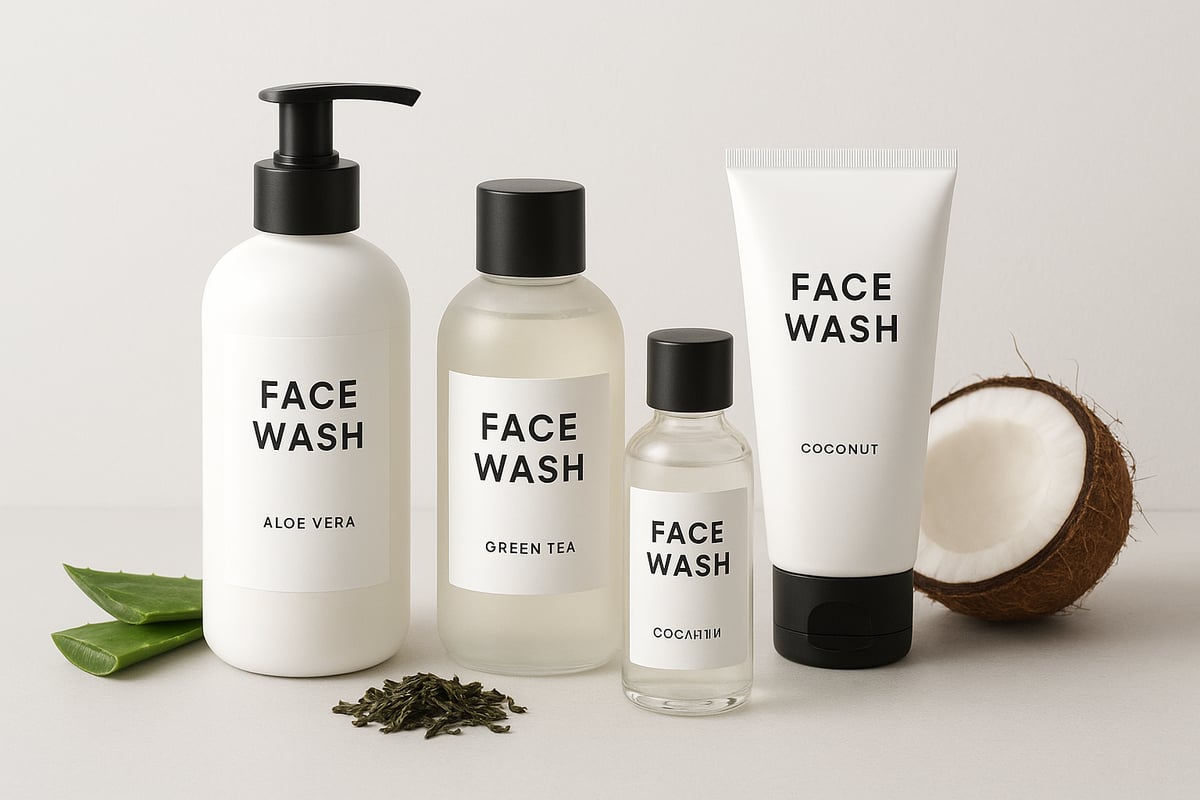
In 2026, natural ingredients are at the forefront of face wash trends. Ingredients like aloe vera, coconut oil, sweet almond oil, and green tea extracts are popular for their soothing and antioxidant benefits. Consumers appreciate their gentleness and effectiveness in cleansing the skin without irritating it.
Furthermore, plant-based oils play a key role, providing nourishment and comfort, especially for dry or sensitive skin. To learn more, discover how body and skincare oils can enrich your daily face wash routine.
The majority of formulas emphasize transparency and short ingredient lists, thus reassuring demanding users.
Technological and eco-responsible innovations
Innovation doesn't stop at the ingredients. Face washes in 2026 will rely on concentrated formulas that can be diluted at home, thus reducing disposable packaging. We're also seeing the emergence of solid gels, refills, and 100% recycled or biodegradable packaging.
The elimination of microplastics and sulfates has become standard practice, as has the use of plant-based surfactants. These advancements allow for a combination of effectiveness, skin-friendliness, and environmental responsibility. Pioneering brands are inspiring the transition to more responsible beauty, which values the planet as much as our skin.
Focus on dermatological tolerance and safety
The tolerability of face washes is now being closely scrutinized. Recent dermatological tests, such as patch tests, guarantee optimal safety even for hypersensitive skin. Vegan products and those free of controversial ingredients are widely preferred.
Hypoallergenic formulas, free of artificial fragrances and dyes, are essential to minimize the risk of irritation. Labels such as "dermatologically tested" or "cruelty-free" provide reassurance and guide your choices. This way, every face wash can be suitable for everyone, regardless of skin type or lifestyle.
Ingredients to absolutely avoid in 2026
Certain ingredients are now banned in face washes. Parabens, mineral oils, paraffins, and common allergens are rejected by the vast majority of consumers. According to a Mintel 2025 study, 85% of users refuse parabens.
Here is a summary table of ingredients to watch out for:
| Avoid | Main reasons |
|---|---|
| Parabens | Endocrine disruptors |
| Mineral oils | Occlusives, derived from petroleum |
| Microplastics | Water pollution |
| Synthetic perfumes | Risk of allergies |
Choosing a face wash without these components means offering your skin safe and respectful care, while also participating in a healthier approach for the planet.
Expert Tips and Tricks for a Perfect Daily Face Wash
Finding the best face wash routine is like creating a custom-made setting for your skin. Experts agree: the right cleansing makes all the difference, regardless of age or skin type. Let's explore essential tips to enhance your beauty ritual while avoiding the most common pitfalls.
Dermatologists' recommendations for each profile
Every skin type has its own story, and every face wash should be tailored to it. For teenagers, dermatologists recommend gentle formulas that control excess sebum without irritating the skin. Adults often prefer hydrating and antioxidant ingredients, while mature skin benefits from firming ingredients.
Problem skin requires non-comedogenic formulas that are dermatologically tested. In winter, opt for a more nourishing face wash, and in summer, choose a lighter one. Want to personalize your choice even further? This facial cleanser comparison will help you find the perfect product for your skin type.
Tips to optimize the effectiveness of your face wash
To unlock the full potential of your face wash, a few tips make all the difference. Double cleansing, for example, combines a cleansing oil followed by a gentle cleanser, perfect for removing pollution and makeup deep down. Pair your face wash with a suitable lotion to rebalance your skin's pH.
Always use a clean towel, especially if your skin is prone to blemishes. Remember to gently massage your face for 30 to 60 seconds: this stimulates microcirculation and boosts radiance. For eco-friendly tips, discover how to adopt a sustainable beauty routine that enhances your face wash while respecting the planet.
Adapting your routine to changes in your skin
Skin is constantly evolving, and your face wash needs to keep pace. During hormonal changes, pregnancy, or periods of stress, skin's needs change. It's essential to listen to your skin and adjust the frequency or formula of your face wash accordingly.
If your skin is dry, reduce how often you cleanse or choose a gentler cleanser. After exercise or during periods of high pollution, opt for a quick but effective cleanse. The key is to observe your skin's reaction and adjust your routine accordingly.
Answers to frequently asked user questions
Many people wonder if they should change their face wash regularly. Experts recommend sticking with a product that works for you, unless your skin changes or reacts badly. Another common question concerns using it morning and night: most skin types tolerate this routine well, provided you choose a suitable face wash.
Signs of intolerance include tightness, redness, or tingling. In these cases, it's best to switch formulas or reduce the frequency of cleansing. In beauty salons, 60% of questions concern the choice of facial cleanser, demonstrating that this step still raises many questions.
Myths and misconceptions to debunk
Some people think that face washes replace makeup remover, but that's not the case: removing makeup remains a key step, especially for stubborn makeup. Another misconception is that a natural product isn't always gentler: some plant extracts can irritate sensitive skin.
Finally, believing that a foaming face wash cleans better is misleading, as foam is not a guarantee of effectiveness. Remember, it's better to choose a gentle product, rinse thoroughly, and suited to your specific needs to maintain healthy skin.
Face Wash and Eco-Responsible Commitment: Towards Sustainable Beauty
Adopting a more environmentally friendly beauty routine has become a priority for many of us. Face wash, a staple in our bathrooms, is now at the heart of sustainability and environmental issues.
The environmental impact of conventional facial cleansers
Traditional facial cleansers pose significant environmental challenges. Every year, over a billion face wash bottles are thrown away in Europe, generating an impressive amount of plastic waste (source: ADEME 2025). Added to this are microplastics, often present in some formulas, which cause lasting pollution of the oceans and disrupt marine ecosystems.
The growing global demand for face washes, as evidenced by the facial cleanser market , underscores the urgent need to adopt greener solutions. We must rethink our consumption habits to protect our planet.
Ecological and responsible alternatives
Fortunately, many alternatives are emerging to limit the environmental impact of face washes. Among them are:
- Solid cleaners, without plastic packaging
- Eco-designed refills and reusable bottles
- Concentrated formulas to dilute at home
- Biodegradable or compostable packaging
These innovations reduce waste and encourage more responsible consumption. Choosing an eco-friendly face wash means supporting a more planet-friendly industry while taking care of your skin.
The role of consumers in the green transition
We all have a role to play in making our face wash routine more sustainable. By choosing organic or vegan products, buying local or in bulk, each of us can reduce our environmental footprint. Adopting simple habits, like reusing bottles or avoiding water waste, multiplies the positive impact on a large scale.
Changing our habits also means encouraging brands to innovate and offer increasingly responsible alternatives. Together, we can shift the market towards greener beauty.
Criteria for recognizing a truly sustainable face wash
To choose the right face wash, certain criteria are essential:
| Criteria | To be preferred |
|---|---|
| Ingredients | Natural, traceable, and free of microplastics |
| Packaging | Refillable, recyclable, compostable |
| Labels and certifications | Organic, vegan, cruelty-free, CSR |
| Brand transparency | Clear INCI list, origin of ingredients |
By 2026, 77% of shoppers will demand full traceability of their face wash (Mintel study). This highlights the importance of clear information and a genuine commitment from brands.
The challenges ahead for a more responsible beauty routine
The future of sustainable face washing lies in innovation: new materials, waterless formulas, and zero-waste packaging. Legislation is also evolving to regulate eco-design and encourage the industry to reduce its impact. Pilot projects, such as bulk dispensers and bio-based packaging, are paving the way for truly sustainable beauty for everyone.
Together, let's continue to support these initiatives and make our face wash routine a positive gesture for the planet.
After reading all these tips and discovering how to choose a face wash that's truly suited to your skin while respecting the planet, you might be wondering where to actually start. I understand, it's not always easy to make the right choice among so many options! At basic., we share the same values of simplicity, naturalness, and respect for your skin. If you want to try a minimalist, effective, and gentle skincare product, why not take the plunge today and try it now? Let's move forward together towards a healthier and more responsible beauty routine!